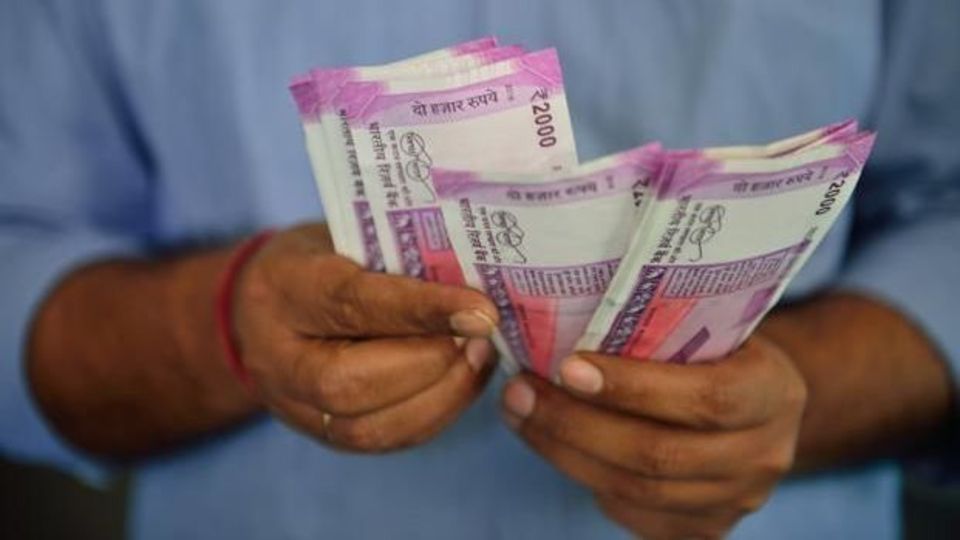
Rupee quarterly gain is the rupee getting stronger over a full three-month period. India’s currency is now heading for its first rupee quarterly gain in five quarters. That matters because a stronger rupee can make imports cheaper, especially oil, and can calm price pressure at home.
Key takeaways
- The rupee is set for its first quarterly rise after five losing quarters.
- Lower crude oil prices have helped because India imports most of its oil.
- RBI support and steady foreign inflows also gave the currency a lift.
- A firmer rupee can help on fuel costs, inflation, and import bills.
Why is the rupee gaining now?
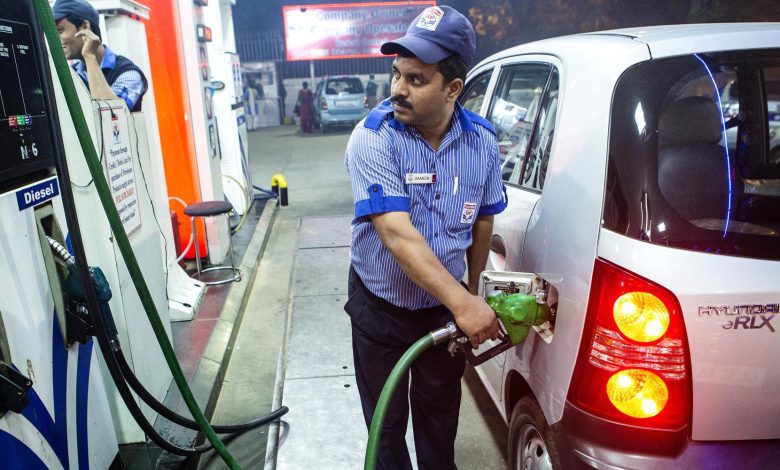
The biggest reason is oil. India buys most of its crude from abroad, so oil prices matter a lot. When crude gets cheaper, India needs fewer dollars to pay for imports, and that can support the rupee.
That is a big deal because oil is one of India’s largest import costs. If the country pays less for every barrel, pressure on the currency often eases. As a result, this rupee quarterly gain looks more solid than a short one-day move.
The other reason is policy support from the Reserve Bank of India, or RBI. The RBI is India’s central bank. A central bank is the country’s main money manager, and it works to keep prices and markets stable.
Markets also watched foreign money flows. When overseas investors buy Indian bonds or stocks, they bring in dollars. Those dollars can help the rupee, too.
How strong has the move been?
The move is not huge, but it matters. The rupee was trading near 85 to 86 against the US dollar in recent sessions. Even a small quarterly rise stands out because the currency had fallen for five straight quarters before this.
Five losing quarters means 15 months of mostly weak moves. So this possible rupee quarterly gain breaks a long streak. In markets, breaking a streak can change mood fast.
Here is a simple look at the trend:
Rupee quarterly trendQ1Q2Q3Q4Q5Q6Gain5 straight weak quarters
The chart is simple on purpose. It shows five weak quarters, then a positive one. In fact, that shift is the main headline investors are tracking.
What role did the RBI play in the rupee quarterly gain?
The RBI does not always let the currency swing wildly. It often steps in to smooth sharp moves. That can mean selling dollars when the rupee falls too fast, or buying dollars when it rises too quickly.
This is called intervention. Intervention means the central bank enters the market to reduce big swings. It does not fix one exact price, but it can slow panic.
Policy signals matter as well. If traders think the RBI wants calmer markets and steady inflation, they may bet less against the rupee. So confidence can improve even without dramatic action.
For readers tracking wider policy shifts, our report on fuel sale curbs for commercial buyers shows how energy decisions can ripple across markets.
Why do lower oil prices matter so much to India?
India imports around 85% of its crude oil needs. That means global oil prices can quickly affect India’s trade bill. A trade bill is the total amount a country pays for imports.
If crude falls by a few dollars per barrel, the savings can add up fast. For a country as large as India, that can mean billions of dollars over time. Then the demand for dollars may cool, which helps the rupee.
Lower oil can also help inflation. Inflation means prices rising over time. If fuel costs ease, transport and factory costs may also cool.
That is why this rupee quarterly gain is not just a market story. It can shape petrol prices, shipping costs, and even food prices later on.
What does this mean for people and businesses?
A stronger rupee is not magic, but it can help. Companies that import fuel, electronics, or machinery may pay a little less if the rupee holds firm. That can protect profits, or stop prices from rising as fast.
Travelers may also notice small benefits. If the rupee strengthens against the dollar, foreign trips can become a bit less expensive. But the change is usually gradual, not dramatic overnight.
Exporters face the other side. A stronger currency can make Indian goods cost more in world markets. So some exporters prefer a weaker rupee because it can make their products look cheaper abroad.
| Factor | What changed | Why it matters |
|---|---|---|
| Oil prices | Moved lower | India needs fewer dollars for imports |
| RBI stance | Supportive | Helps reduce sharp currency swings |
| Quarterly trend | First gain in 5 quarters | Signals a break in a long weak patch |
| Import costs | Could ease | May help inflation and company margins |
Could the rupee quarterly gain last?
It could, but markets change quickly. If oil jumps again, the rupee could lose some support. If the US dollar gets much stronger, that can also pressure many currencies, including India’s.
Foreign investor flows will matter, too. A flow is money moving in or out of a market. If investors keep buying Indian assets, the rupee may stay steadier.
Still, no currency moves in a straight line. Traders will watch oil, RBI action, and global interest rates closely. You can track official RBI updates at the RBI website and broader currency data from BSE India.
For more context on how weather and energy costs can affect India’s economy, see our coverage of the rainfall deficit in West India. It shows how one pressure point can spread into many others.
So, what is the big takeaway?
Here is the plain answer: this rupee quarterly gain signals relief, not victory. The rupee is improving because oil prices cooled and the RBI helped steady the market. If those supports hold, the currency may stay firmer and reduce some pressure on India’s import-heavy economy.
That is why investors care about a move that looks small at first. One better quarter does not solve everything. But after five weak quarters, it tells us the trend may be starting to change.
This also fits a wider pattern in tech and finance coverage, where policy and market signals matter as much as headlines. For example, our stories on NPCI testing AI to catch payment fraud in real time and OpenAI’s Codex-branded hardware tease both show how early signals can shape bigger moves later.
FAQs
What is rupee quarterly gain?
Rupee quarterly gain means the rupee strengthened over a three-month period. It is a simple way to measure whether the currency had a good quarter.
Why do oil prices affect the rupee?
India imports most of its oil. So when oil gets cheaper, India usually needs fewer dollars to pay import bills.
Who benefits from a stronger rupee?
Importers, airlines, and some travelers can benefit. But exporters may prefer a weaker rupee because it can help them sell abroad.