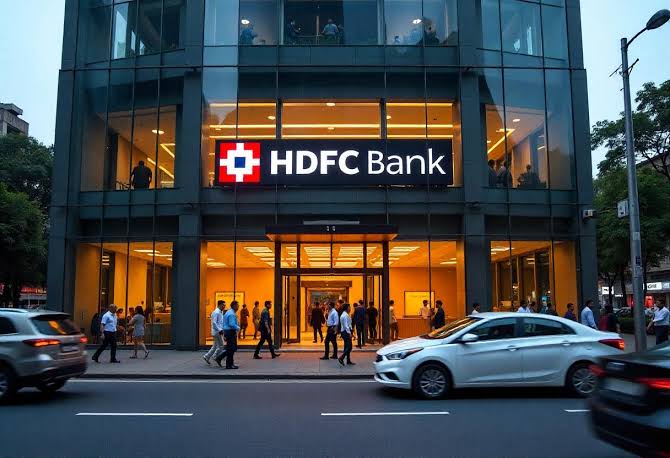
HDFC Bank CFO change is the bank’s switch in its top finance post. HDFC Bank said Puneet Sharma will be its new chief financial officer, or CFO. A CFO is the senior executive who manages money, budgets, and financial planning. The move also confirms Sharma’s exit from Axis Bank.
Key takeaways
- HDFC Bank has named Puneet Sharma as its new CFO.
- The bank said Sharma is moving from Axis Bank.
- The CFO job matters because it shapes funding, costs, and investor trust.
- The change comes at a time when big banks are watching growth, margins, and bad loans closely.
What happened in the HDFC Bank CFO change?
HDFC Bank told exchanges that Puneet Sharma will take over as chief financial officer. Exchange filings are official updates companies send to stock markets. They matter because investors use them to track big management moves.
This HDFC Bank CFO change is important because the finance chief helps steer a bank’s numbers. That includes how it raises money, controls costs, and explains results to investors. In a bank as large as HDFC Bank, that job carries huge weight.
HDFC Bank also confirmed that Sharma is leaving Axis Bank to join. That clears up a key question around the appointment. It shows this is not just an internal shuffle, but a senior hire from another major private bank.
Why does the HDFC Bank CFO change matter so much?
A CFO does more than sign off on spreadsheets. The person helps decide how fast a bank can grow, because growth needs money. The CFO also tracks profit, capital, and risk.
Capital is the money a bank keeps as a safety cushion. It helps the bank absorb losses if loans go bad. Risk means the chance that borrowers may not repay, or that costs may rise faster than expected.
For HDFC Bank, the timing matters. The bank is still watched closely after its large merger with HDFC Ltd. A merger is when two companies combine into one. Big mergers can boost scale, but they also create tough integration work.
That means the HDFC Bank CFO change comes at a sensitive moment. Investors want clean numbers, steady growth, and clear guidance. Guidance is a company’s view of what may happen next in its business.
What should customers and investors watch next?
Most customers won’t feel an instant change at a branch or on the app. Your savings account, card, or loan should work the same. But behind the scenes, the finance team shapes many choices that affect pricing and growth.
Investors, though, will watch a few areas closely. They will look at loan growth, deposit growth, and margins. Margins are the gap between what a bank earns on loans and pays on deposits.
They will also watch asset quality. Asset quality is a simple way to ask whether borrowers are paying on time. If more loans turn bad, profits can get hit.
One reason this HDFC Bank CFO change stands out is scale. HDFC Bank is India’s biggest private sector bank by market value. Small changes at a bank this size can ripple across analysts, fund managers, and rivals.
HDFC Bank scale snapshotMarketleaderLargeinvestor watchTop-levelrole
Here is the simple point readers can quote:
HDFC Bank’s new CFO matters because the finance chief helps decide how the bank funds growth, protects profits, and explains its numbers to the market.
How does this compare with other bank leadership moves?
Big banks often hire leaders from rivals, because experienced finance hands are rare. These moves can bring fresh ideas, but they also raise questions about strategy. People want to know if the new executive will keep the old plan or change course.
That is why the HDFC Bank CFO change will draw attention in the next few quarters. Quarterly results come every three months. They give the first real clues about tone, priorities, and financial discipline.
Indian banking has been in a fast race for deposits. Deposits are the money people and companies keep in banks. Banks need deposits because they use that pool to support lending.
At the same time, technology spending is rising. Banks are investing in apps, fraud tools, and data systems. You can see that trend in stories like NPCI tests AI to catch payment fraud in real time and in the wider AI push covered in Amazon engineers are distilling Claude to build smaller, cheaper versions for internal use.
What numbers give this story context?
HDFC Bank’s sheer size is the first number that matters. It serves millions of customers across India. It also reports results every quarter, so markets judge it four times each year.
One executive move may sound like just one person. But in a bank with thousands of branches and a balance sheet measured in trillions of rupees, that one role matters a lot. A balance sheet is a snapshot of what a company owns, owes, and holds.
Here is a quick summary table of what to track after the HDFC Bank CFO change.
| Area | What it means | Why it matters |
|---|---|---|
| Loan growth | How fast lending rises | Shows demand and expansion |
| Deposit growth | How much customer money comes in | Supports future lending |
| Margins | Earnings gap on loans and deposits | Affects profit |
| Asset quality | Health of the loan book | Shows credit risk |
Investors will also compare HDFC Bank with other large lenders. They may study how rivals handle costs, hiring, and digital growth. For a different kind of financial policy shift, see our report on the Indian government lifting petrol and diesel sale curbs for commercial buyers.
Where did the news come from?
The appointment was disclosed through an official stock exchange filing by HDFC Bank. That makes it a primary source, which means it comes straight from the company. You can also track company filings on the BSE and NSE websites.
Those filings usually give the cleanest first version of management changes. News reports then add background, reactions, and context. That’s what makes this HDFC Bank CFO change more than a name update.
What does the HDFC Bank CFO change mean for the road ahead?
In the short run, it signals continuity with a fresh face. Banks do not like surprises in finance leadership, so the handover will likely be closely managed. That helps keep investor nerves calm.
In the medium term, results will tell the story. If funding costs ease, margins stay firm, and bad loans stay under control, the move will look smooth. If any of those weaken, people will ask harder questions.
So this is the real takeaway. The HDFC Bank CFO change is not branch-level drama for customers. It is a boardroom move that could shape how India’s biggest private bank grows, spends, and reports its money.
FAQs
Who is Puneet Sharma?
Puneet Sharma is the executive HDFC Bank has appointed as its new CFO. The bank also said he is leaving Axis Bank to take the role.
What does a bank CFO do?
A bank CFO leads financial planning, reporting, and cost control. The CFO also helps manage capital, funding, and investor communication.
Why is the HDFC Bank CFO change important?
It matters because the CFO helps shape growth, profit, and financial stability. At a very large bank, that can influence investor trust and future strategy.