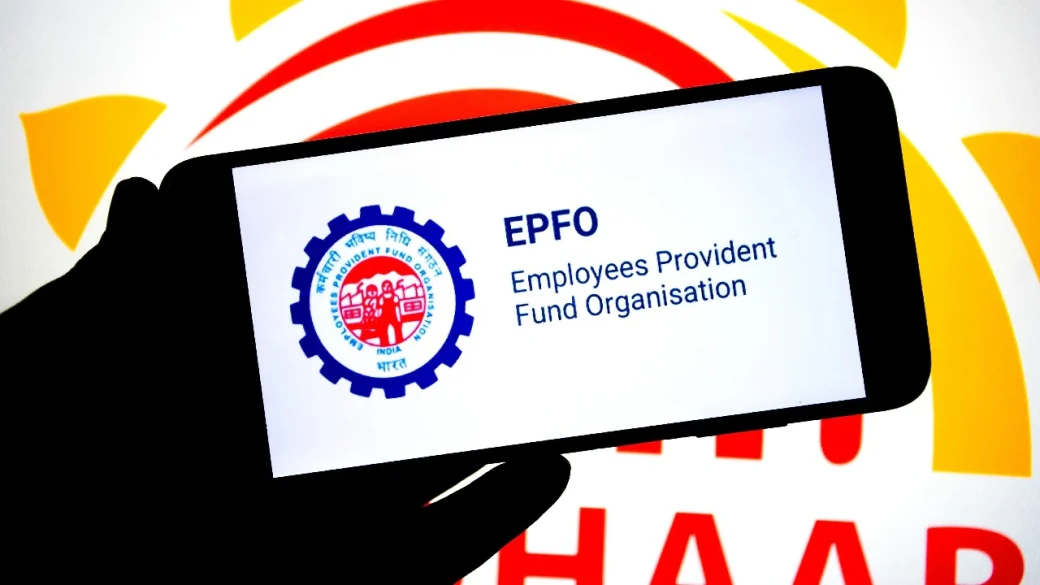
EPFO 3.0 rollout could make it easier to take out PF money, check claims, and fix account problems. EPFO 3.0 rollout is the next upgrade of India’s provident fund system. That means a new digital setup for faster service. It may include UPI withdrawals, ATM-style access, and fewer forms.
Key takeaways
- EPFO 3.0 rollout is expected to upgrade how members access PF money and services.
- Officials have signalled possible UPI withdrawals and ATM-like access for some claims.
- The goal is faster settlements, fewer paperwork steps, and a simpler member experience.
- Full features, limits, and launch timing still depend on EPFO’s final system rollout.
What is EPFO 3.0 rollout and why are people talking about it?
The Employees’ Provident Fund Organisation, or EPFO, manages retirement savings for millions of workers in India. A provident fund is money saved from your salary for later use. Right now, many members still face slow claims, login issues, and form mistakes.
That’s why the EPFO 3.0 rollout matters. It points to a bigger digital rebuild, so members may not need as many office visits. Labour and employment officials have discussed a system that works more like modern banking apps. In simple words, the idea is speed.
EPFO handles a huge base of users. It serves more than 7 crore active members, or over 70 million people. It also manages retirement savings worth tens of lakh crore rupees. So even a small service upgrade can affect a very large number of families.
How could UPI withdrawals work in the EPFO 3.0 rollout?
The most talked-about change in the EPFO 3.0 rollout is UPI withdrawals. UPI is a real-time payment system. It lets people move money using mobile apps like PhonePe, Google Pay, or BHIM.
If this feature goes live, eligible members may be able to withdraw some PF money directly through a UPI-linked process. That could cut waiting time because the money may move faster than older claim routes. But the key word here is may. EPFO has discussed the feature, but detailed public rules are still limited.
Today, PF claims often move through a claim form, employer records, bank checks, and account matching. That chain can slow things down if even one detail is wrong. With a stronger digital rail, or transfer system, EPFO may reduce these delays.
There will likely be checks as well, because PF money is retirement money. For example, EPFO may limit instant withdrawals to approved cases or fixed amounts. It may also require Aadhaar, bank, and UAN details to match. UAN means Universal Account Number. It is your EPFO ID.
Could ATM access really happen?
Another idea linked to the EPFO 3.0 rollout is ATM access. This does not mean people can freely empty retirement savings like a normal wallet. It likely means a controlled way to access approved funds through a card or banking-style interface.
Think of it like this. Today, your PF sits in a locked savings box with rules. ATM-style access could make that box easier to open when the rules already allow a withdrawal.
That matters because EPFO already permits withdrawals for some needs. These include illness, home purchase, education, and unemployment under set conditions. If the new system connects these approved claims to quicker payouts, members may get help when they need it most.
What problems is EPFO trying to fix?
The answer is simple: delay, confusion, and too much friction. Friction means small hurdles that slow you down. Members often complain about KYC mismatches, rejected claims, and trouble updating personal details.
KYC means Know Your Customer. It is the identity check used by banks and financial platforms. If your name in EPFO does not match your bank or Aadhaar record, your claim can get stuck.
The EPFO 3.0 rollout aims to reduce such pain points. A cleaner digital system could link records better and catch errors earlier. That would help both workers and employers, since payroll teams also spend time fixing PF issues.
There is also a trust issue. People don’t like waiting weeks for money that already belongs to them. So a faster claim system could improve confidence in the PF system itself.
What numbers help explain the scale?
EPFO’s size is massive. It covers more than 70 million active members. In the 2024-25 financial year, EPFO had also processed crores of claims, showing just how often members need access to their funds.
Interest on EPF deposits for 2023-24 was set at 8.25%. That is the yearly return paid on PF balances. So for a worker with ₹1,00,000 in EPF, that rate means about ₹8,250 in interest for one year, before any new deposit.
Digital payments in India are already huge, which is why UPI matters here. UPI handled billions of transactions each month, according to NPCI, the payments body. When a system works at that scale, people expect similar ease elsewhere too.
Key numbers behind EPFO 3.0 rollout70m+members8.25%interest14bn+UPI/mo
| Topic | What we know | Why it matters |
|---|---|---|
| UPI withdrawals | Under discussion as part of the upgrade | Could make claim payouts quicker |
| ATM-style access | Likely controlled, not unlimited cash access | May help members get approved funds faster |
| Digital rebuild | Aims to reduce errors and paperwork | Could cut claim rejection and delays |
What should EPFO members do right now?
First, don’t assume every feature is live today. The EPFO 3.0 rollout is still being watched closely, but full public rollout details remain limited. So check official updates before making plans around instant withdrawals.
Second, clean up your records now. Make sure your UAN, Aadhaar, PAN, and bank details match. PAN is your tax ID number. Small mismatches can block claims.
Third, learn the current rules for partial withdrawal. EPFO already allows some withdrawals before retirement in special cases. If you want to understand broader money and policy shifts, you can also read our report on foreign investors selling ₹31,823 crore in June and our coverage of Aarogya Setu 2.0 and India’s digital services push.
Why does this matter beyond one PF account?
This is bigger than a tech upgrade. The EPFO 3.0 rollout shows how citizens now expect public services to work like good apps. People want fewer queues, faster updates, and clear status checks.
It also fits a wider pattern. India has built strong digital rails, or core systems, for payments and identity. UPI changed how people send money. Aadhaar changed how people prove identity. EPFO now seems set to borrow from that playbook.
That could be especially useful for younger workers. Many switch jobs often, work in new cities, and expect mobile-first services. You can see the same shift in other sectors too, from our story on the disappearing ₹15,000 smartphone segment to changes in India’s EV policy talks with Tesla.
For now, the smartest view is this: the EPFO 3.0 rollout could make PF access faster and simpler, but the fine print will matter. A quotable answer is this:
EPFO 3.0 rollout appears designed to turn PF access from a slow paperwork process into a faster digital service, though withdrawal limits and safeguards will decide how useful it becomes in real life.
Members should watch for official circulars, app updates, and claim rule changes from EPFO and the labour ministry. You can track primary updates at EPFO’s official website and broader payment system details from NPCI’s UPI overview.
FAQs
What is EPFO 3.0 rollout?
It is the expected next upgrade of EPFO’s digital system. The aim is faster, simpler PF services.
How will UPI withdrawals help members?
If launched, they could speed up eligible PF payouts. Members may get approved money with fewer steps.
Why isn’t everyone using these features yet?
Because the full EPFO 3.0 rollout details are still emerging. Some features have been discussed, but final rules and timing are still key.