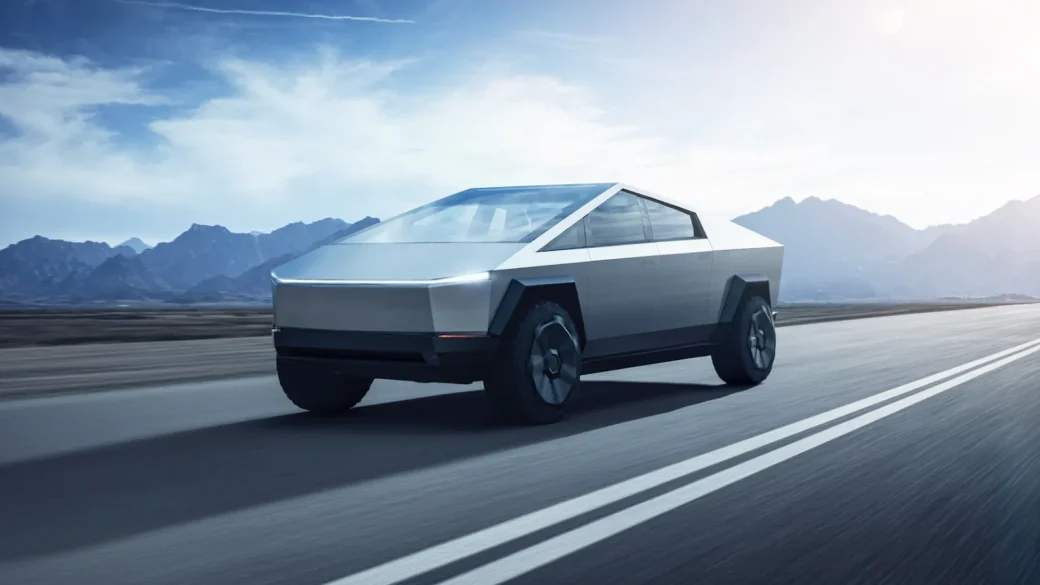
Tesla EV policy push is Tesla asking Delhi for support under the city’s electric vehicle rules. The company wants incentives, which means money-saving benefits from the government. This matters because Delhi is one of India’s biggest car markets, and Tesla is preparing its India entry.
Key takeaways
- Tesla has approached the Delhi government over benefits under the EV policy.
- Incentives can cut costs for buyers or companies, so they often shape demand.
- Delhi is a key market because it has high car sales and a fast-growing EV base.
- The move fits Tesla’s wider India plan, which includes stores, charging, and market testing.
Why is Tesla EV policy push happening now?
Tesla’s timing is not random. The company is getting closer to selling cars in India, so state-level support matters more now. A state policy is a local rulebook. It can offer tax breaks, fee waivers, or help for charging stations.
Delhi stands out because it buys a lot of cars every year. It also has one of India’s best-known EV policies. That policy already helped electric two-wheelers, three-wheelers, and some car buyers, while also pushing more chargers across the city.
BusinessLine reported that Tesla has reached out to the Delhi government for incentives in the EV policy. That does not mean approval is done. It means talks have started, and those talks can shape how Tesla launches in the capital.
If Tesla wins support, it could lower the cost of doing business in Delhi. That matters because imported EVs are expensive. Import duty is a tax on goods brought in from other countries. In simple terms, it can make a car cost much more before it reaches a buyer.
What kind of incentives could Tesla seek?
The report does not suggest every detail is final. Still, EV policies usually work through a few common tools. A subsidy is direct financial support. It helps reduce the purchase price or setup cost.
Tesla could be looking at registration fee relief, road tax support, or help for charging infrastructure. Charging infrastructure means the network of chargers that power EVs. Without enough chargers, many buyers worry about running out of battery on the road.
It may also want support tied to retail expansion. That means stores, service points, and charging locations. Tesla usually sells not just a car, but a whole system around it.
For buyers, the biggest question is simple. Will a Tesla become cheaper in Delhi? Right now, there is no confirmed answer. But any local incentive can improve the final math, even if import taxes still keep prices high.
How big is Delhi’s EV market right now?
Delhi has been one of India’s most active EV markets, especially in public policy. The city has pushed adoption through subsidies and registration benefits. It has also backed charging stations, because an EV system needs places to plug in every day.
Across India, EV adoption is growing fastest in scooters and three-wheelers. Cars are still a smaller part of the market. That is one reason Tesla’s India path looks tricky but important.
Here are a few numbers that show the gap. Electric cars make up only a small share of India’s total car sales. By contrast, in some mature EV markets, that share is already well above 20%.
EV share snapshotIndia cars~2%Global avg~10%Top EV mkts20%+
The chart is not a sales forecast. It is a simple snapshot to show scale. India’s electric car market is growing, but it is still much smaller than the biggest EV countries.
| Market point | What it means |
|---|---|
| Delhi EV policy | Can offer local support for EV buyers and charging |
| Imported Tesla cars | Likely to stay premium because duties are still high |
| India EV car share | Still low, so Tesla enters an early-stage market |
| Charging network | Key to trust, daily use, and long-term adoption |
What does Tesla EV policy push mean for buyers?
For most people, a Tesla in India will still be a premium product at first. Premium means expensive and aimed at higher-income buyers. Even with local incentives, the price may stay far above many mass-market EVs.
But buyers could still gain in other ways. More charging stations help all EV users, not just Tesla owners. Better service standards can also push rivals to improve, because competition often makes the market sharper.
A simple way to think about it is this. If a famous global EV brand enters Delhi with policy support, other companies will watch closely. Some may respond with new launches, better offers, or faster charging plans.
That could matter for Indian brands too. We have already seen local manufacturing and scale become big themes in the sector. For example, our report on Tata Motors’ plan for 4 new EVs and 10-plus refreshes by FY31 shows how fast competition is building.
Could this change India’s wider EV race?
Yes, at least at the top end of the market. Tesla does not need huge volumes on day one to change the conversation. Sometimes one launch changes buyer expectations, media focus, and policy debate all at once.
That said, India is not an easy market. Prices are sensitive, charging habits differ, and roads vary a lot. So Tesla’s success will depend on more than brand power.
The company also enters a market where policy matters deeply. Central and state rules can change buyer costs by lakhs of rupees. A lakh is 100,000 rupees. So policy support is not a side issue here. It is part of the business model.
Delhi’s move will also be watched by other states. If the capital offers a helpful path, more states may try similar talks. That could shape how global EV brands spread across India over the next few years.
What should readers watch next?
Watch for three things. First, see whether Delhi updates or clarifies its EV policy for premium car makers. Second, look for details on Tesla stores, service, and charging. Third, track import duty policy at the national level, because that can matter even more than local support.
A quotable way to put it is this:
Tesla EV policy push is not just about one company asking for benefits. It is a test of how India wants to attract premium EV brands while still protecting price-sensitive buyers and local industry.
You should also watch the broader clean-tech story. India is pushing local industry in several sectors, from solar to electronics. Our piece on India becoming the world’s No. 2 solar market after crossing 150 GW shows how fast that wider energy shift is moving.
For policy background, readers can check Delhi’s transport department and India’s EV industry data. Primary sources matter because they show the official rules and market numbers without the noise. See the Delhi government EV information page and the Society of Indian Automobile Manufacturers.
If Tesla’s talks turn into a formal policy gain, Delhi could become its most important early showcase in India. If not, the company may still launch, but the price and pace could look very different.
FAQs
What is Tesla EV policy push?
It means Tesla has approached Delhi for incentives under the city’s EV policy. Those incentives could reduce some costs for selling cars or building charging support.
Why does Delhi matter so much?
Delhi is a large car market and a major policy signal. If Tesla gets support there, other states may study the same path.
Will Tesla cars become cheap in Delhi?
Probably not cheap. Local incentives can help, but imported EVs may still cost a lot because of duties and premium positioning.