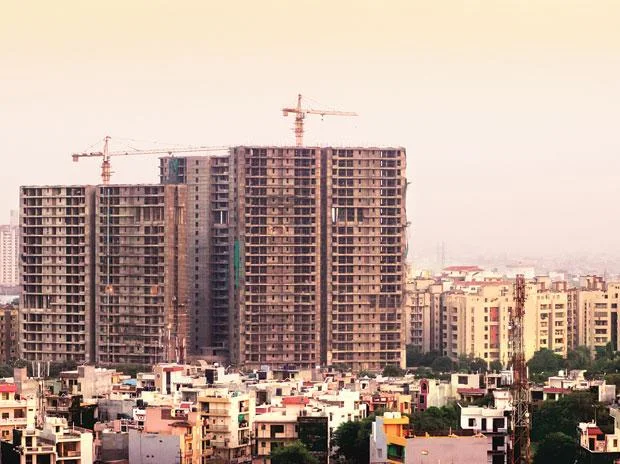
Housing sales drop is the big story in India’s home market right now. It means fewer homes were sold than before. In India’s top seven cities, sales fell 6% year on year, while unsold homes also dipped. That tells us demand slowed, but builders did not lose control of supply.
Key takeaways
- India’s top 7 housing markets saw sales fall 6% from a year earlier.
- At the same time, unsold inventory also dropped, which means fewer homes are sitting without buyers.
- Mumbai Metropolitan Region stayed the biggest market by volume.
- The slowdown looks more like a cooling phase than a crash, because supply remains fairly tight.
Why did housing sales drop in the top 7 cities?
The latest real estate data shows a broad slowdown across the biggest urban markets. These cities are Mumbai Metropolitan Region, Delhi-NCR, Bengaluru, Pune, Hyderabad, Chennai, and Kolkata. Together, they often act like a report card for India’s housing sector.
Sales fell to about 96,285 units in the latest period, from roughly 102,520 units a year earlier, according to data cited by PropEquity. A unit means one home. That 6% fall is not tiny, but it is also not a collapse.
Why does this matter? Because housing is a huge part of the economy. It affects jobs in cement, steel, tiles, paint, home loans, and moving services. So when housing sales drop, many linked businesses feel the change too.
There are a few reasons this may be happening. Home prices have risen in many cities. Borrowing costs also stayed high for many buyers. Borrowing cost means the interest you pay on a home loan. So some families may be waiting longer before buying.
Buyers are also becoming picky. They want better locations, stronger builders, and projects that will finish on time. Meanwhile, investors seem less eager to rush in at any price. Investors are people who buy homes mainly to make money later.
How much did each city contribute to the slowdown?
The city-wise picture matters because India does not have one single housing market. Each city moves for its own reasons. Job growth, office demand, local prices, and new supply all shape sales.
| City | Trend | What it suggests |
|---|---|---|
| Mumbai Metropolitan Region | Largest market | Demand stayed big, but growth cooled |
| Delhi-NCR | Mixed momentum | Buyers stayed active in select areas |
| Bengaluru | Softer sales | Tech hiring and pricing matter a lot |
| Pune | Moderate demand | End-user demand still supports the market |
| Hyderabad | Cooling after strong run | Fast price gains may have slowed buyers |
| Chennai | Steady but smaller | More balanced market conditions |
| Kolkata | Relatively stable | Less overheated than some peers |
Mumbai Metropolitan Region, often called MMR, remained the biggest market. MMR includes Mumbai and nearby areas. That scale matters because even a small shift there can move the national total.
Bengaluru and Hyderabad are especially watched because both cities saw strong housing demand in recent years. That was tied to tech jobs and income growth. But when prices rise fast, buyers can step back.
Delhi-NCR is a large and mixed market. NCR means National Capital Region. It includes Delhi and nearby cities like Gurugram, Noida, and Ghaziabad. One part can surge while another part slows.
What does unsold inventory tell us?
Here is the more surprising part. Even as housing sales drop, unsold inventory also declined. Unsold inventory means homes launched by builders that have not yet found buyers. Think of it like stock left on a shop shelf.
That matters because high unsold inventory can be a danger sign. It may mean builders made too many homes. But if sales slow and unsold homes still fall, the market may simply be cooling from a very hot phase.
In simple terms, builders seem to have been more careful with launches. A launch is when a developer starts selling a new project. That helps keep supply from piling up too fast.
Many developers learned hard lessons from the last big property slump. They now focus more on cash flow and project timing. Cash flow means money moving in and out of a business. So they may be avoiding the old habit of flooding the market.
Top 7 cities: sales down, inventory also downLast year salesThis year salesUnsold stock102,52096,285Lower
Does this mean India’s property market is in trouble?
Not yet, and that is the key point. When housing sales drop, people often fear a crash. But the current signals look more like a slowdown after a strong run. Demand is softer, yet the market still has support.
For one thing, premium homes have done better than mass-market homes in many cities. Premium means more expensive. Wealthier buyers often depend less on loans, so high interest rates hurt them less.
Also, India’s big cities still have real housing demand. People move for work, marriage, school, and better travel links. That gives the market a base level of support, even when investors turn cautious.
Still, affordability is becoming a bigger issue. Affordability means whether regular families can truly pay for a home. If prices rise faster than salaries, then more buyers get pushed out.
That risk is worth watching in cities where home prices jumped sharply. It also connects with wider trends in consumer spending. For example, buyers already face pressure from higher gadget prices, as we explained in our report on the Apple price hike hitting MacBook and iPad buyers.
What should homebuyers and investors watch next?
If housing sales drop again in the next quarter, that would matter more. One weak period can happen for many reasons. But two or three weak periods in a row would suggest a deeper shift.
Watch interest rates, new launches, and city-wise pricing. Also watch job markets in tech and finance hubs. Bengaluru, Hyderabad, Pune, and NCR often react quickly to hiring trends.
Homebuyers should not panic, but they should compare projects carefully. Check builder history, delivery record, and total cost. Delivery record means whether a builder finishes homes on time. A cheaper flat can still become costly if delays stretch for years.
Investors should be careful with the old idea that every property price only goes up. That is not how markets work. In fact, slower sales can give buyers more room to bargain.
If you track broader market mood, this housing slowdown fits a pattern. We have seen caution in other sectors too, from our report on foreign investors selling ₹31,823 crore in June to policy debates like Tesla’s EV policy push in Delhi. Different sectors move differently, but money has become more selective.
Where did the numbers come from?
The latest city-wise housing data was reported using PropEquity research and published by Financial Express. You can also track housing and urban policy context through official sources such as the Reserve Bank of India and the Ministry of Housing and Urban Affairs.
India’s top housing markets are slowing, but they do not yet look broken. Sales fell 6%, yet unsold stock also came down, which suggests builders have stayed more disciplined than in past property booms.
What is the big takeaway from the housing sales drop?
The big message is simple. Housing sales drop does not automatically mean a housing crash. Right now, it points to a market that is cooling after moving too fast.
That is why the unsold inventory number matters so much. It shows whether homes are piling up without buyers. So far, that pile is not growing in a scary way.
For buyers, this could be a better time to ask hard questions and negotiate. For builders, it is a warning not to overbuild. And for the wider economy, it is one more sign that people are spending more carefully now.
FAQs
What does housing sales drop mean?
It means fewer homes were sold compared with an earlier period. In this case, sales in the top seven cities fell 6% from a year ago.
Why did housing sales drop in major cities?
Prices rose in many places, and home loans stayed costly. So some buyers delayed purchases or became more selective.
Why is unsold inventory important?
Unsold inventory shows how many homes builders still need to sell. If it rises too fast, the market can become risky. Here, it eased, which is a healthier sign.
Who is most affected when housing sales drop?
Builders, homebuyers, banks, and many linked industries feel it. That includes cement, steel, paint, and home loan companies.