Key takeaways
- Rajasthan and Haryana have signed a new deal to settle the Yamuna water dispute.
- The agreement clears the way for canal work and water supply plans that were stuck for nearly 30 years.
- Both states say they will share costs and move the project ahead faster.
- The deal matters because water is critical for farms, towns, and future growth in dry areas.
The Yamuna water dispute is a long fight over who gets how much river water. Rajasthan and Haryana now say they have settled it with a fresh agreement. That matters because this water can support farming, drinking needs, and daily life in places that often face shortages.
The new pact ends a standoff that had dragged on for almost three decades. That is a very long time for one water project to sit in limbo. Now both states say they will work together instead of arguing over old terms.
What happened in the Yamuna water dispute?
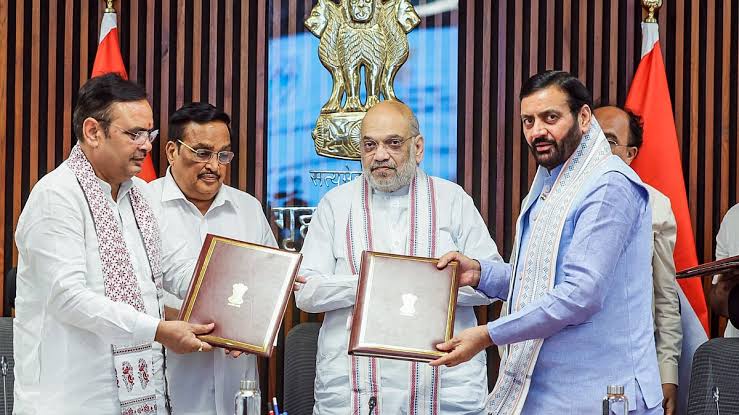
Rajasthan Chief Minister Bhajan Lal Sharma and Haryana Chief Minister Nayab Singh Saini were part of the new understanding, according to official statements and news reports. The deal focuses on moving ahead with water-sharing and linked canal works. A canal is a man-made water channel. It carries water from one place to another.
The core issue was simple to ask but hard to solve. How much Yamuna water should Rajasthan get, and how should the states build the system to deliver it? Those questions stayed stuck for about 30 years, so the project moved slowly or not at all.
Under the fresh agreement, the states have aligned on pending issues linked to supply and infrastructure. Infrastructure means the basic systems a project needs. In this case, it means canals, routes, and related construction work.
Why did this fight last nearly 30 years?
Water disputes between states can drag on because rivers cross borders, but needs keep rising. Farmers want irrigation water. Cities want drinking water. Governments also have to decide who pays for big projects, and that often sparks delays.
In this case, old disagreements over cost sharing, project execution, and water delivery slowed progress. Cost sharing means dividing the bill. If two states do not agree on that, even approved plans can stall.
Nearly 30 years is not just a political number. It means children were born, grew up, and became adults while the issue stayed unresolved. Meanwhile, water stress kept growing in many parts of north India.
Why does the Yamuna water dispute matter to ordinary people?
This is not only a file-moving story. It affects farms, homes, and local economies. In dry districts, reliable water can mean better crops, less risk, and fewer tanker trips in summer.
For farmers, canal water can reduce dependence on rain. Irrigation means giving water to crops in a planned way. That helps because monsoon rain can be uneven, and one weak season can hurt incomes fast.
For families, more stable supply can improve drinking water access over time. It can also help towns plan growth better. When water is uncertain, everything from housing to industry gets harder.
If you want a quick example of why resource planning matters, see how basmati rice exports may rise as Afghanistan buys more. Farm output and trade often depend on water, transport, and steady policy working together.
What does the new agreement actually change?
The biggest change is that the Yamuna water dispute is no longer blocking action in the same way. The two states have signaled political agreement, which is often the hardest step. Once leaders agree, departments can start clearing technical and funding steps faster.
Reports say the understanding covers the construction path and funding responsibilities. Funding means the money needed for the project. Without that, even a promised canal stays lines on paper.
Here is the simple picture. One state needs water delivery. The other is central to the route and implementation. So both have to cooperate, or the whole system stalls.
| Issue | Before deal | After deal |
|---|---|---|
| Water-sharing terms | Disputed | Agreed in principle |
| Project progress | Delayed for nearly 30 years | Expected to move ahead |
| Cost sharing | Pending questions | Framework reportedly settled |
| Impact on users | Uncertain supply outlook | Clearer path for future supply |
Key numbers behind the Yamuna water dispute
The headline number is almost 30 years. That tells you how long the issue stayed unresolved. Another key number is 2 states, because interstate deals need both sides to move at once.
A third number is 1 river system with many competing demands. The Yamuna supports drinking water, farming, and ecosystems across multiple regions. So even one agreement can have effects beyond a single district.
Yamuna water dispute: key numbers3021Years delayedStatesRiver system
Those numbers are small, but the effect is big. A 30-year delay can reshape investment, migration, and farming choices. As a result, even a narrow agreement can matter a lot.
What happens next after the Yamuna water dispute deal?
Now comes the less dramatic part. Officials will need to translate the agreement into timelines, budgets, and construction milestones. A milestone is a checkpoint in a plan. It shows whether real work is moving.
People should watch for tender notices, engineering updates, and funding approvals in the months ahead. A tender is a formal bid process for project work. It helps governments choose who will build or supply something.
The next question is speed. Big public works can still slow down because land, approvals, and design changes often take time. But this deal removes one major roadblock, so that is a real shift.
For readers tracking how states handle long economic problems, our coverage of ITC’s growth strategy across factories, farms, and reach shows how infrastructure and supply chains shape outcomes over time. Public water systems work the same way. They need planning, money, and follow-through.
What does this deal say about water politics in India?
It shows that old disputes can be solved if states see a shared benefit. Water politics is often tense because every side feels pressure from voters. But agreements become easier when leaders focus on delivery instead of blame.
This also fits a wider pattern in India. As cities grow and climate stress rises, water deals will become more urgent. Climate stress means weather pressure like heat, weak rain, or shifting rainfall patterns.
A clear, quotable takeaway is this:
The new Rajasthan-Haryana pact matters because it turns the Yamuna water dispute from a 30-year argument into a project that can finally move.
For official background on interstate river management, readers can check the Ministry of Jal Shakti. For broader river basin data, the Central Water Commission is also a useful primary source.
If you follow how government policy affects mobility and cross-border rules, you may also like our explainer on passport proof of citizenship in five countries. It is a different topic, but it shows how old rules can shape daily life for years.
FAQs
What is the Yamuna water dispute?
The Yamuna water dispute is a long disagreement over river water sharing and delivery between Rajasthan and Haryana.
Why is this agreement important?
It matters because it clears a major block to canal and water supply work after nearly 30 years of delay.
Who could benefit from the new deal?
Farmers, towns, and households could benefit if the project moves ahead and water starts reaching planned areas more reliably.
When will people see results?
Not overnight. First, officials need budgets, timelines, and construction progress, so visible results may take time.