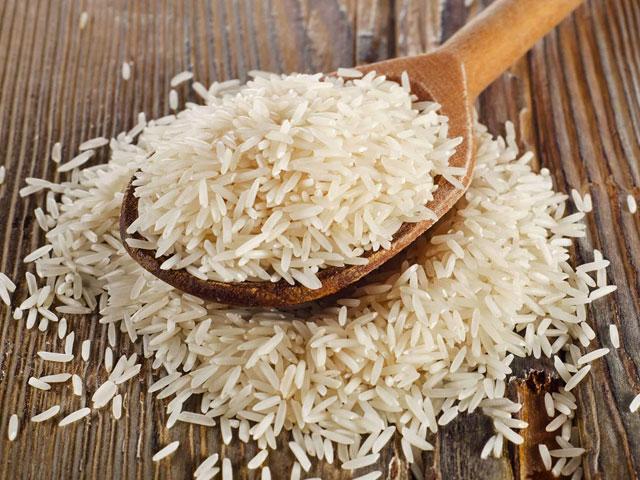
Basmati rice exports may get a lift because Afghanistan is expected to buy more from India. Basmati rice exports means sales of India’s fragrant long-grain rice to other countries. Traders say Pakistan’s supply trouble has opened a gap, so Indian sellers may ship more bags across the region.
Key takeaways
- Afghanistan may import more Indian basmati as Pakistan faces supply strain.
- India already dominates global basmati trade, so even a small shift can matter.
- Higher demand could support Indian exporters and some farmgate prices.
- Buyers still watch freight, border routes, and currency moves closely.
Why are Basmati rice exports in focus now?
The new trigger is simple. Afghanistan needs rice, but Pakistan may not be able to meet demand as easily as before. That gives Indian exporters a fresh opening.
Trade groups and market participants told Indian business media that shipments to Afghanistan could rise in the coming months. They expect buyers to turn to India because supply from Pakistan has become less certain. In trade, supply means how much product sellers can actually deliver on time.
India and Pakistan are the two big names in basmati. Both sell similar aromatic rice, but buyers often switch if one side has less stock or higher prices. That’s a bit like choosing a different shop when your usual one runs out.
How big is India’s position in Basmati rice exports?
India is already the world’s biggest basmati seller. The country exports millions of tonnes each year to West Asia, Europe, the US, and nearby Asian markets. A tonne is 1,000 kilograms.
Government trade data shows India shipped roughly 5 million tonnes of basmati in the last financial year, with export value around $5 billion. That works out to about Rs 41,000 crore at an exchange rate near Rs 82 per dollar. These are huge numbers, so even a 2% to 5% gain adds up fast.
Afghanistan is not India’s biggest basmati market, but it matters because it is close and price-sensitive. Price-sensitive means buyers quickly react to even small price changes. If Indian rice lands cheaper or faster, orders can shift within weeks.
Estimated scale of India’s basmati tradeAnnual exports5 mn tonnesExport value$5 bnPossible extra demand2-5% shift
Why might Afghanistan buy less from Pakistan?
Pakistan has been a major supplier to Afghanistan for years. But trade flows can change when crops, logistics, or local stock levels change. Logistics means the system that moves goods by road, rail, or ship.
Reports suggest Pakistan’s available surplus may be tighter now. Surplus means stock left after local needs are met. If that extra stock shrinks, exporters have less room to offer sharp prices abroad.
There can also be route and payment issues. Payment issues include delays in getting money across borders or through banks. When that happens, buyers prefer the seller who can move goods with fewer headaches.
India has another edge. Its exporters have scale, which means they can handle large orders more easily. Many already serve demanding markets in the Gulf, so adding Afghan orders is possible if prices work.
What could this mean for Indian farmers and exporters?
For Indian exporters, more Afghan buying could help clear stocks faster. That matters because rice businesses earn better when warehouses don’t sit full for too long. A warehouse is a big storage building for goods.
For farmers, the effect may be positive but uneven. If export orders rise, mandi prices can improve in some regions. A mandi is a farm market where crops are sold.
Still, nobody should expect a miracle overnight. Afghanistan is a useful market, but it is much smaller than top buyers such as Saudi Arabia, Iran, or Iraq. So the real story is not one giant jump, but a helpful extra stream of demand.
| Item | What it means | Why it matters |
|---|---|---|
| Pakistan supply strain | Less extra rice to export | Afghan buyers may switch |
| India export scale | About 5 million tonnes yearly | Can absorb more orders |
| Afghanistan demand shift | Likely rise in Indian purchases | Supports trade and prices |
Will Basmati rice exports change prices in India?
They could, but the effect may stay limited at first. Rice prices depend on crop size, stock levels, freight costs, and policy. Freight cost is the money paid to move goods.
If Afghanistan buys more and other markets stay firm, exporters may bid a little higher for good-quality grain. Better grain usually gets better rates because buyers want long grains, strong aroma, and low breakage. Breakage means grains that crack during milling.
But if global demand weakens, prices may not jump much. That is why traders watch many markets at once, not just one border. In fact, one new buyer trend helps most when the wider market is already healthy.
How does this fit into the bigger India trade story?
This shift shows how quickly regional trade can change. One country’s shortage can become another country’s chance. That’s exactly what seems to be happening here.
India has been building strength in several export-linked sectors. For example, its clean energy push is changing industrial demand, as seen in India becoming the world’s No. 2 solar market. Manufacturing is also getting attention, including PM MITRA textile park projects worth Rs 20,000 crore.
Agriculture does not move in the same way as tech or factories, but the lesson is similar. When supply chains shift, countries that are ready can win business. You can also see how market shocks spill across borders in our report on the Kospi crash and its limited impact on Indian markets.
For readers who want the official trade picture, India’s commerce data is tracked by the Directorate General of Commercial Intelligence and Statistics. Export rules and notifications are also posted by the Directorate General of Foreign Trade.
What should readers watch next?
Watch three things. First, see whether Afghan orders actually rise over the next few weeks. Second, track whether Pakistani supplies stay tight. Third, check if Indian exporters hold price advantage after freight and border costs.
Here’s the clearest way to put it: If Pakistan cannot supply enough basmati at workable prices, Afghanistan is likely to buy more from India, and that should support Basmati rice exports in the near term. That’s the core takeaway, and it’s why traders are paying attention now.
There is also a policy angle. India has changed rice export rules before to manage local supply and inflation. Inflation means a broad rise in prices. So any fresh government move could quickly affect this trade window.
Could Basmati rice exports face any risks?
Yes, a few. Border trade can slow because of paperwork, transport limits, or payment friction. Friction here means delays and trouble in getting a deal completed.
Currency swings are another risk. If one country’s currency weakens, imports become costlier there. That can reduce order size even when the need for rice stays strong.
Competition will not vanish either. Pakistan remains a major basmati player, so buyers may return if its prices improve. That means India’s opportunity is real, but it still has to be earned bag by bag.
FAQs
What is basmati rice?
Basmati is a long-grain aromatic rice. It is known for its smell, length, and soft texture after cooking.
Why is Afghanistan buying more from India?
Afghanistan may buy more from India because Pakistan’s export supply appears tighter. Buyers often switch to the seller who can deliver faster and at a better price.
Who gains if Basmati rice exports rise?
Exporters gain first because they sell more stock. Some farmers may also benefit if stronger export demand lifts mandi prices.