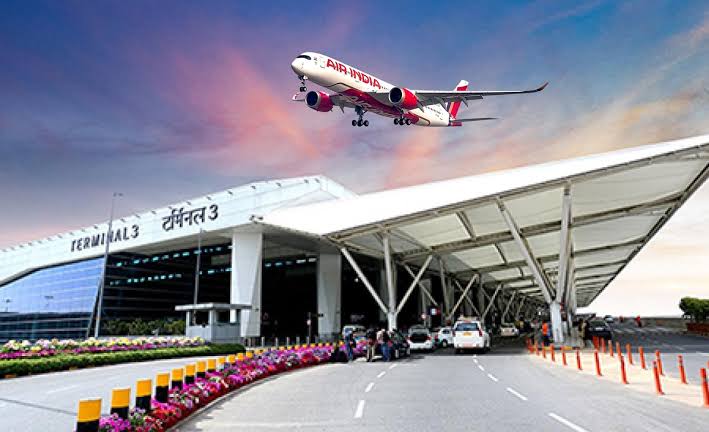
Air India and Delhi airport have started cargo transshipment trials to move more global freight through India. Cargo transshipment trials means testing a system where goods land at one airport, switch flights, and then fly to another country. It’s a small operational test, but it could help India grab business now handled by hubs like Dubai and Singapore.
Key takeaways
- Air India and Delhi airport have begun cargo transshipment trials for international freight.
- The goal is to turn Delhi into a bigger connecting hub for goods, not just passengers.
- Transshipment can cut travel time and handling steps for some cargo routes.
- If the trial works, India could keep more logistics revenue at home.
Why do cargo transshipment trials matter?
Most people notice airports because of passengers. But airports also move huge amounts of cargo every day. That includes phones, machine parts, medicines, clothes, and fresh food.
Right now, a lot of India-linked air cargo gets routed through foreign hubs. That happens because those airports already have fast sorting systems, customs support, and many connecting flights. Customs means the government checks goods crossing borders. So, if Delhi can do this well, more shipments may stay on Indian routes.
That matters because cargo brings fees, jobs, and airline revenue. It also helps exporters move goods faster. Exporters are companies that sell products to other countries. In fact, even a few hours saved can matter for high-value items like medicines or electronics.
What exactly is happening at Delhi airport?
Air India and Delhi airport have started cargo transshipment trials to test how imported or transfer cargo can move through the airport and connect onward to other international flights. The trial checks real-world issues like paperwork, storage, timing, security checks, and airline coordination.
Think of it like changing buses, but for boxes. A shipment may arrive in Delhi from one country, stay briefly in a cargo zone, then leave on another flight to a different country. The airport and airline need that handoff to be quick and reliable, because delays can make customers pick another hub.
These cargo transshipment trials are important because India has long talked about becoming a logistics hub, but execution has been the hard part. Logistics means the system that moves goods from one place to another. So this test is less about big promises and more about whether the process works on the ground.
How big is the cargo opportunity for India?
The global air cargo market is massive. The International Air Transport Association, or IATA, says airlines worldwide carried about 58 million tonnes of cargo in 2023. A tonne is 1,000 kilograms. That is equal to 58 billion kilograms of goods moving by air in one year.
India’s share is still modest compared with major hub airports in West Asia and Southeast Asia. But India’s location helps. It sits between Europe, Asia, and parts of Africa, so it can work as a natural midpoint for some routes.
Delhi airport already has scale. It handled more than 1 million metric tonnes of cargo in recent years, depending on the period counted. Meanwhile, passenger traffic has kept rising, which also helps cargo because wide-body aircraft carry freight in the belly space below passengers.
Air cargo scale58m tonnes~1m tonnesGlobal 2023Delhi annual scale
The chart shows the size gap clearly. Global air cargo is about 58 million tonnes, while Delhi’s annual cargo scale is a little over 1 million tonnes. But the point of a hub is not to beat the world. It’s to win a larger slice of connecting traffic.
What could Air India gain from cargo transshipment trials?
Air India is rebuilding its network and fleet, so cargo is a useful extra lever. A fleet is the airline’s collection of planes. If the airline can feed more cargo through Delhi, it can earn from both direct shipments and connecting shipments.
This also fits a wider hub strategy. Airlines make better use of aircraft when they connect traffic through one strong base. That idea works for passengers and cargo both. As a result, every new connection can make the network more valuable.
Air cargo can be especially useful on long international routes. Passenger demand goes up and down by season, but cargo can help fill spare space. That extra income matters while Air India spends heavily on growth.
| What is being tested | Why it matters |
|---|---|
| Faster transfer of cargo between flights | Can reduce delivery time |
| Customs and security process | Helps avoid paperwork delays |
| Storage and handling at Delhi | Prevents damage and missed flights |
| Airline-airport coordination | Makes the hub work smoothly |
What challenges could slow this plan?
Building a cargo hub is not just about announcing a trial. It needs speed, trust, and simple rules. Freight companies will only shift routes if Delhi can match the reliability of established hubs.
Customs timing is one issue. If goods wait too long for approval, the connection loses value. The airport also needs enough warehouse space, cold-chain support, and digital tracking. A cold chain keeps temperature-sensitive goods, like vaccines, at the right temperature.
Then there is competition. Dubai, Singapore, and Doha already offer strong links, quick handling, and lots of flights. So Delhi must prove it can do the same at the right cost.
India has pushed hard on logistics in other areas too. For example, the country is expanding manufacturing capacity, as seen in India’s plan to save Rs 40,000 crore yearly from local PCB production. And large industrial projects like the PM MITRA textile parks could create more export cargo over time.
Why does this matter for Indian trade?
If cargo transshipment trials succeed, Indian exporters may get more route options and possibly lower handling friction. Friction means delays, extra steps, or added costs. That won’t fix every supply-chain problem, but it can make air shipping smoother.
It could also help India keep more aviation value inside the country. Instead of paying foreign hubs to sort and forward shipments, some of that business could happen in Delhi. Meanwhile, airlines, handlers, truckers, and warehouse firms could all benefit.
This story also fits a larger question about Indian infrastructure. Can India build systems that are not just large, but fast and dependable? These cargo transshipment trials are one practical test of that idea.
For readers who track the aviation sector, this comes at a time of stress and change. Our recent report on ICRA’s higher airline loss estimate for India showed how badly airlines need stronger economics. Cargo won’t solve everything, but it can help create steadier revenue.
Primary industry data from IATA and airport information from Delhi International Airport show why the opportunity is real. The question now is execution. If these cargo transshipment trials move from test runs to daily operations, Delhi could become more than a busy airport. It could become a real cargo crossroads.
Delhi’s cargo push is simple to explain: if goods can land, switch flights, and leave fast, India can keep more global freight traffic that now passes through foreign hubs.
How could cargo transshipment trials change Delhi airport?
They could turn Delhi from mostly an origin-and-destination airport into a stronger connecting hub for freight. That means more cargo would pass through Delhi even if it starts and ends in other countries.
What is transshipment in air cargo?
Transshipment means goods arrive on one flight and leave on another flight through the same airport. The cargo does not finish its journey there. It just changes planes, like a traveler changing flights.
Why are cargo transshipment trials starting now?
Air India is expanding, and India wants a bigger role in global logistics. So this is a good time to test whether Delhi can handle faster international cargo connections at scale.
FAQs
How do cargo transshipment trials help exporters?
They can create faster routes and fewer detours. That may help time-sensitive goods reach buyers sooner.
What makes Delhi a good cargo hub candidate?
Delhi has a large airport, a central location, and growing international links. Those are useful pieces for a transfer hub.
Why don’t all India-linked shipments already pass through India?
Foreign hubs built faster systems earlier. So many freight companies still trust those airports for smooth connections.