Key takeaways
- India gets a big share of its oil through the Strait of Hormuz, so any block or attack matters fast.
- The Hormuz crisis is a threat to the narrow sea route that carries oil and gas from the Gulf.
- India has emergency crude stocks, but they can only soften a long shock, not erase it.
- If disruption lasts, fuel costs, shipping bills, and inflation could all rise.
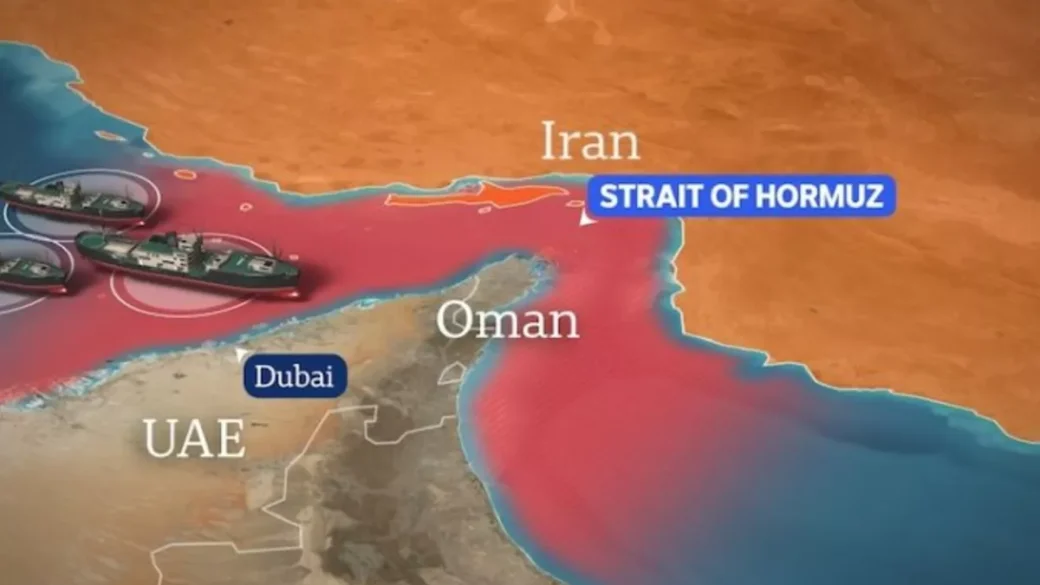
The Hormuz crisis is a risk to oil and gas ships moving through the Strait of Hormuz. That strait is a narrow water path near the Gulf. For India, the Hormuz crisis matters because a large part of its energy comes through that route. If the route stays unsafe for long, India could face a hard 100-day test.
Think of the strait like a tight school gate. If the gate jams, everyone behind it slows down. That is why traders, ship owners, and governments watch this route so closely. In fact, a problem there can affect fuel pumps in India within days.
Why does the Hormuz crisis matter so much to India?
India imports more than 85% of its crude oil needs. Crude oil is raw oil before it is turned into petrol, diesel, and jet fuel. A large share of that oil comes from Gulf countries such as Iraq, Saudi Arabia, the UAE, and Kuwait. Much of it travels through the Strait of Hormuz.
The strait is tiny on the map, but huge in real life. At its narrowest point, it is about 33 km wide. The shipping lane is even tighter. So when tensions rise there, ship insurers, cargo firms, and refiners get nervous very quickly.
India also buys liquefied natural gas, or LNG, from the Gulf. LNG is natural gas cooled into a liquid so ships can carry it. That matters because gas runs power plants, factories, and city gas networks. So the Hormuz crisis is not only an oil story.
A direct answer is simple: if the route shuts or slows badly, India would still have some buffer, but costs would jump. One quotable way to put it is this:
India can manage a short Hormuz shock with stocks and alternate buying, but a long disruption would raise costs across fuel, freight, and inflation.
How much oil moves through this route?
Global energy markets treat this channel as one of the world’s most important chokepoints. A chokepoint is a narrow route that many ships must use. According to the U.S. Energy Information Administration, about 20 million barrels a day of oil moved through the Strait of Hormuz in 2024. You can read the agency’s route note here.
That is close to one-fifth of global petroleum liquids use. Petroleum liquids means crude oil and related fuels. Qatar also sends most of its LNG exports through the same route, according to the International Energy Agency. So the Hormuz crisis can shake both oil and gas markets at once.
Key numbers in the Hormuz crisis20 million barrels/dayOil through HormuzIndia imports over 85% of crudeIndia import dependenceAbout 100 days test windowShort-term buffer idea
Numbers help show the scale. If even 10% of 20 million barrels a day gets delayed, that is 2 million barrels thrown off schedule. Also, oil prices can move before any full shutdown happens, because markets price in fear early.
What is this 100-day test people are talking about?
The idea is not that India has exactly 100 easy days with no pain. It means India may have a limited period to cushion a major supply shock using reserves, shipping adjustments, and fresh deals. After that, stress grows. Costs rise, choices shrink, and some cargoes may arrive late.
India has strategic petroleum reserves, or SPRs. These are emergency crude stockpiles stored in caverns. India’s main reserve sites include Visakhapatnam, Mangaluru, and Padur. Together, India’s strategic reserves can cover only part of national demand, so they are a shield, not a magic fix.
India also has oil held by refiners and firms. Refiners are companies that turn crude into fuels. Put together, these stocks offer a broader buffer. But while that sounds comforting, a long blockage would still force India to buy costlier cargoes from farther away.
| Risk area | What happens first | What it could mean |
|---|---|---|
| Crude oil | Ship delays and higher prices | Costlier petrol and diesel over time |
| LNG | Tighter cargo supply | Pressure on gas users and power |
| Shipping | Higher insurance and freight | More expensive imports |
| Economy | Imported inflation | Higher costs for families and firms |
Can India buy oil from somewhere else?
Yes, but not instantly and not cheaply. India has become more flexible since 2022 by buying more Russian crude. It also buys from the United States, West Africa, and Latin America. That helps, because India is no longer tied to just one region.
Still, replacing Gulf barrels is not like swapping pencils. Refineries are tuned for certain grades of crude. Grade means the oil’s thickness and sulphur content. Some can switch more easily than others, but changes take planning, shipping slots, and money.
Longer routes also lift freight costs. Freight means the price of moving goods by ship. Insurance costs can jump too, especially if ship owners think the sea lane is unsafe. As a result, the final fuel bill can rise even if India finds alternate sellers.
Would Indian families feel the Hormuz crisis right away?
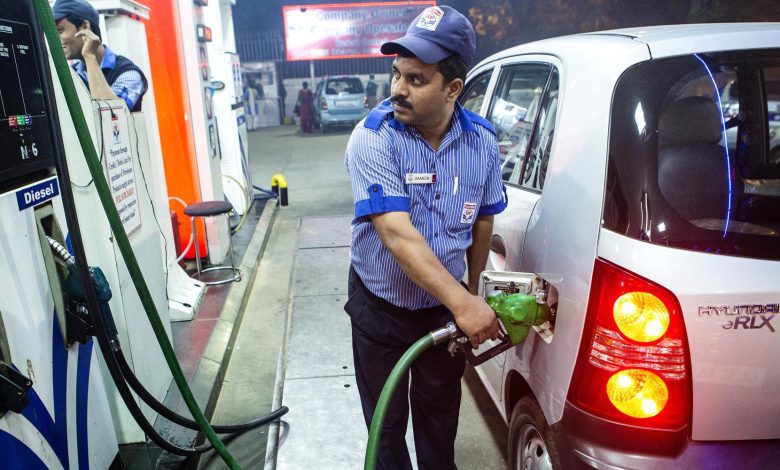
Not always on day one, but pressure can build fast. India does not change pump prices every hour. Yet if crude stays high for weeks, oil marketing firms feel the squeeze. Then the government must decide whether to cut taxes, absorb losses, or pass on some pain.
There is another problem: inflation. Inflation means prices rising across the economy. Diesel affects trucks, buses, farms, and factories. So if diesel gets costlier, food and goods can also become more expensive. Meanwhile, airlines may face higher jet fuel bills.
This is why energy security matters. Energy security means having enough fuel at a fair price, even in a crisis. India has improved this by building reserves, widening suppliers, and expanding refining capacity. You can see how wider trade shocks hurt industry in our piece on the India-EU scrap export fight.
What can India do now if the Hormuz crisis gets worse?
First, India can draw from reserves if needed. Second, refiners can seek more cargoes from Russia, the U.S., and Africa. Third, the government can work with shipping firms, insurers, and friendly countries to keep cargoes moving. None of this is easy, but it buys time.
India can also watch demand closely. If prices spike, some users may cut consumption. The government may try to shield the poorest families from a sudden jump. That matters because imported fuel shocks can hit the whole economy, not just drivers.
Recent stories show how global shifts quickly ripple into India. For example, our report on foreign investors selling ₹31,823 crore in June shows how risk can travel fast. And our coverage of the IIFCL loan plan explains why financing buffers matter in uncertain times.
The bottom line is clear. The Hormuz crisis is a shipping risk far from India, but its effects can reach Indian homes, factories, and markets. India is better prepared than before, because it has more suppliers and some emergency stocks. But if the Hormuz crisis drags on, the country’s real test will be cost, speed, and staying power.
FAQs
What is the Strait of Hormuz?
It is a narrow sea route between the Persian Gulf and the Gulf of Oman. Many oil and gas ships must pass through it.
Why does the Hormuz crisis matter to India?
India buys much of its oil from Gulf countries. So trouble on that route can raise fuel and shipping costs.
How long can India handle a big disruption?
India has reserves and other suppliers, so it can cushion a short shock. But a long disruption would still hurt prices and supply planning.