Key takeaways
- India is asking Europe to ease planned limits on metal scrap exports.
- EU scrap export rules affect old steel and aluminium that factories melt and use again.
- India says the curbs could raise costs for steel makers and weaken trade deal gains.
- The dispute matters because recycled metal is cheaper and cleaner than making new metal from ore.
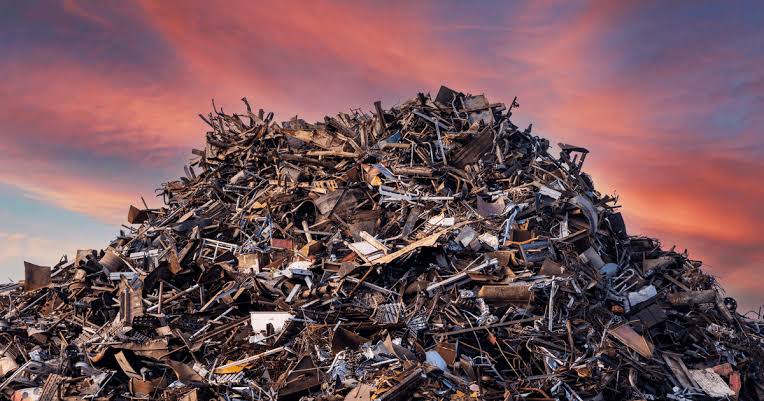
EU scrap export is the sale of used metal, like old steel and aluminium, from Europe to other countries. India wants relief because these flows help its recycling and steel industry. New EU limits could make scrap harder to buy. That could also sour wider India-EU trade talks.
Why is India worried about EU scrap export curbs?
India’s concern is simple. Its mills and recyclers need a steady supply of imported scrap. Scrap means old metal that can be melted and used again. It matters because making steel from scrap usually uses less energy than making it from iron ore.
The European Union is tightening waste shipment rules. These are rules for sending waste and recyclable material across borders. Under the new system, exports to non-OECD countries can face tougher checks or bans. OECD is a group of mostly richer economies with shared policy rules.
India is not an OECD member, so it could face more friction. That doesn’t mean all trade stops. But it can mean extra paperwork, slower approvals, and less certainty. For buyers that run big furnaces, uncertainty itself is a cost.
Indian officials have told the EU that the planned approach clashes with the spirit of free trade talks. Those talks aim to lower barriers and boost business on both sides. If one side opens its market but blocks key raw materials, the gains can shrink fast.
How big is the EU scrap export issue for India?
This is not a tiny niche problem. India is one of the world’s biggest steel producers, and scrap is a key feedstock for part of that industry. Feedstock means the basic material a factory uses to make something. Electric arc furnaces, for example, melt scrap to make fresh steel.
India’s steel demand keeps rising with roads, housing, cars, and factories. So mills want more scrap from many places, including Europe, the US, and the Gulf. Europe matters because it generates a lot of recyclable metal and has strong collection systems.
Numbers show why the fight matters. The EU exported roughly 19 million tonnes of ferrous scrap in 2023. Ferrous means iron-based metal, mostly steel. India imported millions of tonnes of scrap overall, though not all of it came from Europe.
Even a small squeeze can move prices. If scrap costs jump by $20 or $30 a tonne, that can add up across a big steel plant. A plant using 1 million tonnes would then face tens of millions of dollars in extra input costs.
Key numbers in the EU scrap export debate~19m tonnes$20-$30EU ferrous scrap exportsPossible price rise per tonne
That helps explain India’s push. This is not only about recycling firms. It is also about steel prices, factory margins, and the cost of building things. As a result, the issue reaches much wider than the scrap trade itself.
What exactly is the EU trying to do?
The EU says it wants better control over waste exports. Its goal is to stop environmental harm and make sure receiving countries handle waste safely. That’s a fair concern, because dirty or mixed scrap can pollute air, soil, and water.
But India argues metal scrap is not ordinary garbage. Clean scrap is a valuable industrial input. It can go straight into furnaces, foundries, and recycling plants. Foundries are factories that melt metal and pour it into shapes.
The fresh EU rules focus on whether importing countries can manage waste in an environmentally sound way. That means safe treatment without major harm to people or nature. India wants a practical route that recognizes serious recyclers and trusted industrial users.
In other words, India is not asking for a free pass. It wants the EU to avoid blanket barriers that treat all destinations the same. A more targeted system, India says, would protect the environment without choking useful trade.
Why does this matter for the India-EU trade deal?
India and the EU are trying to build a broader trade pact. A trade pact is an agreement to reduce tariffs and other barriers. These talks cover goods, services, rules, and investment, so they are already complex.
That is why the EU scrap export dispute stands out. Trade deals work best when both sides feel the exchange is balanced. If Europe keeps a needed raw material at home while seeking better access to India’s market, negotiators may push back.
India’s message is sharp but easy to grasp. Market access on paper means less if supply chains get blocked in practice. Supply chains are the networks that move goods from source to factory to customer. A steel mill can’t use tariff cuts if it cannot secure enough scrap.
This comes at a time when countries are rethinking industrial policy. Industrial policy means government plans to build local industries and protect strategic sectors. That shift can make trade talks harder, because each side wants open markets and secure supplies at once.
| Issue | What the EU says | What India says |
|---|---|---|
| Export controls | Needed for safe waste handling | Too broad for clean industrial scrap |
| Trade impact | Environmental checks come first | Curbs could reduce trade pact benefits |
| Industry effect | May support local circular use | Could raise costs for Indian mills |
Could India find other scrap suppliers?
Yes, but it may not be easy. Scrap markets are global, yet quality, freight cost, and timing all matter. Freight cost means the price of shipping cargo. If buyers switch from Europe to farther markets, transport bills may rise.
Also, scrap is not all the same. Some grades are cleaner and easier to melt. Grades are quality categories. Mills that need specific inputs cannot always replace one source overnight.
India is also trying to expand domestic recycling. That should help over time, because more cars, appliances, and buildings will eventually create more local scrap. But building collection networks and shredding capacity takes years, not weeks.
Meanwhile, any hit to imported supply could tighten the market. Tight means demand is strong but supply is limited. That often leads to higher prices, and those prices can flow into finished steel.
What happens next in the EU scrap export debate?
The most likely path is more negotiation. India can press its case during trade talks and through official channels with Brussels. Brussels is where the EU’s main institutions are based. The aim would be carve-outs, clearer rules, or a smoother approval process.
Authoritative documents show where the rules come from. The EU’s updated waste shipment regulation is available from the European Commission. India has also set out wider trade priorities in its talks with Europe through the Ministry of Commerce and Industry.
For readers watching Indian industry, the key point is this:
Clean metal scrap is not just waste. It is a raw material for cheaper, lower-emission steel, so limits on its flow can affect factory costs, trade talks, and the speed of recycling growth.
This also links to bigger themes on Lapaas Voice. We recently explained why banks feel pressure in FCNR loan rates and the bank squeeze. We also covered how global policy risks can spread in the BIS fiscal discipline warning and India’s clean-energy rise in India’s surge past 150 GW of solar capacity.
FAQs
What is EU scrap export?
EU scrap export means Europe selling recyclable metal scrap to other countries. This includes old steel and aluminium that factories melt and use again.
Why does India care so much?
India’s recyclers and steel mills use imported scrap as a key raw material. If supply gets tighter, costs can rise and factory planning gets harder.
Will this stop the India-EU trade deal?
Probably not by itself. But the EU scrap export dispute could slow trust and make tough talks even tougher.
Who gains if scrap stays inside Europe?
European recyclers and metal users may get better local supply. But buyers outside Europe, including in India, could face higher prices or fewer cargoes.