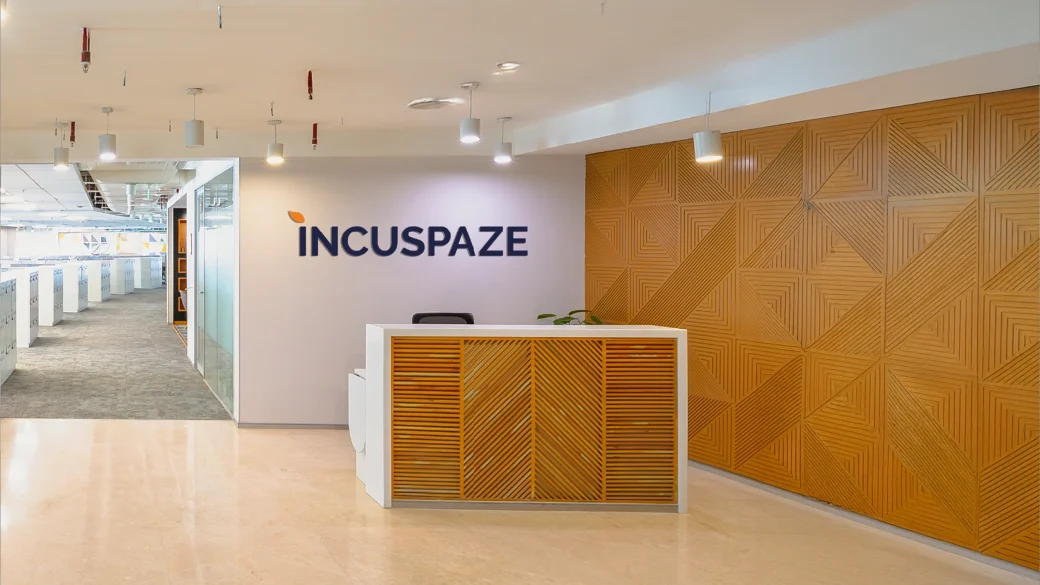
Incuspaze funding has jumped by ₹150 crore as the flexible workspace company prepares for a planned IPO. Incuspaze funding means fresh money a company raises from investors. The cash is meant to help the firm grow faster, add more space, and get ready for the public market.
Key takeaways
- Incuspaze has raised ₹150 crore ahead of a planned IPO.
- The company runs flexible workspaces, which are ready-to-use offices that firms can rent fast.
- The new cash should help it expand into more buildings and cities.
- The funding also matters because investors are still backing office space businesses with scale.
Why is Incuspaze funding in the news?
Incuspaze said it has secured ₹150 crore in fresh capital before a planned initial public offering, or IPO. An IPO is when a private company sells shares to the public for the first time. That step usually needs growth, cleaner accounts, and a story investors can believe.
The timing matters. Office demand has changed a lot since the pandemic, but it did not vanish. Instead, many companies now want shorter leases, managed offices, and room to grow or shrink quickly, so flexible workspace firms like Incuspaze have found a bigger opening.
This round gives the company more fuel before it faces public market questions. Public markets are stock exchanges where everyday and big investors can buy shares. Investors often want proof that a company can grow without burning too much cash.
What does Incuspaze actually do?
Incuspaze runs flexible offices for companies. These are ready-to-use workspaces with desks, meeting rooms, internet, and support staff. A client can move in much faster than with a normal office lease, because the fit-out work is already done.
That model has become popular with startups, mid-sized firms, and even big companies. Some want a small office in one city. Others want many offices without signing long property deals, because that reduces risk if hiring plans change.
In simple terms, Incuspaze sits between landlords and office users. Landlords own the buildings. Incuspaze designs, manages, and fills the space, then earns money from clients who pay for seats, cabins, or custom office setups.
How big is the new raise?
The headline number is ₹150 crore. That is ₹1.5 billion. At roughly ₹83 to a US dollar, that works out to about $18 million, though exchange rates move every day.
Here is a quick view of the key figures tied to the announcement.
| Item | Figure |
|---|---|
| Fresh capital raised | ₹150 crore |
| Value in rupees | ₹1.5 billion |
| Approx. US dollar value | About $18 million |
| Next major step | Planned IPO |
The amount is not tiny. For a workspace company, ₹150 crore can help with deposits, interiors, technology, hiring, and city expansion. Office expansion often needs upfront spending, because companies must secure space before customers fully move in.
Incuspaze funding at a glance₹150 cr~$18mRupeesDollar value
Why raise money before an IPO?
Companies often raise money before going public for a simple reason. They want to look stronger before the big test. More capital can help them grow faster, improve systems, and show a better path to profit.
It can also help with balance sheet strength. A balance sheet is a simple snapshot of what a company owns and owes. If a company looks financially steadier, public investors may feel more comfortable.
There is another reason too. The IPO market can open and shut quickly. So firms often build options early, raise private money first, and then choose the best moment to list.
What does this say about the flex office market?
Incuspaze funding sends a message that investors still see room in flexible offices. That matters because this sector has had both hype and doubt. Some firms grew very fast, but later faced questions on occupancy, pricing, and costs.
Occupancy means how much of a building is actually filled with paying users. If seats stay empty, revenue suffers. So the real test is not opening new centres. It is filling them at healthy prices.
India’s office market has also been shifting in a practical way. Companies want offices in more than one city. They also want shorter commitments and managed spaces, while trying to avoid the hassle of building each office from scratch.
That trend links to broader business changes. For example, tech hiring, startup funding, and enterprise expansion all affect office demand. You can see that wider AI and business backdrop in our India AI Roundup and in our report on Anthropic H-1B salaries, where talent demand shows how office needs can rise with hiring.
What should investors watch next?
First, watch scale. More centres sound exciting, but quality matters more than raw size. Investors will ask whether new locations can fill up quickly and earn steady cash.
Second, watch margins. Margins are the slice of revenue left after costs. If expansion pushes costs up faster than sales, the business can look bigger but not stronger.
Third, watch the IPO timeline. A planned IPO is not the same as a filed IPO. Investors should look for formal filings, updated financials, and risk disclosures in draft papers when they appear.
Fourth, keep an eye on competition. India already has several managed office and coworking players. In a crowded market, brand, location, service quality, and landlord ties can make a big difference.
How does this compare with other growth stories?
This is part of a wider pattern in India. Companies are raising money, expanding capacity, and preparing for bigger public market moments. We have seen that across sectors, from manufacturing to clean energy to digital businesses.
For example, our piece on DCM Shriram’s Jhagadia plant shows how companies use technology and scale to stand out. Our report on the BIS fiscal discipline warning also explains why capital is harder to get when the global mood turns cautious.
That is why this raise matters beyond one company. It shows that investors are still willing to write cheques for businesses they think can scale. But public markets usually ask tougher questions than private investors do.
What does Incuspaze funding mean in one line?
Incuspaze funding means the company has added ₹150 crore in fresh capital to expand its flexible office business and strengthen its case before a planned IPO.
That is the cleanest way to see it. The money gives Incuspaze more room to grow now. The harder part comes next, because public investors will want proof that growth can turn into durable profits.
For primary details on company filings and market rules, readers can track updates from SEBI and company records on the Ministry of Corporate Affairs website.
FAQs
What is Incuspaze funding?
Incuspaze funding is the ₹150 crore the company has raised from investors. It is fresh capital for expansion and IPO preparation.
Why does Incuspaze want this money before an IPO?
It likely wants to grow faster, improve its finances, and look stronger before public investors review the business.
How does a flexible workspace company make money?
It rents or manages office space, then sells ready-to-use offices and desks to businesses for a fee.