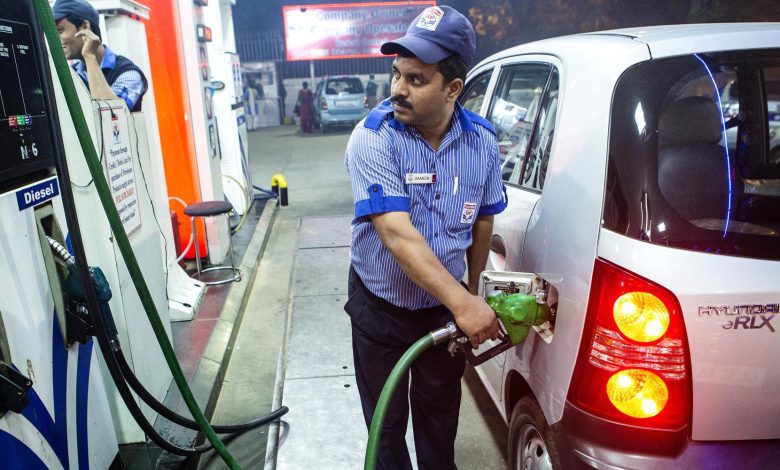
Petrol diesel sales cap ended from July 1 after the government withdrew a short-term 200-litre limit at fuel stations. Petrol diesel sales cap means a temporary rule that restricts how much fuel one buyer can purchase in a single sale. The cap was meant to help manage local supply worries, but it is no longer in force.
Key takeaways
- The government has withdrawn the temporary 200-litre limit on petrol and diesel sales from July 1.
- The rule had capped one sale at 200 litres at retail outlets, which are fuel pumps open to the public.
- Normal fuel sales can now resume, so bulk buyers should face fewer delays.
- The move suggests supply conditions improved enough for the cap to be removed quickly.
Why did the petrol diesel sales cap matter?
The petrol diesel sales cap got attention because 200 litres is a lot for a car, but not for everyone. Big buyers, such as farms, small factories, and diesel generator users, can need more in one visit. So a cap like this can slow work even if regular car owners barely notice it.
A litre is a unit of liquid measure. One litre is about the size of a large water bottle. So 200 litres is roughly like 200 one-litre bottles of fuel, which helps show why the cap mainly affected bigger users.
The government had put the restriction in place as a temporary step. Temporary means for a short time, not forever. Now that it has been withdrawn, fuel pumps can return to regular sales patterns.
What exactly changed on July 1?
From July 1, retail fuel outlets no longer have to follow the 200-litre ceiling for a single sale. A ceiling is a limit or maximum. That means buyers can again purchase more than 200 litres in one transaction, if the outlet has supply and normal rules are met.
The change matters because fuel sales are often time-sensitive. Farmers may need diesel for pumps. Transporters may need quick refills. Small businesses may run backup generators, especially in areas where power cuts happen.
In plain terms, the old number was 200 litres. The new number is no cap from this temporary order. That is a simple shift, but it can save extra trips, waiting time, and fuel pump paperwork.
Who was most affected by the petrol diesel sales cap?
The petrol diesel sales cap likely mattered most to diesel buyers. Diesel powers many trucks, tractors, buses, and generators. Petrol is mostly used by cars and bikes, so everyday buyers often purchase far less than 200 litres at a time.
Think of it this way. A bike rider may buy 5 to 10 litres. A car owner may buy 20 to 40 litres. But a farm machine or generator user could need 200 litres or more, so the cap had a much bigger effect there.
| Buyer type | Typical single purchase | Likely impact of 200-litre cap |
|---|---|---|
| Bike rider | 5-10 litres | Very low |
| Car owner | 20-40 litres | Low |
| Small business generator user | 100-300 litres | Medium to high |
| Farm or transport operator | 150-500 litres | High |
That is why the rollback matters even if most families never hit the 200-litre mark. The policy sat in the background for many people, but for larger users it could change the day’s work plan.
What does this say about fuel supply in India?
The end of the petrol diesel sales cap suggests the government sees less need for emergency controls right now. Emergency controls are quick rules used to prevent panic or shortages. When officials remove one fast, it usually means they believe the system can handle normal demand again.
India’s fuel system is huge. Public sector oil companies run thousands of retail outlets across the country. So even a small rule change can ripple through transport, farming, and local business activity.
Readers have also seen other supply and demand worries this season. For example, weak rains can hurt farm work and fuel use patterns, as we explained in our report on rainfall deficit and kharif sowing in West India. Weather matters because tractors, irrigation pumps, and rural transport all depend on steady fuel access.
How big was the cap in real-world terms?
Here is a simple look at the number. The rule fixed the limit at 200 litres per sale. If a buyer needed 400 litres, they might have needed at least 2 trips or split billing, depending on local practice.
That may sound small, but it adds friction. Friction in business means extra time, effort, or cost. One extra refill stop can delay a truck route or field job, especially while fuel demand is high.
Fuel need vs temporary cap200L cap100L200L250L
The chart shows the key point. A 100-litre buyer stayed below the limit. A 250-litre buyer crossed it. So the burden rose fast once needs moved above 200 litres.
What should fuel buyers do now?
If you are a normal car or bike user, not much changes. You can buy fuel as usual, because the earlier cap rarely affected small purchases. But if you run equipment, transport vehicles, or backup power systems, the rollback should make buying easier.
Even so, buyers should check with local outlets if they need very large quantities. Some stations have their own stock cycles and delivery schedules. A stock cycle is the pattern of fuel arriving, being stored, and then sold.
For official confirmation, readers can follow government updates and oil company notices through primary sources such as the Ministry of Petroleum and Natural Gas and major retailers like Indian Oil.
How does this fit into the bigger business picture?
Fuel rules matter far beyond the pump. They affect delivery vans, factory backups, farm machines, and shop costs. So a small policy move can shape how smoothly the wider economy runs in a given week.
That is also why readers track other demand and supply stories closely. We recently looked at how India’s infrastructure lending push could support big projects, and how India’s insurance market is becoming more buyer-friendly. Different sectors, same basic idea: when systems work better, daily life gets easier.
The simple answer is this: the government removed the temporary 200-litre limit from July 1, so fuel stations can again sell normal quantities of petrol and diesel in one go.
FAQs
What was the petrol diesel sales cap?
The petrol diesel sales cap was a temporary 200-litre limit on one sale at a fuel station. It was a short-term control, not a permanent rule.
Who felt the impact most?
Large diesel users felt it most. That includes transport operators, farms, and businesses using generators, because they may need more than 200 litres at one time.
Why did the government remove it?
The rollback suggests supply conditions improved enough to resume normal sales. In simple terms, officials no longer saw the temporary cap as necessary.