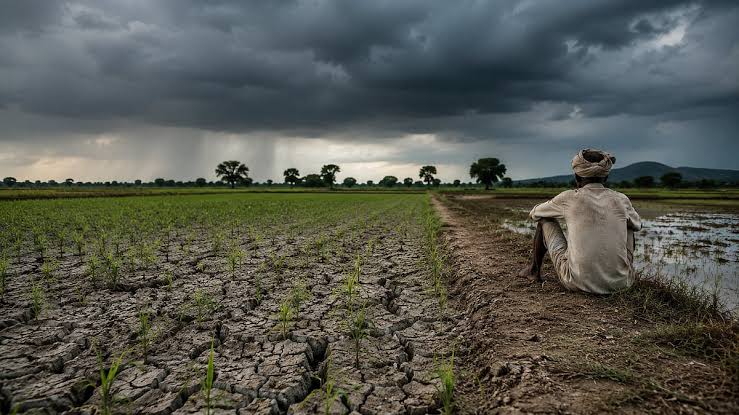
Rainfall deficit is when an area gets much less rain than normal. Right now, the rainfall deficit in Gujarat and Maharashtra is worrying farmers because kharif sowing depends on early monsoon rain. If fields stay dry for too long, farmers may delay planting or switch crops.
Key takeaways
- Gujarat and Maharashtra are seeing a sharp rainfall deficit during a key sowing period.
- Kharif crops such as soybean, cotton, pulses, and paddy need timely rain to be planted well.
- Late or weak rain can cut yields, raise costs, and hurt rural incomes.
- If rain improves soon, some planting can recover, but the delay still matters.
Why does the rainfall deficit matter so much right now?
This is the part of the year when many farmers start kharif sowing. Kharif crops are crops planted with the monsoon, like rice, soybean, and cotton. They need soil moisture, which means water already sitting in the soil.
That is why a rainfall deficit now matters more than a dry week later. Farmers often wait for steady rain before using seeds, fuel, and labour. If they plant too early and rain stops, the seeds can fail.
India gets about 70% of its yearly rain during the southwest monsoon, according to the India Meteorological Department. So even a short break in monsoon rain can shake farm plans. In fact, the first few weeks are crucial because they set the pace for the season.
Which states are most under pressure from the rainfall deficit?
Gujarat and Maharashtra stand out because both are major farm states. Maharashtra grows soybean, cotton, sugarcane, and pulses. Gujarat is important for cotton, groundnut, and other crops.
When these two states face a rainfall deficit, the impact can spread beyond villages. That is because lower sowing in big states can later affect market arrivals, food prices, and factory supplies. Cotton, for example, feeds the textile industry.
The concern is not only total rain. It is also where the rain falls and when it falls. A state may get one heavy shower, but farmers still need regular rain over several days.
Early monsoon pictureNormalDeficitNormalDeficitGujaratMaharashtra
How can weak rain change what farmers plant?
Farmers do not all react the same way. Some wait a few more days. Some plant less land. Others move to crops that need less water.
For example, a farmer may choose pulses instead of paddy because pulses usually need less water. That switch can reduce risk, but it may also change income. Market prices later decide whether that choice helps.
A delayed start also shortens the crop window. The crop window is the time available for a crop to grow well. If sowing happens too late, yields can fall because the plant gets less ideal weather.
What could this mean for food prices and the wider economy?
If sowing slows in June and early July, traders start watching supply risks. Traders are people or firms that buy and sell crops. They track weather because crop output often shapes prices months later.
India’s farm sector still supports a huge part of the population. Agriculture employs about 45% of India’s workforce, based on recent government estimates. So a weak monsoon start can touch incomes, demand in small towns, and even spending on basic goods.
There is also a price angle. If oilseeds, pulses, or vegetables get hit, retail prices may climb later. Retail prices are the prices families pay in shops. That can make inflation harder to control.
| Issue | What happens first | What may happen later |
|---|---|---|
| Low June rain | Soil stays dry | Sowing gets delayed |
| Delayed sowing | Less area planted on time | Lower yields in some crops |
| Lower output | Market supply fears rise | Food prices may go up |
Can the rainfall deficit still be fixed by later rain?
Yes, sometimes it can. A rainfall deficit in early weeks does not always mean a bad season. If widespread rain returns soon, farmers can catch up on part of the sowing.
But timing is everything. Ten rainy days in the right week can help more than one huge downpour later. That is because standing water from a sudden storm is not the same as steady moisture in the soil.
The monsoon often moves in bursts. So weather updates over the next one to two weeks will matter a lot. The Agriculture Ministry will also track sowing progress closely.
What should readers watch next?
First, watch whether the rainfall deficit narrows in Gujarat and Maharashtra. If normal rain returns, sowing could speed up. If the gap widens, crop worries may grow fast.
Second, look at weekly sowing data. Those numbers show how much land farmers have planted. They are often a clearer signal than one day of heavy rain.
Third, watch crop choices. If farmers shift from paddy to pulses or from soybean to other crops, that tells you they are adapting. It also hints at which food items may become costly later.
This is also why weather stories matter to city families. A rainfall deficit is not only about clouds and fields. It can shape the price of dal, cooking oil, cotton clothes, and even village jobs.
For a wider look at macro risks, read our piece on the BIS fiscal discipline warning. For more India technology and economy updates, see our India AI Roundup. If you want an example of how industry shifts affect supply chains, our story on DCM Shriram’s Jhagadia plant is useful too.
A simple way to read this story is this: if the rainfall deficit lasts, farmers plant less or plant later, and that can reduce crop output and push up prices months from now.
FAQs
What is rainfall deficit?
Rainfall deficit means a place got less rain than its usual level for that period. It is measured against a normal average.
Why is kharif sowing linked to monsoon rain?
Kharif crops are planted with the monsoon. Farmers need enough water in the soil before they sow seeds.
How soon can the situation improve?
It can improve within days if steady, widespread rain returns. But if the dry spell lasts longer, the risk to sowing rises.