Key takeaways
- In some countries, a passport is not always final proof of who counts as a citizen.
- That happens because nationality law, meaning the rules of citizenship, can be complex.
- People may need birth records, parent records, or court papers as well.
- This matters most for travel, voting, public benefits, and getting official IDs.
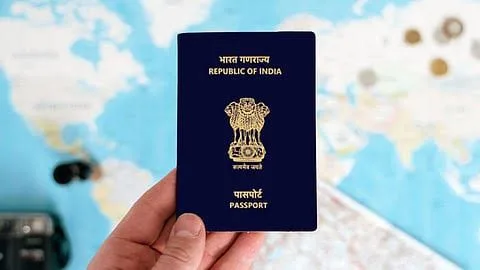
Passport proof of citizenship sounds simple, but it is not always final. Passport proof of citizenship is the idea that a passport alone fully proves you are a citizen. In a few countries, that idea can break down, so people may need extra papers.
That can feel strange because passports look official and powerful. They are official. But a passport is mainly a travel document. It lets you cross borders. In some legal fights, governments can still ask a deeper question: were you actually a citizen under the law?
Why can passport proof of citizenship fail?
Citizenship law decides who belongs to a country. It can come from birth, parents, marriage, or naturalisation. Naturalisation means becoming a citizen later by a legal process. If those old records are messy, the passport may not end the argument.
Some countries also say a passport shows identity and nationality on its face, but not forever. That means officials can review it later. If they find an error, they may cancel it. So passport proof of citizenship is stronger in some places than others.
A big reason is history. Borders changed. Colonies became nations. Laws shifted over decades. As a result, some people hold passports even while their legal status is disputed.
Which countries are often cited in this passport proof of citizenship debate?
The source report highlighted five countries: the United States, the United Kingdom, Australia, Canada, and New Zealand. These are all major passport issuers. Yet each has cases where a passport did not settle a citizenship dispute by itself.
That does not mean most passport holders are at risk. Far from it. Millions travel with no problem every year. But these cases matter because they show how law can be more complex than a booklet with your photo.
| Country | Why doubts can arise | Extra proof often used |
|---|---|---|
| United States | Passport can be challenged if citizenship records are disputed | Birth certificate, parents’ papers, court records |
| United Kingdom | Nationality rules can vary by birthplace and parent status | Birth and ancestry documents |
| Australia | Passport is not always conclusive in citizenship questions | Citizenship certificate, family records |
| Canada | Older or edge cases may need added review | Birth registration, citizenship certificate |
| New Zealand | Status can depend on law changes and parental status | Birth and immigration records |
What happens in the United States?
In the US, courts and agencies have treated passports as strong evidence, but not always final proof. That is the key twist. If the government believes the passport was issued by mistake, it can review or revoke it.
Revoke means cancel an official document. For example, people may still be asked for a birth certificate or records about their parents. The US State Department explains passport rules on its official site, and citizenship law can also be tested in court cases.
If you want the primary rules, see the US State Department passport pages. For the nationality law itself, the USCIS citizenship pages give background in plain language.
How do the UK, Australia, Canada, and New Zealand handle it?
In the UK, nationality law can get tangled because of birth location, parent status, and older imperial rules. Imperial rules means laws shaped during the British Empire. So some people need ancestry papers, not just a passport.
Australia has had similar debates. A passport can support a claim, but it may not end it. Officials may ask for a citizenship certificate. That is a separate document that says the person is a citizen under the law.
Canada and New Zealand also have edge cases. Edge cases means unusual situations near the border of a rule. These can involve old registrations, adoptions, parental citizenship, or law changes over time. In those moments, passport proof of citizenship may need backup.
Countries often cited in this issue: 5USUKAustraliaCanadaNZEach bar marks one country in the source list
Why does this matter to ordinary travelers?
For most people, nothing dramatic will happen. You can still use your passport for travel in the normal way. But if your citizenship is ever questioned, a passport may not be the only paper that matters. That is why families often keep birth records safe.
This also matters for people born abroad, adopted children, and families with mixed citizenship histories. Mixed citizenship histories means parents or grandparents from different countries. In fact, the harder your family record is to trace, the more useful extra documents become.
There is also a money angle. Replacing documents can take months and cost fees. In some countries, delays can stop a job, a visa, or school admission. So the issue is not only legal. It can hit real life fast.
What documents should people keep besides a passport?
A smart file often includes a birth certificate, parents’ passports, marriage papers if relevant, and any citizenship certificate. If names changed, keep those records too. Name mismatch is a common problem because systems may flag even small spelling gaps.
Digital scans help, but keep originals safe as well. A scan is a saved copy of a paper document. Also check whether your birth was properly registered. If it was not, fixing it later can take a long time.
If you are interested in how official paperwork affects money and rights, our guide on how EPFO decides your PF interest rate shows why records matter. And our piece on the Japan visa fee hike for Indians explains how travel rules can vary in surprising ways.
What is the bigger lesson here?
Here is the plain answer: a passport is a powerful travel document, but in a few legal systems it may not be the last word on citizenship. That is the heart of the passport proof of citizenship story. The booklet proves a lot, but sometimes the law asks for more.
This does not mean passports are weak. It means citizenship law is layered. Think of a passport like a house key. It usually opens the door, but if someone disputes who owns the house, the key alone may not settle it.
The same basic lesson appears in other areas too. Rules can look simple on the surface, but the fine print matters. For example, our report on Windows 10 security updates to 2027 shows how policy details can change what users must do next.
Can you reduce the risk of trouble?
Yes. Check your documents before a big trip, visa application, or foreign college move. Make sure dates, names, and parent details match. If anything looks off, ask the passport office or citizenship agency early, not the week before you fly.
People with older family records should be extra careful. Records from the 1970s or 1980s may be handwritten. Some were never digitised. Digitised means turned into computer records. Because of that, errors can linger for decades.
The best habit is simple: keep a document folder and review it once a year. It takes 15 minutes. That small check can save weeks of stress later. In a world full of forms, boring papers can be heroes.
FAQs
What does passport proof of citizenship mean?
It means using a passport to show you are a citizen. In some countries, that proof is strong but not always final.
Why would a passport not be enough?
Because citizenship law can depend on birth records, parents, or old legal rules. If those facts are disputed, officials may ask for more papers.
Who should keep extra citizenship documents?
Everyone should, but especially people born abroad, adopted people, and families with cross-border histories. They are more likely to face extra questions.