Key takeaways
- Akshayakalpa growth means the company has grown into a roughly Rs 700 crore business.
- It did this with about 2,800 farmers, which is small next to giant dairy networks.
- The brand focused on organic milk, direct sourcing, and better farm practices.
- Its story matters because it shows a niche food brand can scale without millions of suppliers.
Akshayakalpa growth is the rise of an organic dairy brand into a business of about Rs 700 crore. That means yearly revenue, or money from sales, reached that level. The striking part is simple. It did this with only around 2,800 farmers.
That number jumps out because India’s dairy world is huge. Many big milk brands buy from tens of thousands of farmers. Akshayakalpa took a narrower path instead, so its model looks more like a carefully built bridge than a giant fishing net.
Why is Akshayakalpa growth getting attention now?
The main reason is scale. A Rs 700 crore business is big by any normal measure. Yet Akshayakalpa growth came from a farmer base that is tiny compared with the country’s largest milk unions and private dairy players.
Shashi Kumar, the company’s founder, built the brand around organic farming and clean sourcing. Organic means farming without many synthetic chemicals. That promise is hard to keep, but it also helps a brand stand out in crowded supermarket fridges.
India is the world’s biggest milk producer, according to government data. But most milk is still sold as a daily staple, not as a premium product. Premium means customers pay more for features like organic feed, traceability, and stricter testing.
That’s why this story matters beyond one company. It asks a bigger question. Can a food startup grow fast by serving a smaller set of buyers who care deeply about quality?
How did Akshayakalpa growth happen with only 2,800 farmers?
The short answer is focus. The company did not chase every village or every milk category at once. It appears to have built a tighter supply chain, where milk moves from farm to customer with more checks and less sprawl.
A supply chain is the route a product takes from maker to buyer. In dairy, that route must move fast because milk spoils quickly. So a brand that promises freshness needs strong collection, cooling, testing, and delivery systems.
Akshayakalpa also tied its name to farm practices, not just packaging. That matters because many shoppers now want to know how animals were fed and how milk was handled. In cities, that trust can be worth extra rupees per litre.
Think of it like this. A mass milk brand aims to serve almost everyone. Akshayakalpa aimed for a smaller circle first, but it tried to serve that circle really well.
Akshayakalpa key numbersRs 700 cr2,800RevenueFarmers
What makes this dairy model different from bigger rivals?
Most giant dairy systems run on scale first. They gather milk from very large networks and win on reach. Akshayakalpa growth looks different because it leans on quality control and brand trust first, then scale second.
That can bring stronger margins. Margin means the money left after costs. If a company sells a premium product, it may earn more per unit, even if it serves fewer customers.
But this path is not easy. Organic dairy needs stricter farm checks, reliable feed, animal care, and frequent testing. Each step costs time and money, so growth can slow if the company expands too fast.
There is also a human side. If 2,800 farmers support a Rs 700 crore business, then each supplier matters more. That can help build closer ties, but it also means standards must stay high across every farm.
| Metric | Akshayakalpa | Why it matters |
|---|---|---|
| Estimated revenue | Rs 700 crore | Shows the business is large, not niche-only |
| Farmer base | About 2,800 | Small network compared with major dairy players |
| Main positioning | Organic dairy | Helps justify premium pricing |
| Core challenge | Quality at scale | Growth must not weaken trust |
Why does Akshayakalpa growth matter for farmers?
This part may be the most important. A business story is not just about sales. It is also about whether farmers earn better and gain more stable demand.
If a premium dairy brand pays fairly for cleaner production, farmers have a reason to stick with harder standards. Standards are agreed rules for quality and process. That can improve milk quality over time and reduce the race to the cheapest possible supply.
Of course, premium farming asks more from farmers too. They may need better feed, closer record-keeping, and more discipline on the farm. So the model works best if the extra effort brings extra income.
India has seen similar questions in other sectors. For example, textile clusters and advanced factories now talk more about quality-led growth than simple volume growth. You can see that in our report on DCM Shriram’s Jhagadia plant joining the WEF Lighthouse network.
What does Akshayakalpa growth say about India’s food market?
It says urban buyers are changing. More families now read labels, compare ingredients, and think about how food is produced. That does not mean everyone will buy organic milk. But it does mean trust has become a product feature of its own.
This trend shows up in other consumer categories too. People are asking more questions before they spend. That same search for clarity appears in finance as well, such as our explainer on how EPFO decides your PF interest rate.
For dairy startups, this opens a door. A smaller player can win if it offers something clear and believable. But the promise must survive contact with scale, because one bad batch can damage a food brand very fast.
According to the Department of Animal Husbandry and Dairying, India produced well over 230 million tonnes of milk in recent years. That huge base leaves room for many business models. Some win with low prices. Others, like Akshayakalpa, try to win with trust and consistency.
Can Akshayakalpa growth continue from here?
Yes, but the next stage is harder. It is one thing to build a premium brand. It is another to keep quality tight while moving into more cities, more stores, and more product lines.
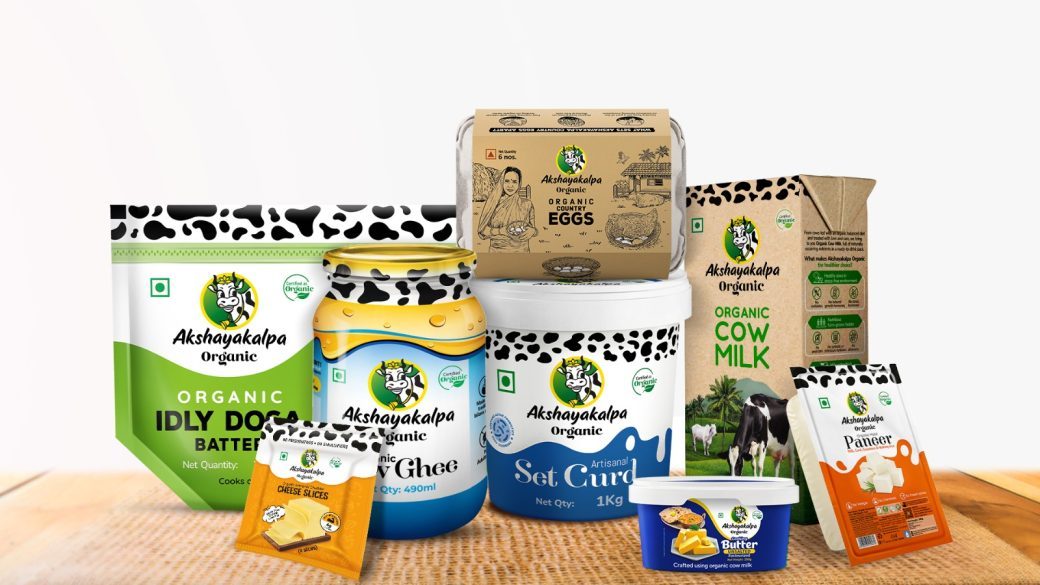
The company may need to decide where to stretch next. It could add more farmers, deepen its city presence, or broaden into value-added products. Value-added means products like curd, butter, paneer, or yogurt that can earn more than plain milk.
Each path has trade-offs. More farmers can lift supply, but training and checks take work. More products can lift revenue, but factory and cold-chain costs also rise.
That is why Akshayakalpa growth is a useful business case. It shows that a focused food brand can become large with a relatively small supplier base. It also shows that premium trust, once earned, can be a real moat. A moat is a business advantage that makes it harder for rivals to copy you.
A clear way to say it is this:
Akshayakalpa growth shows that in India’s dairy market, a company does not always need the biggest farmer network to build a big business. It can grow by paying close attention to quality, trust, and a specific customer who is willing to pay more.
That idea connects with a wider shift in business. Some firms are learning that sharp focus can beat size alone. We have seen a version of that in tech too, like our coverage of VibeThinker-3B, a tiny AI model that beat larger rivals on some tests.
For readers, the lesson is simple. Behind the Rs 700 crore figure are two engines. One is customer trust. The other is 2,800 farmers whose work had to meet a higher bar, day after day.
For source context, readers can also check India’s dairy data from the Department of Animal Husbandry and Dairying and broader farm statistics from the FAO.
FAQs
What is Akshayakalpa growth?
Akshayakalpa growth is the company’s rise into a roughly Rs 700 crore organic dairy business built with about 2,800 farmers.
Why is 2,800 farmers a big deal?
It is a small supplier base for a dairy business of this size. That makes the company’s scale look unusual in India.
How does Akshayakalpa stand out?
It focuses on organic dairy, tighter quality checks, and brand trust. Those features can help it charge premium prices.
Why does this matter to consumers?
It shows how the milk you buy is becoming a quality choice, not just a daily habit. Many people now care more about source, safety, and farming methods.