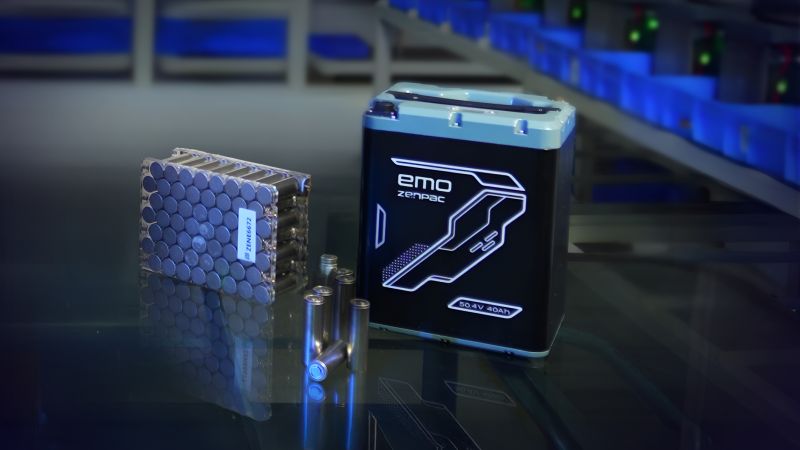
Emo Energy valuation has jumped to about Rs 860 crore in a new funding round. Emo Energy valuation is the company’s estimated worth, or the price investors think the startup is worth today. The Bengaluru startup makes battery systems for electric vehicles, so this jump tells us investors see fast growth ahead.
Key takeaways
- Emo Energy valuation rose sharply to around Rs 860 crore in a pre-Series B round.
- The company builds battery packs and related systems for electric vehicles.
- A pre-Series B round means a startup is raising money after early rounds but before a larger Series B.
- The jump suggests investors expect more sales, scale, and demand in India’s EV market.
Why is the Emo Energy valuation making news?
The big reason is the speed of the rise. According to Entrackr, the startup’s value has climbed about 43 times to Rs 860 crore. That is huge by any standard, and it stands out even in India’s busy startup market.
Think of it like this. If a small shop was once valued at Rs 20 and then suddenly at Rs 860, people would ask what changed. Investors usually pay up only when they expect a company to grow much faster.
This is why the Emo Energy valuation matters beyond one startup. It shows where money may be moving next in India’s electric vehicle supply chain. A supply chain is the network that makes and delivers parts. In this case, that means batteries, parts, software, and assembly.
What does Emo Energy actually do?
Emo Energy builds battery systems for electric vehicles. These systems can include battery packs, electronics, and tools that help the battery work safely and well. In simple words, the company helps power EVs.
That matters because batteries are the most important and costly part of many electric vehicles. A battery pack is a group of battery cells joined together. It stores energy, much like a large power bank, but for a scooter, bike, or other EV.
India’s EV market is still young, but it is growing fast. Two-wheelers are a big part of that story because they are cheaper than cars and easier to use in cities. So startups that make battery tech can become very important, very quickly.
Who invested, and what is a pre-Series B round?
Entrackr reported that the company raised the money in a pre-Series B round. A funding round is when investors put money into a company in exchange for ownership. Pre-Series B usually comes after seed and Series A rounds, but before a larger scale-up round.
This stage often means a startup has moved past the idea phase. It may already have products, customers, and early revenue. Revenue is the money a company earns from sales. Investors then back it to grow faster, hire more people, or build more capacity.
The reported post-money valuation stands at around Rs 860 crore. Post-money valuation means the company’s value after the new money comes in. That number matters because it shows how much investors think the business could be worth in the future.
How big is Rs 860 crore, really?
Rs 860 crore is about Rs 8.6 billion. That is a lot for a startup that is still in a growth stage. If you divide Rs 860 crore by 43, the earlier value was roughly Rs 20 crore, which shows just how dramatic the change is.
Here is a simple look at the jump in the Emo Energy valuation.
Emo Energy valuation jumpEarlierNow~20860Figures in Rs crore
The chart is not exact to every rupee, but it shows the scale clearly. One bar barely lifts off the ground. The other shoots up near the top.
| Measure | Figure | What it means |
|---|---|---|
| Latest valuation | Rs 860 crore | Estimated company worth after the round |
| Reported jump | 43x | About 43 times higher than before |
| Approx earlier valuation | ~Rs 20 crore | Rough estimate based on the reported multiple |
Why are investors excited about EV battery startups?
Because batteries sit at the heart of the EV business. If a startup can make batteries safer, cheaper, or longer lasting, it can become valuable very fast. That is especially true in India, where electric scooters and bikes are growing.
There is also a local manufacturing angle. India wants to make more key EV parts at home instead of importing them. Importing means buying from other countries. Local production can cut costs, reduce delays, and create jobs.
We have seen this pattern in other sectors too. For example, India expects big savings from local PCB production, showing how making parts at home can change costs. EV battery startups fit that same wider story.
And scale matters. If Emo Energy wins more vehicle makers as customers, revenue could rise quickly. That is likely one reason the Emo Energy valuation has drawn so much attention.
What does this mean for India’s startup and EV market?
First, it shows capital is still available for businesses with a clear use case. Capital means investment money. Even when startup funding feels slower, investors still chase sectors that look ready to grow.
Second, it points to a shift away from only consumer apps and toward deep technology. Deep technology means hard-to-build products based on engineering or science. Battery systems are tougher to build than an app, but they can also create strong long-term advantages.
This also fits a larger India manufacturing push. You can see similar industrial momentum in stories like PM MITRA textile parks and DCM Shriram’s smart factory recognition. They are very different sectors, but the signal is the same: investors and policymakers want more things built in India.
One simple way to say it is this:
Emo Energy’s new valuation shows investors are betting that the companies building EV parts, not just selling EVs, could be some of the biggest winners in India’s electric future.
Should readers treat startup valuations as a sure sign of success?
No. A valuation is not the same as profit, and it is not a guarantee. Profit is the money left after costs are paid. Startups can get high valuations and still face hard problems later.
For example, they may need to prove product quality, deliver on time, and keep costs under control. Battery companies also face safety pressure because one faulty pack can damage trust fast. So the Emo Energy valuation is exciting, but the real test comes next.
Readers should also remember that startup funding news often depends on filings and reported deal terms. Those details can change as rounds close fully. For primary context, readers can track corporate filings through the Ministry of Corporate Affairs and broad EV policy updates via the NITI Aayog.
How does this compare with other India growth stories?
It is part of a bigger trend. India is seeing strong interest in sectors tied to energy, manufacturing, chips, and advanced tech. We have also covered how India’s solar market crossed 150 GW, which shows how quickly clean-energy industries are moving.
That does not mean every company will win. But it does mean the market is rewarding startups that solve real hardware problems. Hardware means physical products you can build and touch, unlike software.
If Emo Energy uses this money well, it could scale production, improve battery design, and win larger customers. If it stumbles, the valuation may look too high later. Right now, though, the message from investors is clear.
FAQs
What is Emo Energy valuation?
Emo Energy valuation is the estimated worth of the startup based on investor interest and deal terms. The latest reported figure is about Rs 860 crore.
Why did Emo Energy valuation jump so much?
Investors likely see strong growth potential in EV batteries and energy systems. India’s electric two-wheeler market also makes this space more attractive.
Why does this funding round matter?
It suggests investors are looking beyond EV brands and into the companies that build the key parts. That could shape where startup money goes next in India.