Key takeaways
- Value fashion India is the part of clothing retail that sells trendy basics at low prices.
- It is growing because many families want style, but also need to watch every rupee.
- Retailers are opening more stores in smaller cities, where demand is rising fast.
- Low-cost fashion chains are using data, tight supply, and fast restocking to keep prices down.
- The shift matters because it may shape how India shops for clothes over the next decade.
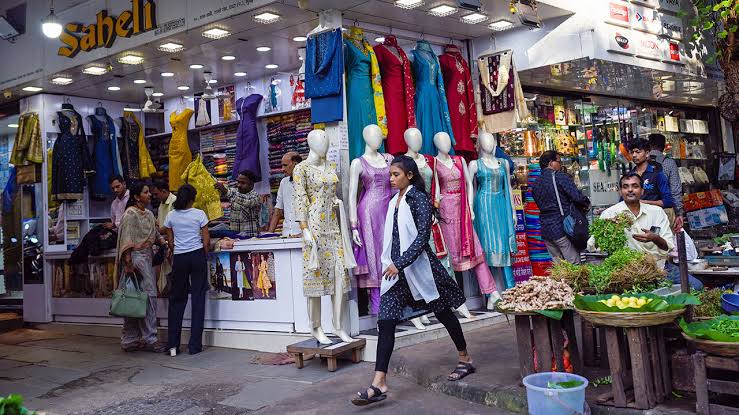
Value fashion India is low-price clothing retail for budget-minded shoppers. It means shirts, jeans, kurtas, and kidswear sold at prices many families can afford. Right now, value fashion India is becoming one of the biggest stories in retail, because shoppers want more for less.
Why is value fashion India growing so fast?
The short answer is simple. People still want to dress well, but many are careful with money. Food, school, rent, and travel cost more now, so families look for cheaper fashion that still feels fresh.
That helps chains that sell T-shirts, denim, innerwear, and daily basics at entry prices. Entry price means the lowest price that gets a shopper in the door. For example, a store may sell a T-shirt for Rs 199, leggings for Rs 299, or a kidswear set for under Rs 500.
This is not only about saving money. It is also about access. A family in a tier 2 or tier 3 city now has more modern stores nearby, so they do not need to rely only on local markets.
India has a huge young population, and young shoppers buy often. They may not spend a lot each time, but they shop more often for basics. As a result, low-ticket fashion can build large sales through volume. Volume means selling many pieces, even if profit per piece is small.
What makes value fashion India different from premium fashion?
Premium fashion sells brand image, fabric stories, and high prices. Value fashion India sells usefulness first. The promise is simple: decent style, fair quality, and a price that does not hurt.
That matters in a country where income levels vary a lot. One shopper may buy a Rs 3,000 shirt at a mall. Another may need two shirts for the same amount. Value chains win the second customer, and there are millions like them.
Many brands also design for local needs. They stock festive wear, school basics, work clothes, and family packs. So the business is not just about fashion trends from big cities. It is about everyday life across India.
Retailers also avoid waste. They often keep fewer styles than premium stores. That cuts markdowns, which are price cuts on unsold goods. Fewer markdowns help protect profits.
Where is the biggest demand coming from?
A lot of action is coming from smaller cities and towns. These places are sometimes called non-metro markets. That just means places outside the biggest urban hubs like Delhi, Mumbai, and Bengaluru.
Rising roads, better phones, and digital payments are helping. UPI, India’s instant payment system, makes checkout easy. Shoppers can compare prices online, then buy in stores if the deal looks good.
Many chains now open compact stores in busy local markets. Compact means smaller and cheaper to run. That helps brands expand faster without spending too much on rent.
One reason this works is simple math. If a brand opens 100 small stores instead of 20 large ones, it can reach more families. Even if each store sells less, the total network can grow faster.
What is driving value fashion India?Budget pressureHighSmaller-city demandStrongFast restockingRisingSource context: industry trend discussion and retailer expansion patterns
How do retailers keep prices so low?
They plan very tightly. They buy large volumes, keep stores simple, and move goods fast. Fast inventory turns are a big part of this. Inventory means the clothes sitting in stores or warehouses.
If a shirt stays unsold for 120 days, that locks up cash. If it sells in 30 days, the brand can refill quickly. That cycle helps companies use the same money again and again.
Some retailers also produce closer to demand. They place smaller orders first, then repeat bestsellers. This lowers fashion risk, because brands do not overbet on one design.
Private labels matter too. That means store-owned brands instead of outside labels. Private labels usually give better margins, which is the share left after direct costs.
| Retail model | Typical price feel | Main appeal | Big risk |
|---|---|---|---|
| Value fashion | Low | Affordability and basics | Thin margins |
| Mid-market fashion | Moderate | More choice and better finish | Slower demand |
| Premium fashion | High | Brand image and quality | Weak demand in tight budgets |
Why does this matter for India’s retail future?
Because clothing is one of the most visible parts of consumer spending. Consumer spending means what households buy with their money. If shoppers shift toward value, brands across retail must respond.
That could change store design, supply chains, and even mall planning. Supply chain means the path from factory to shelf. Retailers may choose lower-cost formats and faster restocking over expensive, flashy stores.
It also tells us something bigger about India’s economy. Demand exists, but it is price sensitive. Price sensitive means a small change in price can affect buying decisions a lot.
For investors, this trend is a signal. For workers, it can mean more store jobs and warehouse jobs. For shoppers, it means more options at lower prices, but also tougher choices about quality.
This trend fits a wider story in India. People are spending carefully across categories, not just fashion. You can see the same pressure in savings-linked topics like how EPFO decides your PF interest rate and in market mood stories like India’s PMS client base falling during volatility.
Are online shopping and offline stores fighting each other?
Not really. In many cases, they help each other. A shopper may see prices online first, then visit a nearby store to check size and fabric.
Offline still matters a lot in fashion because fit is personal. A size medium in one brand may feel like a large in another. So stores remain useful, especially for families buying together.
Meanwhile, online channels help value retailers learn faster. They can spot which color, size, or style sells best. Then they send more of that item to stores.
This is why data has become important even in low-price fashion. Data just means useful information from sales. In fact, even AI tools are changing retail decisions, as seen in stories like AI-generated fake receipts changing expense fraud and workers saying AI already handles half their work.
What should shoppers and businesses watch next?
Watch three things. First, store expansion in smaller cities. Second, whether low prices stay low if cotton, wages, or rent rise. Third, whether shoppers trade up once incomes improve.
Numbers will matter here. India’s apparel market runs into tens of billions of dollars, depending on the estimate. Even a 1% shift in market share can mean hundreds of crores in sales moving from one format to another.
A brand that adds 200 stores in two years can move fast. But if each store is only mildly profitable, growth may look better than it feels. Profitability means how much money is left after costs.
For now, the direction looks clear. Value fashion India is not a side story anymore. It is becoming the core retail play for brands chasing scale, because millions of shoppers want clothes that look fine, feel fine, and fit the family budget.
For background, readers can also check primary data from the India Brand Equity Foundation retail sector page and broader household spending signals from the Ministry of Statistics and Programme Implementation.
India’s value fashion boom is simple to explain: shoppers still want new clothes, but many now care more about price than brand prestige.
FAQs
What is value fashion India?
It means affordable clothing retail in India. These stores focus on low prices, basics, and family shopping.
Why are value fashion stores growing in smaller cities?
Because demand is rising there, while rents are often lower than in big metros. That makes expansion easier.
How do value fashion brands make money?
They sell large volumes, control costs, and restock fast. They also use private labels to keep margins healthier.