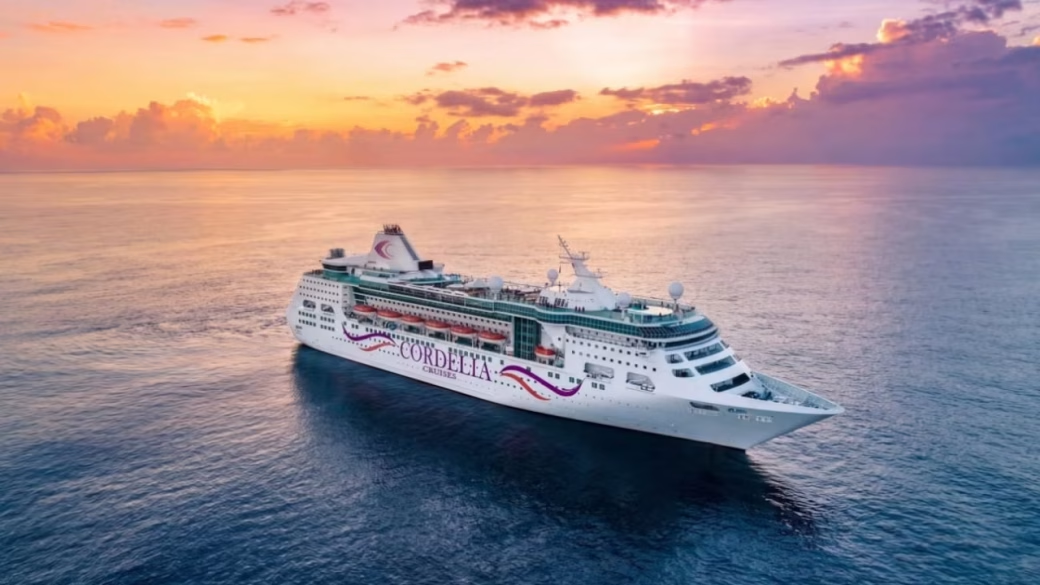
Mumbai cruise tourism is getting a fresh push as big global cruise companies look harder at India. Mumbai cruise tourism means travel by large holiday ships that bring people to and from the city. Mumbai Port wants more ships, more routes, and more visitors. That could turn Mumbai into a bigger sea-travel hub in the next few years.
Key takeaways
- Mumbai Port is trying to attract more global cruise operators to India.
- India wants cruise travel to grow faster, because the sector still looks small next to air and rail travel.
- Mumbai has a strong edge with its location, airport links, hotels, and tourist sites.
- More cruise calls could mean extra spending on transport, food, shopping, and local jobs.
Why is Mumbai cruise tourism back in focus?
The simple reason is demand. Global cruise firms are searching for new routes in Asia, and India is a large market with long coastlines. Mumbai is often the first name on that list because it already has a busy port, a major airport, and famous places nearby.
Mumbai Port is now trying to turn those strengths into regular cruise business. A cruise operator is a company that runs holiday ships. If more of those firms place ships on India routes, Mumbai could become both a starting point and a stop on longer regional trips.
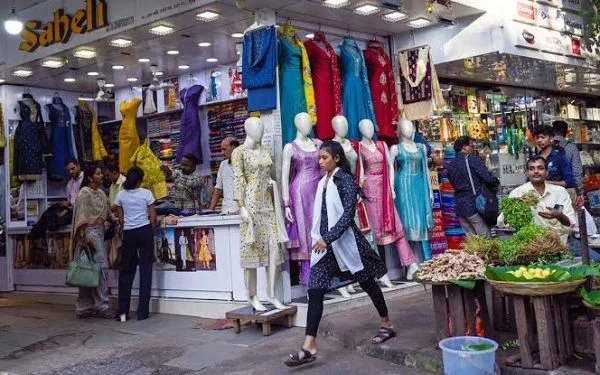
This matters because cruise passengers spend money far beyond the ship. They pay for cabs, hotels, meals, tours, and shopping. So one ship visit can help many small businesses in the city.
What exactly are global cruise lines looking for?
They want ports that are easy, safe, and quick to use. That means smooth passenger handling, clean terminals, customs support, and transport links. Customs is the border check for people and goods. If passengers can move fast, cruise firms save time and money.
They also look for strong local tourism. Mumbai offers the Gateway of India, museums, food streets, film culture, and short links to nearby attractions. For foreign visitors, that mix makes the city more than just a docking point.
Another factor is route design. Cruise companies need enough interesting stops on one journey. That is why India’s west coast matters. Mumbai can connect with Goa, Kochi, and even overseas ports in the Gulf or Southeast Asia, depending on the trip plan.
How big is the opportunity for Mumbai cruise tourism?
The opportunity looks large, even if India is still early in the game. The global cruise industry carries tens of millions of passengers a year. India handles only a small slice of that, so even modest gains could look big here.
Government and port officials have talked for years about raising cruise traffic. In many policy papers, the goal has been to move from a niche segment to a mainstream travel option. A niche segment is a small part of a market. Right now, that is where cruising still sits in India.
Here is a simple way to picture it. If a cruise ship brings 2,000 passengers and even half spend money onshore, local business gets a strong bump in just one day. If 100 such ship calls happen in a year, the effect grows fast.
Mumbai cruise tourism: simple spending picture1 ship call50 calls100 calls2,000 pax100,000 pax200,000 paxPassengers
The chart above is only an illustration, not an official forecast. But it shows why ports care. A small rise in ship calls can quickly turn into a large rise in footfall. Footfall means the number of people visiting a place.
What makes Mumbai different from other Indian ports?
Mumbai has an advantage that is hard to copy. It combines a major city, a historic harbour, and strong travel links in one place. A visitor can leave the ship and reach tourist spots, rail stations, or the airport without wasting a whole day.
That saves time for cruise operators. It also helps passengers, especially older travellers and families. Many people trying cruises for the first time want easy boarding and simple city access.
Mumbai also benefits from wider changes in Indian travel. More Indians are taking premium holidays, and some are trying sea travel for short breaks. Premium means higher-priced and more comfort-focused. That trend could support both domestic and international cruise routes.
| Factor | Why it helps Mumbai |
|---|---|
| Location | Good base for west coast and regional cruise routes |
| Airport links | Easy for foreign and domestic flyers to join a ship |
| Tourism | Strong mix of heritage, food, shopping, and culture |
| City scale | Hotels, transport, and services already exist |
What hurdles could slow Mumbai cruise tourism?
There are still real challenges. Cruise travel needs smooth rules across immigration, customs, security, and port timing. Immigration is the process that checks people entering a country. If those steps drag, cruise firms may choose easier ports elsewhere.
Pricing also matters. Port charges are the fees ships pay to use a port. If those charges are too high, routes become harder to sell. Operators compare costs across countries, so India must stay competitive.
Seasonality can be another issue. That means some months work better than others because of weather. Rough seas or heavy rain can affect schedules, especially during the monsoon.
Then there is awareness. Many Indian travellers still see cruises as rare or very costly. Some sailings are pricey, but short trips can be easier to try than people think.
Why does this matter for India’s wider economy?
Because cruise business is not only about ships. It supports hotels, guides, bus companies, caterers, event planners, and port workers. In simple terms, one arriving ship can spread income across many parts of the city.
That fits a larger story in transport and infrastructure. India is upgrading factories, ports, and industrial zones to pull in more business. You can see that push in stories like PM MITRA textile park bids moving ahead and DCM Shriram’s Jhagadia plant joining the WEF lighthouse network.
It also links with tourism and spending power. As households spend more on travel, new formats get a chance. That broader consumer shift sits beside other money stories, like changes in PMS client numbers during market swings and practical savings topics such as how EPFO interest is calculated.
A clear takeaway readers can quote is this: Mumbai cruise tourism could grow fast if ports make boarding easy, keep charges workable, and give travellers enough strong routes to choose from.
What should readers watch next?
Watch for actual ship deployment, not just plans. Deployment means where a company places its ships. If major brands announce regular Mumbai sailings, that is a stronger signal than early talks.
Also watch terminal upgrades and policy changes. Better terminals can process passengers faster. You can follow India’s port and shipping policy updates through official releases from the Ministry of Ports, Shipping and Waterways and broader tourism data from the Ministry of Tourism.
Numbers will matter too. If passenger traffic, ship calls, and route count rise over the next 12 to 24 months, the story becomes real. Until then, Mumbai has a promising opening, but it still has to prove it can turn interest into regular business.
FAQs
What is Mumbai cruise tourism?
Mumbai cruise tourism is travel by holiday ships that start from, end at, or stop in Mumbai. It includes both Indian and foreign passengers.
Why are global cruise lines looking at Mumbai?
They see a large travel market, a strong city brand, and a useful west coast location. Mumbai also has airport links and tourist attractions close to the port.
How could Mumbai cruise tourism help local people?
More cruise visits can bring work for drivers, guides, shops, hotels, and port staff. So the money does not stay only with the ship company.