NSE IPO explained: the National Stock Exchange wants to sell shares to the public, but it still needs key approvals. An IPO is the first time a company offers shares on the stock market. This case is unusual because NSE already runs India’s biggest trading market, so regulators are checking it very closely.
Key takeaways
- NSE has filed papers to move ahead with its long-awaited public listing.
- The exchange cannot list on its own platform, so any listing would happen on another exchange.
- Regulators are watching governance, technology, and past legal issues before giving a final green light.
- NSE is a large and profitable market business, with strong trading and clearing income.
What is the NSE IPO explained in plain words?
The NSE IPO explained story is really about access and trust. Regular investors want a chance to own a slice of India’s biggest stock exchange. But a stock exchange is not a normal company, because it also makes the rules for trading and watches the market.
That creates a basic question. How do you let the market operator become a listed company without causing conflicts? A conflict means two interests can clash. In this case, profit goals could clash with the duty to run a fair market.
NSE, or the National Stock Exchange, is the biggest exchange in India by trading activity. An exchange is the place where buyers and sellers trade shares, bonds, and derivatives. Derivatives are contracts whose value comes from another asset, like a stock index.
Why does the NSE IPO matter so much?
This is not just another share sale. NSE sits at the heart of India’s financial system, so its listing would be one of the country’s most watched market events. It could also unlock value for early investors, employees, and other shareholders who have waited years.
People care because NSE is huge. In cash equities, it handles a major share of trading volume in India. It is even more dominant in derivatives, which is where much of its transaction income comes from.
It also matters because the Indian IPO market has been busy. We have seen fresh capital plans across finance and infrastructure, including Yes Bank’s ₹16,000 crore fund-raise approval and the Project Jupiter plan tied to a future Jio IPO. An NSE listing would sit in a very different class, because it involves the market’s own gatekeeper.
Why can’t NSE list on NSE?
This is one of the most searched questions in the NSE IPO explained topic. The short answer is fairness. If NSE listed on its own exchange, it would end up supervising trading in its own shares, and that would raise obvious conflict concerns.
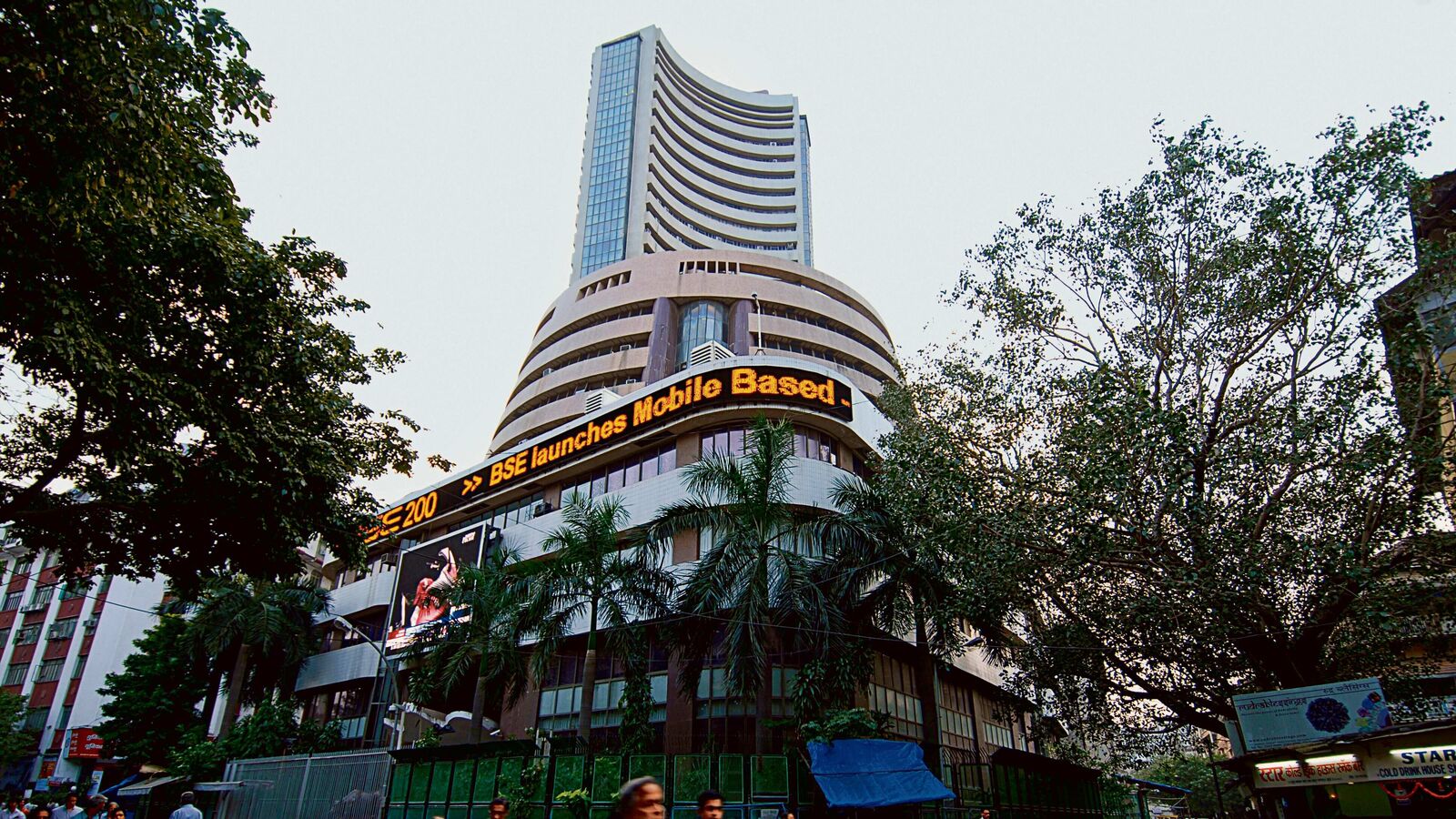
So, if NSE lists, it would need to do so on another exchange, most likely BSE. BSE is the Bombay Stock Exchange. It is India’s other major stock exchange and also a listed company.
That setup is not just about optics. It helps create outside oversight for price discovery. Price discovery means the market finding the right share price through real buying and selling.
How does NSE make money?
The core of the NSE IPO explained story is its business model. NSE earns money from transaction charges, listing fees, data services, clearing services, and other market infrastructure activities. Clearing means making sure trades are completed properly and money and shares actually change hands.
Its business has scale. Once the exchange builds the technology and network, extra trading can add revenue fast. That is why exchange businesses often look attractive to investors, especially when market activity stays high.
Here is a simple comparison of key parts of the model:
| Revenue area | What it means | Why it matters |
|---|---|---|
| Transaction charges | Fees on trades | Main income driver |
| Listing fees | Charges to companies raising money | Supports IPO market business |
| Data services | Market data sold to users | High-margin side business |
| Clearing services | Trade settlement support | Critical for market safety |
NSE’s profits have stayed strong in recent years, according to its filings and public disclosures. The exact figures can change by period, but reports have pointed to revenue in the multi-thousand-crore range and profit after tax also in the thousands of crores. Profit after tax means the money left after all costs and taxes are paid.
For readers tracking exchange business trends, that puts NSE in a very different bucket from ordinary firms. It is more like core market plumbing. Plumbing is not flashy, but everyone notices when it fails.
What are the biggest risks holding the IPO back?
The NSE IPO explained debate is not really about demand. It is about approval, governance, and cleanup. Governance means how a company is run, who checks decisions, and whether rules are followed.
NSE’s long path to listing has been shaped by past regulatory issues, especially the co-location case. Co-location was about some brokers allegedly getting faster access to NSE’s trading system. Faster access can matter in markets because even tiny time gaps can give an edge.
Regulators want confidence that such issues are addressed fully. That includes legal closure, internal controls, and systems that reduce the chance of repeat problems. Internal controls are checks inside a company that help stop errors or abuse.
There is also a broader concern. If a stock exchange becomes too focused on quarterly results, it might face pressure to push growth harder. That is not always bad, but regulators must make sure market safety comes first.
NSE IPO: what investors watchBusiness scaleProfit strengthRegulatory progressRisk overhang
What do the numbers suggest?
Numbers help, so let’s keep them simple. NSE has more than 100 shareholders, based on public reporting around its ownership structure. Its large backers have included institutions, insurance firms, and private investors.
Another key number is zero. That is the number of shares it can list on its own exchange. It sounds funny, but it shows why this IPO is unusual from the start.
And here is a useful scale point: India’s market infrastructure handles billions of rupees in trades every day. NSE sits in the middle of that flow, especially in derivatives. That gives it power, but also brings heavy responsibility.
For a wider market backdrop, readers may also want to see how Sathya Agencies won Sebi approval for a ₹600 crore IPO and how IIFCL’s $1 billion loan plan shows India’s broader capital push. These are very different stories, but they show how much attention funding and market access are getting right now.
Where does the IPO process stand now?
The broad process starts with filing draft papers, often called a DRHP. A DRHP is a Draft Red Herring Prospectus. It is the document that tells investors about the business, the risks, the finances, and the share sale plan.
From there, the regulator reviews the filing and can ask questions. In India, that regulator is Sebi, the Securities and Exchange Board of India. Sebi’s job is to protect investors and keep markets fair.
For the latest official rules and filings, readers can check Sebi and NSE’s official website. Primary sources matter because IPO timelines can change quickly.
NSE’s IPO is simple to explain but hard to finish: a very profitable exchange wants to list, yet regulators must first be sure the market’s referee can also be a public company without harming fairness.
What should investors watch next?
The next clues will come from regulatory comments, legal progress, and the final issue structure. Issue structure means how the share sale is designed. For example, it will show whether existing shareholders are selling shares, whether fresh shares are issued, or both.
Investors should also watch valuation. Valuation means the price tag the market puts on a company. A great business can still be a poor buy if the asking price is too high.
The NSE IPO explained story will stay big because it mixes money, rules, and trust. It is not just about whether the IPO happens. It is about whether India’s biggest exchange can enter the market as a listed company and still keep the market confident in its fairness.
NSE IPO explained: what is the bottom line?
Here is the plain answer. The NSE IPO explained case is not blocked by lack of interest. It is slowed by the need for regulatory comfort, clean governance, and a listing structure that avoids conflicts.
If those pieces fall into place, the IPO could become one of India’s landmark market events. But until then, investors should treat it as a watch-and-wait story, not a done deal.
FAQs
Why is the NSE IPO taking so long?
Because regulators are reviewing past issues, governance standards, and listing rules very carefully.
What does DRHP mean in the NSE IPO explained story?
DRHP means Draft Red Herring Prospectus. It is the first big IPO document filed for review.
Who would host the NSE listing?
NSE cannot list on itself, so a listing would need to happen on another exchange, such as BSE.