Behind the doors of Reliance Industries, a covert and hyper-secretive corporate blueprint code-named Project Jupiter—named for its massive planetary scale and ambition—was orchestrated by Mukesh Ambani to prepare Jio Platforms for India’s largest-ever Initial Public Offering (IPO).
While Ambani publicly promised shareholders in August 2025 that Jio would seek a listing in the first half of 2026, the underlying execution required solving three massive hurdles: aligning global tech giants, changing regulatory frameworks, and maintaining absolute secrecy.
1. The Stealth Mode: Banning Digital Footprints
To prevent market speculation and competitive leaks, Project Jupiter was executed with extreme confidentiality from its launch in October.
- Physical-Only Documents: Draft prospectuses, financial models, and internal memos were circulated almost entirely in physical printed form.
- The Email Ban: Electronic communication and emails regarding the deal structure were kept to an absolute minimum to avoid creating searchable digital trails.
- Delayed Bank Appointments: While heavyweights like Kotak Mahindra Capital and Morgan Stanley were quietly working on the deal by October, they weren’t formally appointed until December. This rare arrangement allowed banks to shape the deal behind closed doors before anything hit public registries. The syndicate eventually grew to 19 advisors.
2. The Pro-Rata Pact: Aligning Big Tech and Private Equity
One of Ambani’s steepest hurdles was managing the star-studded cap table Jio built during its $20 billion fundraising blitz in 2020. Getting global behemoths to agree on valuation and exit terms required complex negotiation.
Ultimately, marquee investors including Meta Platforms, Alphabet (Google), and KKR & Co. agreed to dilute approximately 8% of their holdings on a strict pro-rata (proportionate) basis. This masterstroke allowed Jio to meet mandatory public float requirements while perfectly preserving the relative ownership power and balance between the existing tech giants.
3. The Pivot: From OFS to All-Primary Cash
The architecture of the IPO underwent a massive structural shift late in the game due to shifting global macro conditions:
[ Original Plan: Offer for Sale (OFS) ] ──► Existing investors sell 2.8% stake ──► Dollars leave India
                                                       │
                                                       ▼ (The Market Pivot)
                                       • Weak global markets & weak rupee hurt dollar returns
                                       • Shareholders balk at secondary valuations
                                                       │
                                                       ▼
[ Final Plan: All-Primary Issuance  ] ──► Jio issues 27 crore fresh shares ──► ~$4 Billion stays in Jio
By switching from an OFS to a 100% fresh, primary share issuance, Ambani ensured that the $4 billion (approx. ₹33,000+ crore) raised would go directly onto Jio’s balance sheet to fund further growth and network expansion, while giving foreign capital a strong reason to stay inside the country.
4. The Regulatory Breakthrough
A mega-listing of this size would have been heavily restricted under older SEBI guidelines. Project Jupiter successfully navigated a changing regulatory landscape:
| The Regulatory Hurdle | The Pre-Existing Rule | The SEBI Easing (March 2026) |
| Minimum Dilution Requirement | Large companies were required to dilute at least 5% of their equity at the time of the IPO. | SEBI reduced the minimum threshold down to 2.5% for mega-firms valued above ₹5 lakh crore ($60 billion). |
| Jio’s Application | Forcing a 5% dilution on a company of Jio’s size would have flooded the market with too much paper. | Jio’s draft prospectus filed on June 19 features an elegant 2.9% equity dilution (27 crore shares), sliding perfectly into the new legal limit. |
The Grand Finale
On June 19, 2026, within hours of Ambani declaring Jio fully prepared for the public eye, bankers who had been primed for months submitted the draft red herring prospectus (DRHP) at a moment’s notice.
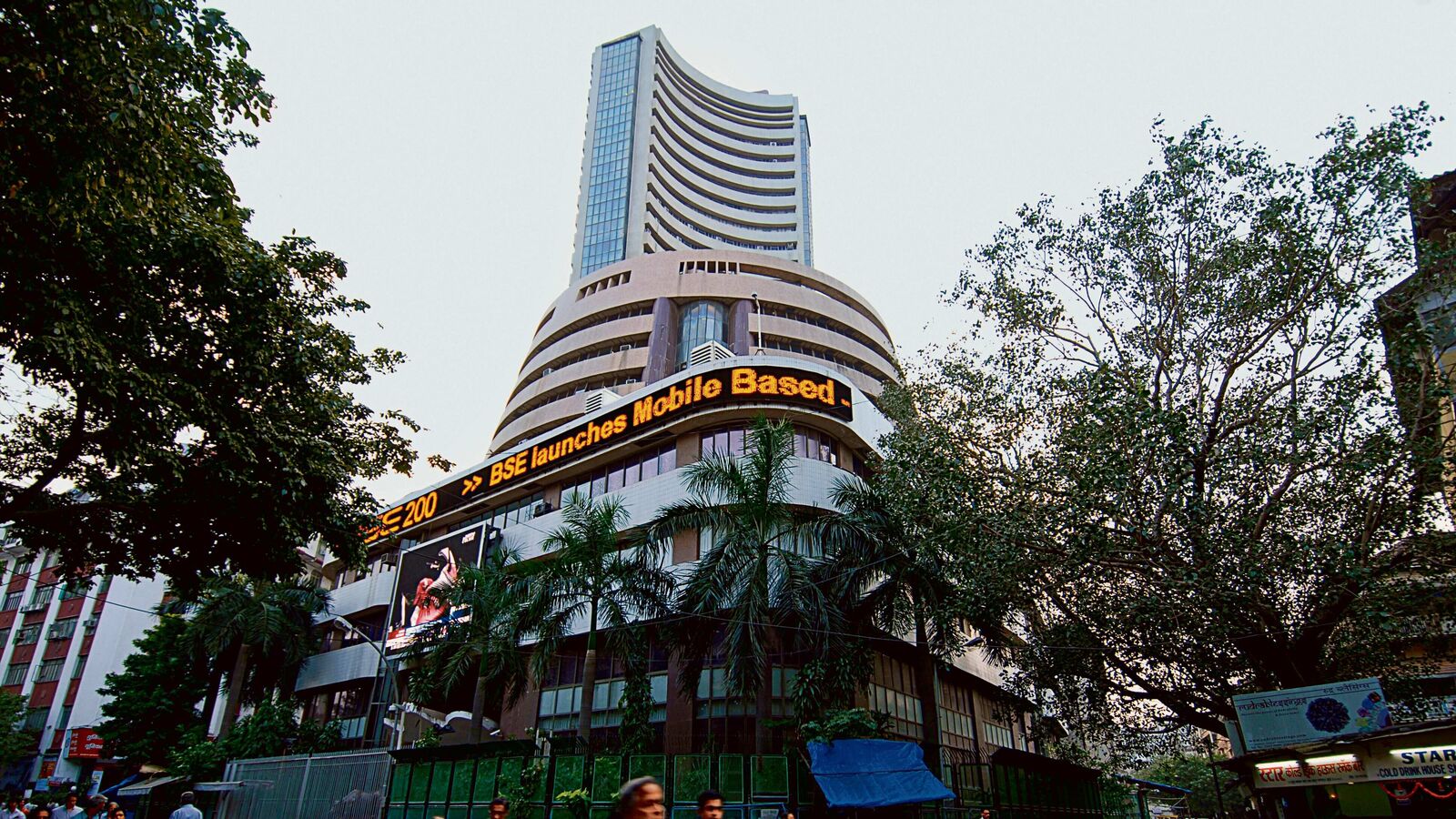
The listing marks the Reliance Group’s first major public offering since Reliance Petroleum went public in 2006, positioning the telecom and digital giant as a sovereign market anchor on Dalal Street.