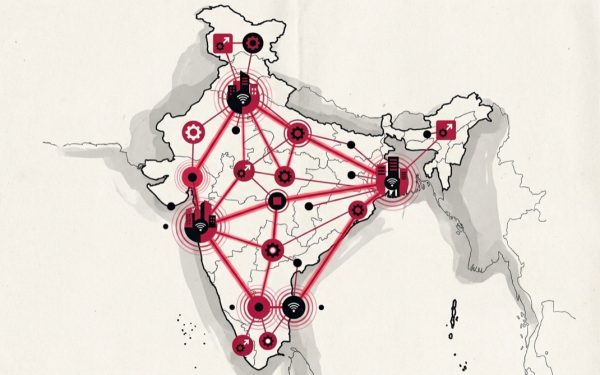
An angel investor is a wealthy individual who puts their own money into a very early-stage startup — usually in exchange for equity (an ownership stake) or a convertible note — long before banks or large venture capital firms are willing to step in. In India, angels typically write cheques of roughly ₹5 lakh to ₹2 crore, often investing together through angel networks and SEBI-registered Angel Funds, and they accept a high risk of losing the entire amount in exchange for the small chance of a very large return if the company succeeds.
What is an angel investor?
An angel investor (sometimes called a business angel, seed investor or private investor) is an affluent individual who provides capital to a startup at its earliest, riskiest stage — typically the idea, prototype or first-revenue phase. Unlike a bank, an angel does not lend money to be repaid with interest. Instead, the angel buys a piece of the company, becoming a part-owner who profits only if the business grows and someone later buys those shares at a higher price.
The term reportedly comes from Broadway, where wealthy patrons “angels” funded theatre productions that no one else would back. In the startup world, angels play the same role: they bridge the gap between the money a founder can raise from friends and family and the larger rounds led by professional venture capital firms.
What angels bring beyond money
Good angel investors are valued for more than their cheque. Because many are themselves former founders, senior operators or domain experts, they often provide:
- Mentorship and product feedback in the fragile first year.
- Network access — warm introductions to hires, customers and later-stage investors.
- Credibility — a respected angel on the cap table signals quality to the next round of investors.
- Hands-on help with hiring, pricing, go-to-market and fundraising strategy.
Angel investor vs venture capital: what is the difference?
Angels and venture capitalists (VCs) both fund startups for equity, but they operate very differently. The simplest distinction: an angel invests their own money; a VC invests other people’s money. A VC firm raises a pooled fund from outside investors — called Limited Partners or LPs, such as family offices, pension funds and corporates — and then deploys that fund into startups while charging a management fee and a share of profits.
| Feature | Angel investor | Venture capital (VC) |
|---|---|---|
| Source of money | Own personal wealth | A pooled fund from outside LPs |
| Typical stage | Pre-seed & seed (earliest) | Seed to Series A, B, C and beyond |
| Typical cheque (India) | ~₹5 lakh – ₹2 crore | ~₹2 crore to hundreds of crore |
| Decision speed | Fast — one person decides | Slower — committee & due diligence |
| Involvement | Mentor / advisor, usually no board seat | Often takes a board seat & governance rights |
| What they want | Belief in founder & idea | Traction, metrics & a path to scale |
In practice the two are complementary. Angels get a startup off the ground; VCs pour fuel on a business that is already showing signs of working. A founder will often raise a small angel round first to build a product and find early customers, then use that progress to attract a larger VC-led seed or Series A. Many angels deliberately invest early because they hope a VC will mark up the company’s value in the next round.
How angel investing works in India
Angel investing in India can happen in three broad ways, and most active angels use a mix of all three.
1. Direct / solo angel investing
You find a startup yourself, negotiate the terms, sign the paperwork and transfer money directly in exchange for shares or a convertible instrument. This gives you full control but demands that you do your own sourcing, due diligence, legal work and valuation — a lot of effort for one deal.
2. Angel networks and syndicates
An angel network is an organised group of individual angels who meet regularly, review pitches together, and pool small cheques into a single larger investment. A syndicate is a similar but often more ad-hoc arrangement, usually led by one experienced “lead” angel who sources the deal, negotiates terms and invites others to co-invest behind them. Networks and syndicates lower the barrier to entry: you can participate with a smaller cheque, share due-diligence work, and lean on more experienced members. India’s well-known networks include Indian Angel Network, Mumbai Angels, LetsVenture, AngelList India and several city- and community-based groups.
3. SEBI-registered Angel Funds (AIF Category I)
An Angel Fund is a regulated pooled vehicle — a sub-category of a Category I Alternative Investment Fund (AIF) under SEBI’s AIF Regulations. Instead of investing deal-by-deal, you become an “angel investor” in the fund, commit capital, and a professional manager deploys it across multiple startups. SEBI sets eligibility conditions for who can be an angel investor in such a fund (based on net worth or relevant experience) and rules on minimum investments and holding periods. This route is more hands-off and compliant but less flexible than picking your own deals.
The instruments: equity, CCPS and convertible notes
Angels in India usually invest through one of three instruments. Equity shares give you direct ownership at an agreed valuation. Compulsorily Convertible Preference Shares (CCPS) are the most common instrument in priced rounds — they convert into equity later and carry preferential rights. Convertible notes / SAFE-style instruments let you invest now and fix the valuation later (at the next priced round), which is faster when it is hard to value a very young company. The right instrument is a legal and tax decision; founders and angels typically take professional advice before signing.
How to start angel investing in India
You do not need to be a billionaire to begin, but you do need risk-capital you can afford to lose and a plan. Here is a practical path.
Step 1 — Check that you can afford the risk
Angel money should be capital you can lock away for 5–10 years and potentially lose entirely. A common rule of thumb among experienced investors is to allocate only a small slice of your overall net worth to this asset class. Never use emergency funds, borrowed money or money earmarked for goals like a home or your children’s education.
Step 2 — Join a network or platform
For most beginners, the smartest first move is to join an established angel network or an online platform such as LetsVenture or AngelList India. You get curated deal flow, standardised paperwork, the ability to write small cheques, and the chance to learn by watching how lead investors evaluate companies.
Step 3 — Learn to evaluate deals
Angels weigh a handful of core factors: the founding team (the single biggest predictor at this stage), the size of the market, early traction or proof of demand, the product’s edge, the business model, and the valuation you are being asked to pay. Do basic due diligence: verify the company is properly incorporated, read the cap table, understand the terms, and speak to a few customers if you can.
Step 4 — Decide your cheque and instrument
Set a per-deal cheque you are comfortable with and stick to it. Confirm whether you are buying equity, CCPS or a convertible instrument, and review the term sheet carefully — clauses on liquidation preference, anti-dilution and pro-rata rights can materially change your outcome.
Step 5 — Build a portfolio, not a bet
Because most startups fail, angel returns come from spreading money across many companies and letting a few big winners carry the portfolio. Plan to make multiple small investments over a few years rather than putting everything into one “sure thing.”
Cheque sizes, ownership and returns
Angel cheques in India vary widely. A solo angel in a syndicate might commit as little as a few lakh, while a high-profile lead may put in ₹1–2 crore or more. A reasonable working range for an individual angel is roughly ₹5 lakh to ₹2 crore per deal, with the total round (from all angels combined) often falling between a few tens of lakh and a few crore.
How returns actually work
An angel makes money only at an exit — when the startup is acquired, when later investors buy out early shares (a secondary sale), or, rarely, at an IPO. Until then the investment is illiquid: you cannot easily sell startup shares the way you sell listed stocks. Exits typically take many years, and the majority of early-stage startups never deliver one.
| Outcome (illustrative) | What it means | Effect on a portfolio |
|---|---|---|
| Total loss | The startup shuts down; shares worth nothing | The most common single outcome |
| Return of capital / small gain | Modest exit; you roughly get your money back | Keeps the portfolio afloat |
| Solid multiple (3–10x) | A successful exit at a good valuation | Drives meaningful returns |
| Outlier (20x+) | A breakout company; a single huge winner | Can pay for all the losses combined |
This is why experienced angels talk about a “power law”: in a diversified angel portfolio, a small number of outsized winners typically generate most of the total return, while many investments return little or nothing. The figures above are illustrative buckets to explain the pattern, not predictions — real outcomes depend entirely on the specific companies and the market.
Angel tax in India explained
“Angel tax” is the informal name for a tax that, for years, was one of the most controversial issues in Indian startup funding. It refers to the provision under Section 56(2)(viib) of the Income-tax Act, 1961, under which the amount a company raised by issuing shares above their fair market value could be treated as “income from other sources” in the hands of the company — and taxed.
In plain terms: if a startup issued shares to an investor at a price the tax authorities considered higher than the company’s justified valuation, the “excess” premium could be taxed. Founders complained this punished startups for raising at the high valuations that early-stage investors were willing to pay, and it created uncertainty and disputes.
The key 2024–25 change
In the Union Budget 2024, the government announced the abolition of the angel tax for all classes of investors, with the relevant provision removed with effect from the 2025–26 assessment year. This was a long-demanded relief for the startup ecosystem. Earlier, the government had also progressively widened exemptions — including for startups recognised by DPIIT (the Department for Promotion of Industry and Internal Trade) under the Startup India framework that met prescribed conditions.
Other taxes angels should know about
Abolishing angel tax does not make angel investing tax-free. When you eventually exit, any gain is generally subject to capital gains tax, with the rate depending on the holding period and the type of instrument and entity. The treatment of unlisted shares differs from listed shares, and rules evolve in successive budgets. This is one more reason to keep clean records and take professional advice on structuring and exits.
Risks and the portfolio approach
Angel investing is among the highest-risk asset classes an individual can access. Before committing, understand exactly what you are taking on.
The main risks
- Total capital loss. Most early-stage startups fail; losing your entire cheque in any single deal is a realistic, common outcome.
- Illiquidity. Your money can be locked up for 5–10 years with no easy way to sell.
- Dilution. Later funding rounds issue new shares, shrinking your percentage ownership unless you invest more.
- Information gaps. Early startups have little track record, so you are betting on people and potential, not proven numbers.
- Fraud and execution risk. Weak governance, over-optimistic projections or outright misrepresentation can wipe out value.
The portfolio approach
The standard way professionals manage this risk is diversification. Rather than making one or two large bets, seasoned angels build a portfolio of many smaller investments — often aiming for 10, 20 or more startups over several years — on the logic that they cannot reliably predict which one will be the winner. Combine this with sensible per-deal cheque sizing, basic due diligence, and reserving some capital to follow on into your best performers, and you give yourself the best chance of the power-law math working in your favour.
Angel networks and platforms in India
If you want to start, these are the kinds of channels Indian angels use. (This is general information, not an endorsement of any specific platform — evaluate each on its own terms, fees and regulatory status.)
| Channel | What it is | Best for |
|---|---|---|
| Indian Angel Network (IAN) | One of India’s oldest and largest angel networks, also with an associated fund | Curated deal flow & co-investing with experienced angels |
| Mumbai Angels | Long-running angel platform connecting investors with early-stage startups | Structured early-stage deals |
| LetsVenture | Online platform for angel deals, syndicates and AIFs | Beginners wanting small cheques & standardised paperwork |
| AngelList India | Syndicate-driven platform where you back lead investors | Co-investing behind experienced leads |
| SEBI-registered Angel Funds (AIF Cat I) | Regulated pooled vehicles managed by professionals | Hands-off, compliant exposure to a basket of startups |
Whichever route you choose, confirm the regulatory and tax position before you invest, read every document, and start small while you learn the craft. Angel investing can be deeply rewarding — financially and intellectually — but it is a long game best played with money you can genuinely afford to put at risk.
Frequently asked questions
What is an angel investor in simple terms?
An angel investor is a wealthy individual who invests their own money into a very early-stage startup in exchange for an ownership stake (equity). They take on a high risk of losing the money in the hope that the startup grows and their shares become much more valuable later.
How much money do you need to be an angel investor in India?
There is no single legal minimum to invest as an individual through a syndicate — some platforms let you participate with a few lakh rupees per deal. However, to be an angel investor in a SEBI-registered Angel Fund you must meet the eligibility conditions SEBI prescribes (based on net worth or relevant experience). Most importantly, you should only invest money you can afford to lose and lock up for years.
What is the difference between an angel investor and a venture capitalist?
An angel investor uses their own personal money and usually invests at the earliest stage, deciding quickly and acting as a mentor. A venture capitalist invests a pooled fund raised from outside investors (LPs), typically comes in at larger, later rounds, conducts deeper due diligence, and often takes a board seat. Angels get a startup started; VCs help it scale.
What returns do angel investors expect?
Angels accept that most of their investments will fail or barely return capital, and they rely on a few outsized winners to drive overall returns — the “power law.” Returns are realised only at an exit (acquisition, secondary sale or IPO), which can take many years. There are no guaranteed returns, and outcomes vary enormously by portfolio and market.
Is angel tax still applicable in India?
The provision that caused “angel tax” — Section 56(2)(viib) of the Income-tax Act — was abolished for all classes of investors in the Union Budget 2024, with effect from the 2025–26 assessment year. This removed a major source of friction. Other taxes, such as capital gains on exit, still apply, and rules can change, so confirm the current position with a tax professional.
How do I find startups to invest in as an angel?
Most beginners find deals by joining an angel network or online platform such as Indian Angel Network, Mumbai Angels, LetsVenture or AngelList India, which provide curated deal flow and standardised paperwork. More experienced angels also source deals through their personal networks, accelerators, founder communities and warm introductions.
Is angel investing safe for beginners?
No investment in early-stage startups is “safe” — it is one of the highest-risk asset classes, with a real chance of losing your entire cheque in any deal. Beginners can reduce (not eliminate) risk by investing only spare risk-capital, starting with small cheques through a reputable network, doing basic due diligence, and diversifying across many startups rather than betting big on one.
Disclaimer: This article is for educational purposes only and is not investment/financial advice. Read all scheme/offer documents and consult a SEBI-registered adviser where relevant.