Steel quotas are limits on how much steel a country can import. India now faces new steel quotas in Europe and the UK, but free trade deals may soften the blow. A free trade agreement, or FTA, is a pact that cuts trade barriers. So Indian mills could still find room to sell more steel in markets with better terms.
Key takeaways
- EU and UK steel quotas can restrict how much Indian steel enters those markets.
- India’s FTAs may help exporters shift sales to friendlier markets.
- Europe is important, but it is not India’s only steel buyer.
- Producers may need to change product mix, prices, and destinations.
Why are steel quotas a big deal for India?
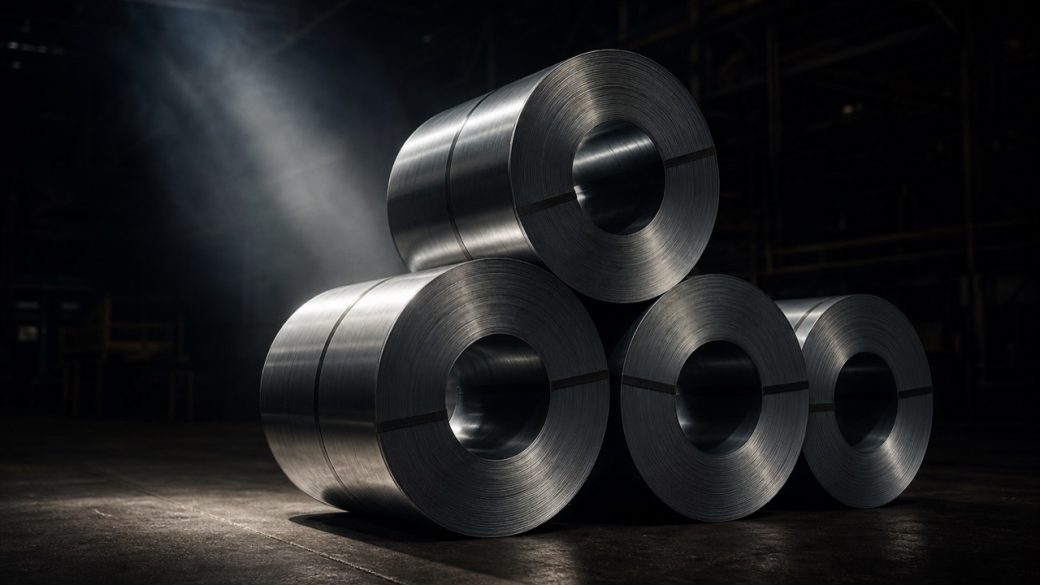
The new curbs matter because Europe buys a meaningful share of India’s finished steel. Finished steel means products ready for use, like sheets, bars, and coils. When a country sets steel quotas, exporters can sell only up to a fixed limit before facing extra duties.
A duty is a tax on imports. That tax can make Indian steel costlier, so buyers may switch to local or other foreign suppliers. This is why even a quota, not a ban, can hurt trade.
India is the world’s second-largest crude steel producer. Crude steel means fresh steel made at the plant before it is turned into final products. In the last few years, India’s steel exports have swung with global prices, weak demand, and trade barriers.
The EU and UK are not tiny markets. They are large, rules-heavy buyers, and their choices often shape trade flows elsewhere. So when they tighten access, companies across Asia start looking for other homes for their cargo.
How do FTAs help when steel quotas rise?
FTAs help because they can lower tariffs in other markets. A tariff is a border tax on goods. If India gets better access in one region, mills can send more steel there and reduce the pain from steel quotas in Europe.
This does not mean every shipment gets saved. Steel grades differ, and buyers want exact sizes and quality. But trade deals widen the map, which matters when one door narrows.
India already has trade deals with countries in Asia and the UAE. It is also negotiating with major partners, including the EU and the UK. If those talks move ahead, India could ask for more stable market access for steel and related products.
For readers tracking broader policy moves, India has also been expanding financial and digital trade links, like this mobile-first netbanking partnership between Razorpay and NBBL. Trade policy and payment rails are different, but both shape how easily business can cross borders.
What exactly are the EU and UK doing?
Europe has used safeguard measures on steel for years. A safeguard is a temporary import shield meant to protect local industry. It usually allows imports up to a set level, then charges higher duty above that line.
The UK has kept its own system after Brexit. Brexit means the UK left the European Union. So Indian exporters now must track two rulebooks, not one.
These systems often work by product category. Flat steel, coated steel, and stainless steel can each face separate treatment. That makes planning harder, because one product may still have space while another hits the cap.
Here is a simple picture of what steel quotas do:
Effect of steel quotas on one product lineQuota roomAbove quotaExports cutHigher duty
That chart is only a guide, not official quota data. But it shows the basic problem. Once shipments cross the quota line, costs jump, and some sales no longer make sense.
How much could this affect Indian exporters?
The effect will vary by company and product. Firms that sell more special steel may cope better because those products face less direct price competition. Special steel means higher-value steel used in cars, engineering, or appliances.
Commodity steel makers may feel more heat. Commodity steel is the more standard, widely traded kind. If margins were already thin, even a small duty can wipe out profit.
India produced about 145 million tonnes of crude steel in FY24, according to official industry data. Even a small export shift can mean millions of tonnes looking for a new market. That is why steel quotas matter beyond one region.
The country exported roughly 7 to 8 million tonnes of finished steel in recent periods, though the figure changes with demand. If 10% to 15% of those flows get squeezed, that is a noticeable chunk. It can pressure prices at home as well, because unsold metal may stay in India.
| Issue | What it means | Likely effect |
|---|---|---|
| EU quota cap | Imports allowed only up to a limit | Sales slow after limit is hit |
| Above-quota duty | Extra tax on extra shipments | Indian steel gets costlier |
| FTA access elsewhere | Lower trade barriers in other markets | Some exports can shift |
| Product mix change | Sell more high-value grades | Better margins, less direct pain |
What should steel companies watch next?
First, they will watch quota fill rates. A fill rate shows how fast the allowed import limit is being used. If the cap fills early in a quarter, exporters may hold back or reroute cargo.
Second, they will watch trade talks. India’s ongoing deals could matter more now because market access has become a live business problem, not just a policy topic. This is the same reason investors track rules in other sectors, like the recent NSE RTI ruling and changes in RBI takeover financing norms.
Third, companies will watch local demand. If roads, rail, housing, and factories keep buying steel, domestic sales can absorb some pressure. India has been pushing big infrastructure spending, including projects like the Delhi-UP highway projects.
The core point is simple and quotable:
Europe’s new steel quotas can squeeze Indian exports, but FTAs give mills other routes to sell, which may limit the damage rather than erase it.
Where can readers verify the rules and data?
Readers can check official trade information from the European Commission customs and trade pages. The UK also publishes trade remedy details through the Trade Remedies Authority.
For Indian steel output and market data, readers can track updates from the Steel Ministry and industry bodies. Primary sources matter because trade measures change by product line and review period.
FAQs
What are steel quotas?
Steel quotas are limits on how much steel can enter a market. After that limit, extra imports may face higher tax.
How do FTAs help India’s steel exporters?
FTAs cut trade barriers in partner countries. So exporters can try selling more steel in markets with lower tariffs and fewer hurdles.
Why do EU and UK rules matter so much?
They are large steel markets with strict import systems. Their rules can change prices, shipping plans, and profits for Indian mills.