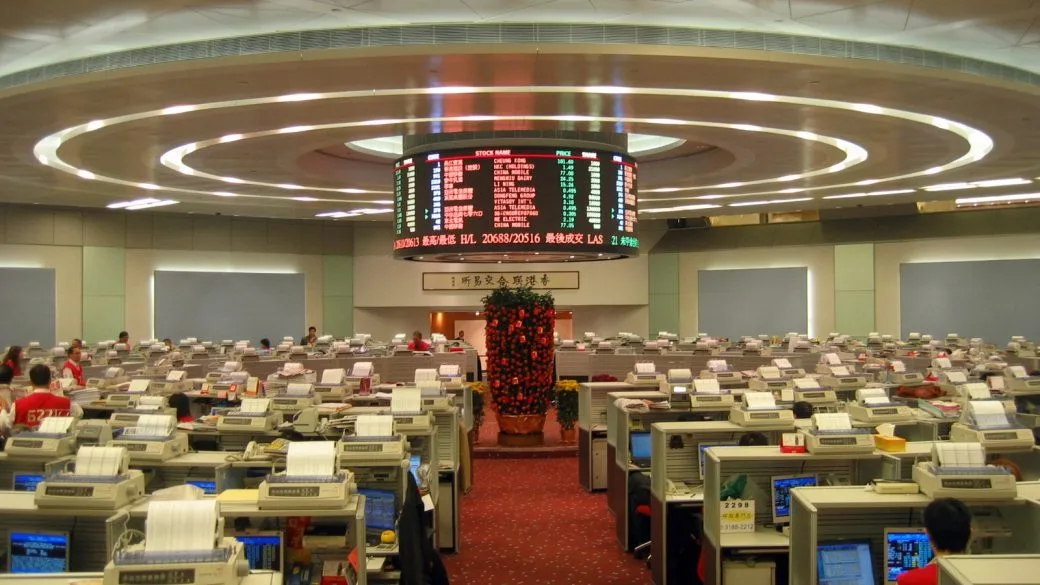
Hong Kong tradable shares could jump by about US$100 billion as lock-ups end and more stock becomes available to sell. Hong Kong tradable shares means shares that investors can actually trade in the market right now. The big question is simple: can Hong Kong handle that extra supply without hurting prices too much?
Key takeaways
- About US$100 billion in stock may become tradable in Hong Kong.
- Much of it is linked to recent listings and AI excitement.
- More supply can push prices down if buyer demand is not strong enough.
- Big names may cope better than smaller stocks because they attract more money.
Why are Hong Kong tradable shares rising now?
The main reason is lock-up expiry. A lock-up is a waiting period after a listing. During that time, early investors and insiders usually cannot sell their shares. When that period ends, those shares can enter the market.
That does not mean everyone will sell at once. But it does mean the pool of possible sellers gets much bigger. So traders watch these dates closely, especially in a market driven by fast-moving themes like artificial intelligence.
Hong Kong has seen strong interest in Chinese tech and AI-linked companies. Some firms raised money recently, while others returned to the market through new listings. As a result, a large block of shares may soon become free to trade.
Why does the AI boom matter so much?
The AI boom has pulled huge amounts of money into a small group of stocks. AI means artificial intelligence. That is software and hardware that help computers do tasks that seem human, like writing, searching, or spotting patterns.
When investors chase a hot theme, prices can rise fast. But when more shares become tradable, that fresh supply can cool things down. It is a bit like adding many more concert tickets after fans already drove prices up.
Some Hong Kong-listed firms have gained from this wave because investors want exposure to China’s AI story. Yet hot themes can be fragile. If excitement fades, extra stock can become harder to absorb.
Can the market really absorb US$100 billion?
Maybe, but it depends on timing, demand, and which companies are involved. US$100 billion is a huge figure. It is larger than the annual economy of many small countries, so this is not a tiny market event.
Absorb, in market talk, means buyers are willing to take in extra shares without a sharp fall in price. If demand stays strong, the market can digest new supply. If demand weakens, prices may slip because sellers outnumber buyers.
Trading value gives one clue. Hong Kong’s market can handle large daily turnover, which means the total value of shares bought and sold each day. But turnover moves up and down. It also tends to bunch around a few popular names, not the whole market.
That is why company quality matters. Giant firms with deep investor interest often manage better. Smaller firms may face more pressure because fewer large funds want to buy them quickly.
Hong Kong share supply vs market flowNew shares$100BDay at $20B$20BDay at $15B$15B
The chart above is simple, but it shows the scale problem. If roughly US$100 billion becomes tradable, that is several times a strong day of trading. Of course, not all those shares hit the market on one day. Still, the comparison shows why investors care.
Which stocks could feel the pressure first?
Stocks with thin liquidity may feel it first. Liquidity means how easily you can buy or sell something without moving the price much. A stock with weak liquidity can drop fast if many people rush to sell.
Newer tech and biotech listings often face this risk. Biotech means companies working on new medicines and health science tools. These firms can be exciting, but they are also more sensitive to mood swings in the market.
Big platform and chip-related names may hold up better because global funds already follow them. Chip-related means companies linked to semiconductors, the tiny parts that power phones, servers, and AI systems. Even then, heavy selling from early backers can still drag on prices.
What should investors watch next?
First, watch lock-up calendars and shareholder filings. These documents show when insider selling restrictions end and who owns what. The Hong Kong exchange posts company filings on its official disclosure platform.
Second, track daily turnover and fund flows. Fund flows means money moving into or out of stocks and funds. If turnover stays strong, the market has a better chance to handle extra supply.
Third, look at valuation. Valuation is the market’s price tag on a company. If a stock already trades at a very high valuation, new supply can hurt more because buyers may decide the price is too rich.
| Factor | What it means | Why it matters |
|---|---|---|
| Lock-up expiry | More shares can be sold | Raises possible supply |
| Daily turnover | Value traded each day | Shows market capacity |
| Liquidity | Ease of buying and selling | Low liquidity can worsen drops |
| Valuation | How expensive a stock looks | High prices may be fragile |
How does this fit with bigger Asia market trends?
Hong Kong is trying to stay attractive as a fund-raising hub for Chinese companies. A fund-raising hub is a market where companies go to sell shares and get cash. That matters because investors want access to China tech, consumer, and AI stories.
But competition is tough. US markets still attract global capital, while mainland China has its own listing venues. Meanwhile, rates, geopolitics, and weak property sentiment can all affect how much money flows into Hong Kong.
This is also why every supply shock matters more. If foreign money is cautious, even good companies may need to price shares more carefully. For a related look at capital raising pressure, see our piece on JSW Infrastructure’s QIP raise.
And if you want to see how markets react when rules shape access and transparency, read our coverage of the NSE RTI ruling. It shows how policy and market trust often move together.
What is the clearest takeaway on Hong Kong tradable shares?
Here is the short answer: Hong Kong tradable shares can probably absorb a US$100 billion increase, but only over time and only if demand stays healthy. If too many holders sell too fast, prices could wobble, especially in smaller or hotter AI-linked names.
That is why this is less about one scary number and more about market balance. New supply is not automatically bad. In fact, more free-floating stock can make a market broader and more useful if buyers keep showing up.
Still, the next few months matter. Investors will watch whether AI excitement brings enough fresh money to match the wave of newly tradable shares. For more on how finance and digital payment infrastructure are changing in Asia, see our stories on mobile-first netbanking and Airtel Money’s lending push.
For primary market data and company disclosures, investors can also check HKEX. Those filings often tell the story before the price chart does.
FAQs
What are tradable shares?
Tradable shares are shares that people can buy and sell in the market now. They are not blocked by lock-ups or other selling limits.
Why can more tradable shares hurt prices?
Prices can fall if supply rises faster than demand. In simple terms, too many sellers and not enough buyers can push a stock down.
Who is most affected by lock-up expiry?
Early investors, founders, and insiders are most directly affected. Regular investors also care because new selling can change stock prices.
How should small investors read this news?
Don’t just watch the headline number. Check which companies are involved, when shares unlock, and whether trading demand stays strong.