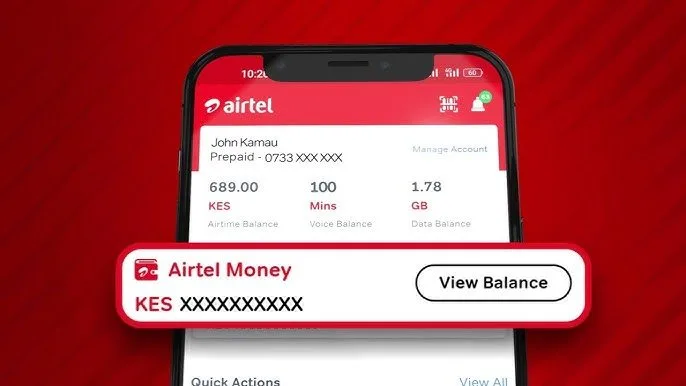
Airtel Money lending has now started after Bharti Airtel’s finance arm began commercial operations. Airtel Money lending means Airtel can offer loans through its own NBFC, which is a non-bank finance company. That’s a firm that can lend money but is not a bank. So this move could make Airtel a bigger player in digital finance.
Key takeaways
- Bharti Airtel’s NBFC arm, Airtel Money, has started commercial operations.
- Airtel can now lend directly, not just act as a payments brand.
- This may help Airtel sell small digital loans to more mobile users.
- The move puts Airtel deeper into India’s fast-growing fintech fight.
What exactly has Airtel launched?
Bharti Airtel said its NBFC arm, Airtel Money, has begun commercial operations. In simple words, the company can now run a lending business under a regulated setup. That matters because lending is different from payments. Sending money is one thing, but giving loans means taking credit risk.
Credit risk is the chance that a borrower may not pay back. So companies need stronger rules, more checks, and more capital. Capital means money kept aside to run the business safely. Airtel already reaches millions of phone users, and now it can try to turn some of them into loan customers.
This is a fresh angle for Airtel, not a repeat of its payments story. A payments bank can take small deposits and move money, but it faces tight limits. An NBFC has more room to build lending products, while still staying under Reserve Bank of India rules. The RBI is India’s central bank.
Why does Airtel Money lending matter now?
India’s digital finance market is crowded, but it is still growing fast. People now pay with phones, borrow online, and expect quick approval. So telecom firms see a chance to use their apps, user data, and daily reach to sell financial products.
Airtel has a large base of mobile and app users. That gives it a strong starting line because many customers already know the brand. If Airtel can offer small personal loans, merchant credit, or bill-linked finance, it may keep users inside its own app for longer.
Merchant credit means loans for shop owners and small sellers. Bill-linked finance means lending tied to services like recharge or utility payments. These products can look simple on the screen, but the hard part is deciding who is safe to lend to.
That is where data matters. A telecom company can see patterns like recharge history, payment habits, and app activity, though it must follow privacy and consent rules. Consent means the user clearly agrees. If used well, that data can help a lender judge risk faster.
How is an NBFC different from a bank?
An NBFC is a non-bank finance company. It can lend money and offer some financial services, but it is not a full bank. For example, it cannot do everything a normal bank does, such as offer all kinds of deposit accounts.
Still, NBFCs play a big role in India’s credit system. They often serve customers that banks miss, such as small businesses or people with thin credit files. A credit file is the record of a person’s borrowing and repayment history. So Airtel’s entry could widen access if it lends carefully.
The RBI keeps a close watch on NBFCs because lending can create trouble fast. Bad loans can pile up if checks are weak. A bad loan is money the lender may not get back. That’s why rules on capital, governance, and reporting matter so much.
Recently, the RBI has also tried to make financial rules clearer in nearby areas. For example, it set a cleaner path for closures in the NBFC exit rules update. It also allowed more funding flexibility in deals through its move to let banks finance takeovers up to 75%.
What could Airtel offer customers first?
Airtel has not yet laid out every product in public detail, but the likely playbook is easy to guess. Many fintech lenders start with small-ticket loans. Small-ticket means lower-value loans, often used for urgent needs or daily business cash flow.
That could include personal loans, merchant loans, or device finance. Device finance means paying for a phone in parts over time. Since Airtel sells connectivity and services, it can bundle finance with things customers already use.
Think of it like this. If one app already handles your mobile recharge, broadband bill, and wallet use, then a loan offer inside that app feels like one more button. That convenience is powerful, but it also means the company must explain rates and fees clearly.
Interest rate is the cost of borrowing money. Processing fee is a charge for setting up the loan. If those are not shown in plain words, users can get confused fast. So the trust test will be just as important as the tech.
How big is the opening in India’s fintech market?
The opening is large because India has hundreds of millions of mobile users. UPI, the country’s instant payment system, handled 22.72 billion transactions in June 2026 worth Rs 28.92 lakh crore, as we noted in our report on UPI’s June 2026 surge. Those numbers show how normal phone-based money use has become.
Airtel’s chance comes from that habit shift. People who already trust phones for payments may also try phones for loans. But lending is tougher than payments because one wrong loan can become a loss. That is why many firms grow slowly at first.
Foreign investors also keep backing Indian debt and finance themes. We recently reported that foreign investors bought Indian bonds worth ₹41,800 crore in June. Bond markets and digital lending are not the same, but both reflect confidence in India’s finance story.
India digital finance snapshot22.72 bn UPI txnsRs 28.92 lakh cr UPI value₹41,800 cr bond inflows
Airtel Money lending versus old Airtel finance moves
Airtel is not new to financial services. It has already been active in payments and related products. But Airtel Money lending is a deeper step because the company now sits closer to the core of the credit business. That can bring more revenue, but also more responsibility.
Revenue means money a business earns. Telecom companies want new revenue because mobile prices are competitive. We recently wrote that telecom price hikes may return, which shows how tightly the sector watches earnings.
For Airtel, finance can become a second engine beside telecom. If it works, the company could sell loans, collect interest income, and build a larger money app. Interest income is the money earned from loans. But if defaults rise, profits can get hit.
What are the main risks for Airtel?
The biggest risk is simple: bad loans. If too many borrowers miss payments, losses rise fast. That can hurt both earnings and trust. And trust is hard to win back once users feel misled.
There is also regulatory risk. Regulators can tighten rules if digital lenders grow too fast or use unfair tactics. A regulator is the authority that watches an industry and sets rules. For financial firms in India, that usually means the RBI.
Another risk is competition. Big banks, NBFCs, and fintech apps already chase the same users. Some are faster, some have cheaper funds, and some know lending better. So Airtel must prove it can do more than place loan offers inside an app.
| Area | What it means for Airtel |
|---|---|
| User base | Large mobile reach can help find borrowers |
| Products | Likely focus on small digital loans first |
| Risk | Bad loans and strict RBI compliance |
| Competition | Banks, fintechs, and NBFCs are already strong |
What should customers watch before taking a loan?
Start with the total cost. Check the interest rate, processing fee, late fee, and repayment date. Late fee is the penalty for missing a due date. Even a small loan can become expensive if charges stack up.
Also read who the lender is and how your data will be used. That matters because many apps look simple, but loan terms can differ a lot. If something is unclear, don’t tap yes too fast. Fast money can still be risky money.
Here is the clearest takeaway: Airtel Money lending gives Bharti Airtel a direct way to enter the loan business through an NBFC, and that could make borrowing easier for many users. But easier access only helps if the loans stay fair, clear, and safe.
For the official framework on NBFC regulation, readers can check the Reserve Bank of India. Airtel’s company updates and filings can also be tracked through BSE disclosures.
FAQs
What is Airtel Money lending?
It is Airtel’s new lending activity through its NBFC arm. That means Airtel can offer loans under a regulated finance company.
How is an NBFC different from a bank?
An NBFC can lend money, but it is not a full bank. It works under rules, though its services are narrower than a bank’s.
Why does this Airtel move matter?
It matters because Airtel can now try to turn its huge phone user base into loan customers. So it could become a bigger fintech rival in India.