Key takeaways
- Crude oil prices dropped as ships kept moving through the Strait of Hormuz.
- Brent fell below $71 a barrel, while WTI traded near $69.
- Traders calmed down because supply fears eased after US-Iran talks showed progress.
- The Strait of Hormuz matters because about one-fifth of the world’s oil passes through it.
Crude oil prices fell again as a key shipping route stayed open. Crude oil prices means the market price of unrefined oil before it becomes petrol, diesel, or jet fuel. Brent slipped below $71 a barrel, and WTI hovered near $69. That matters because oil costs can shape fuel bills, airline costs, and inflation.
Why are crude oil prices falling now?
The big reason is simple: traders see less danger today than they did a few days ago. Ships are still moving through the Strait of Hormuz, so the market no longer fears an immediate supply shock. A supply shock is a sudden drop in available goods. In this case, it would mean less oil reaching buyers.
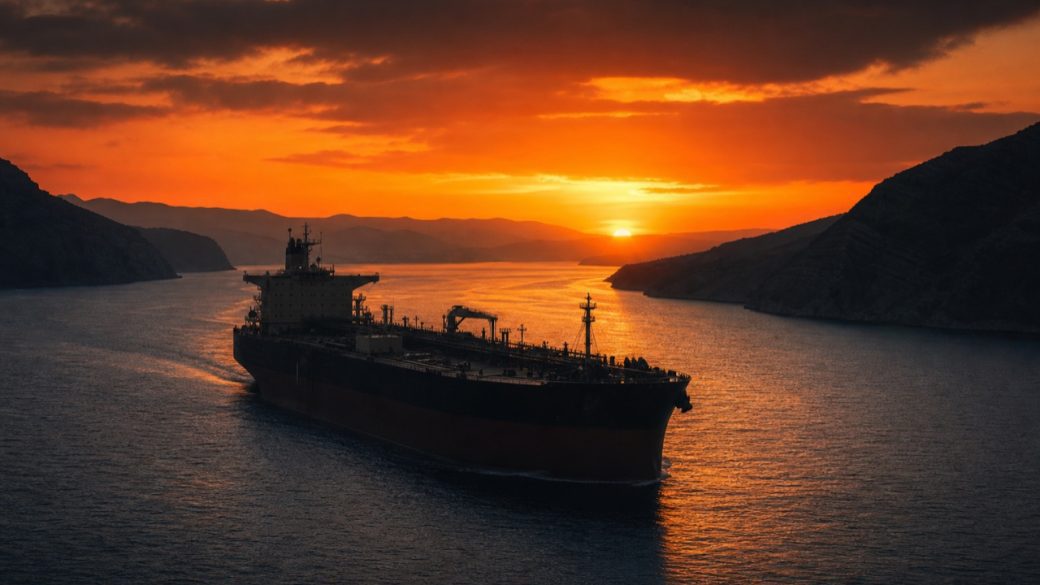
The Strait of Hormuz is a narrow sea lane between Iran and Oman. It connects the Persian Gulf to the open sea. Around 20% of global oil supply moves through it, according to the US Energy Information Administration. So when that route looks risky, oil traders react fast.
But this time, tankers kept sailing. That eased panic buying, and crude oil prices lost more ground. Panic buying is when buyers rush in because they fear shortages. Oil markets do that often when war risks rise.
What do Brent and WTI prices show?
Brent and WTI are the two best-known oil benchmarks. A benchmark is a standard price traders use as a reference. Brent is the global marker for many countries. WTI, short for West Texas Intermediate, is the main US marker.
Brent crude fell below $71 a barrel in trading tied to the report. WTI also dropped and traded around $69 a barrel. Those numbers matter because they are far below the spikes seen when Middle East tensions first rattled markets. In plain terms, traders now expect oil to keep flowing.
| Oil benchmark | Recent level | What it means |
|---|---|---|
| Brent | Below $71 per barrel | Main global oil price marker |
| WTI | Near $69 per barrel | Main US oil price marker |
| Hormuz flow | About 20% of world oil | Key route stayed open |
Here is a quick view of the key numbers:
Key oil market numbers716920%BrentWTIHormuz share
How did US-Iran talks affect crude oil prices?
Talks between the US and Iran also helped cool the market. When countries talk instead of fight, traders often expect fewer supply problems. That expectation can pull crude oil prices lower, even before any deal is signed.
Iran is a major oil producer, so any change there matters. If sanctions ease one day, more Iranian oil could reach the market. Sanctions are penalties that limit trade or finance. More supply usually pushes prices down, or at least stops them from jumping higher.
The market is not saying all risks are gone. It is saying the worst-case fear looks less likely right now. That is a big difference. Oil prices move on risk, not just on actual barrels shipped today.
Why does the Strait of Hormuz matter so much?
Think of the Strait of Hormuz like a narrow school gate used by thousands of students. If the gate stays open, everyone keeps moving. If the gate shuts, there is chaos fast. That is why traders watch this route almost hour by hour.
Saudi Arabia, Iraq, the UAE, Kuwait, and Iran all rely on this passage for much of their oil exports. Exports are goods sold to other countries. If tankers were blocked, refiners in Asia and Europe could face delays. Refiners are companies that turn crude into fuels and other products.
That is also why India pays close attention. India imports most of its crude oil needs. If crude oil prices jump, India can feel it through higher fuel costs, pressure on airline tickets, and sometimes broader inflation. Inflation means prices rising across the economy.
What could this mean for India and consumers?
Lower oil prices do not always mean instant relief at the petrol pump. Taxes, retail pricing rules, and refining costs also matter. Still, softer oil is usually better news than a sudden spike. It gives governments and companies more room to manage costs.
For India, that can help in several ways. Oil is one of the country’s biggest import bills. A smaller import bill can support the rupee and reduce pressure on inflation. It can also help sectors like airlines, transport, paints, and chemicals.
We have seen before how global price moves spill into local stories. For example, our report on June GST collections showed how economic activity links back to prices and demand. And our piece on foreign investors buying Indian bonds explained why inflation and yields matter to overseas money.
There is another angle too. If fuel worries ease, transport-heavy businesses may get breathing room. That does not solve everything, but it helps. In sectors already dealing with cost pressure, even a few dollars less per barrel can make a real difference.
What should readers watch next?
First, watch whether tanker traffic through Hormuz stays normal. Second, watch headlines on US-Iran diplomacy. Third, keep an eye on oil stockpiles in the US. Stockpiles are stored supplies kept in tanks. Big stockpiles can calm the market because they signal backup supply.
Investors will also follow OPEC+ signals and demand data from big economies. OPEC+ is a group of major oil-producing countries led by Saudi Arabia and Russia. If they cut supply, prices can rise. If demand slows, prices can fall.
One clear takeaway stands out:
Crude oil prices are falling because traders see less danger to oil flows through the Strait of Hormuz, and they believe diplomacy may reduce the risk of a supply hit.
That does not mean calm is guaranteed. Oil can swing fast on one missile strike, one tanker incident, or one sharp political statement. But for now, the market is sending a plain message. Supply fears have cooled, so crude oil prices have cooled too.
If you want more context on how policy and global markets shape India’s economy, see our coverage of the yen-rupee settlement talks and the cut in windfall tax on diesel exports. You can also track official US energy data at the EIA.
FAQs
Why are crude oil prices falling?
They are falling because ships still move through Hormuz and traders fear fewer supply problems.
What is the Strait of Hormuz?
It is a narrow shipping route in the Gulf region. About 20% of the world’s oil passes through it.
How do lower crude oil prices affect India?
They can ease pressure on fuel costs, imports, inflation, and transport-heavy businesses.