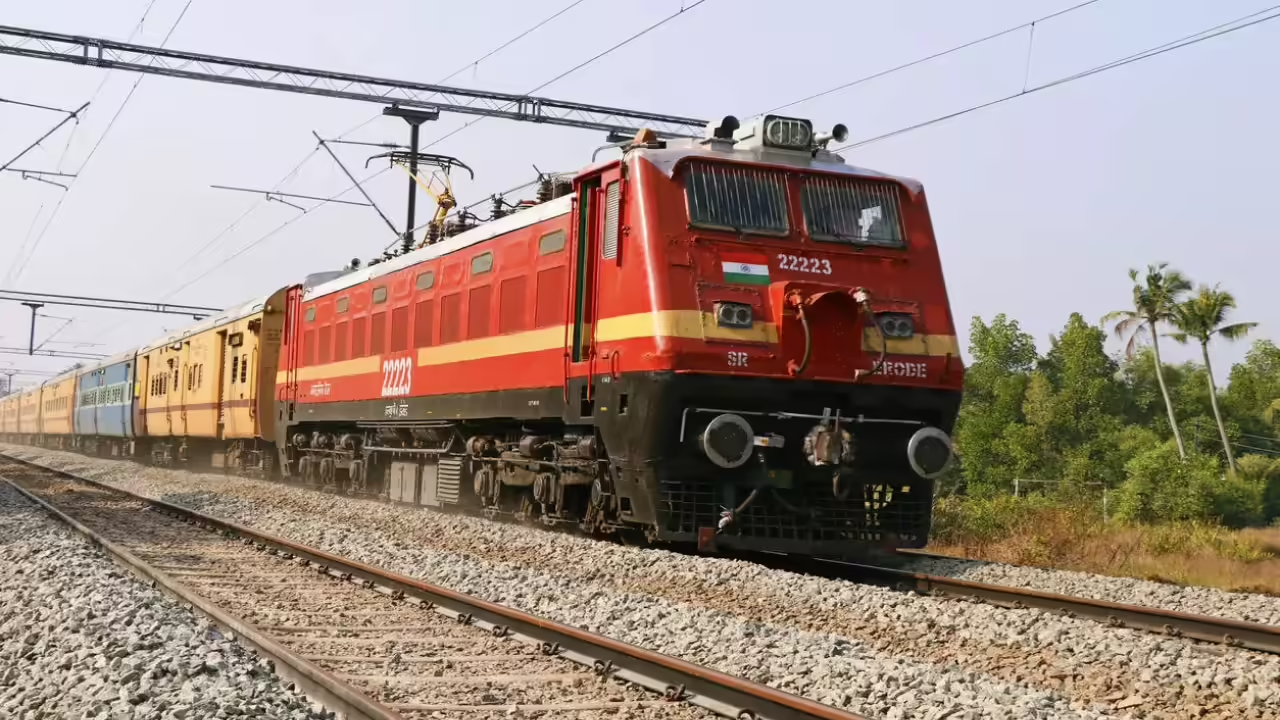
The railway reservation system upgrade is Indian Railways’ plan to make ticket booking much faster and smoother. It means the main booking system is being modernised, or rebuilt with better tech. Officials say it could handle up to 1.25 lakh ticket bookings per minute. That matters because busy Tatkal booking windows often feel like a digital stampede.
Key takeaways
- Indian Railways is upgrading its passenger reservation system to handle far more booking traffic.
- CRIS says the new system can process up to 1.25 lakh bookings per minute.
- The upgrade should help during rush hours, especially Tatkal ticket sales.
- Rail users may also see quicker searches, fewer crashes, and better support for future features.
What is the railway reservation system upgrade?
The railway reservation system upgrade is a major tech refresh for the Passenger Reservation System, or PRS. PRS is the central computer network that manages train seat bookings. It checks which seats are free, confirms tickets, and updates waiting lists in real time.
CRIS is leading the work. CRIS stands for Centre for Railway Information Systems. It is the government-backed tech arm that builds and runs many of Indian Railways’ digital systems.
According to officials cited in the source report, the upgraded system will support up to 1,25,000 bookings per minute. It will also be able to handle up to 40 lakh enquiries per minute. Enquiries mean searches people make for trains, seats, fares, and availability.
That scale is huge. If you imagine one minute on a clock, the system would need to process more than 2,000 bookings every second. So even small delays can snowball fast when lakhs of users click at once.
Why does this matter to passengers?
For most people, this story is simple. A better booking system should mean fewer freezes, fewer failed payments, and fewer moments when the page suddenly stops working. That is why the railway reservation system upgrade could matter most on high-stress days.
Think about Tatkal hours. Tatkal is the last-minute ticket quota that opens at a fixed time. Many users try to book at once, so the site and app face a giant traffic spike.
When too many people rush in, slower systems can struggle. Pages time out. Captchas fail. Seats vanish before payment finishes. A faster back-end, or the hidden system behind the screen, can reduce some of that pain.
This does not mean every passenger will suddenly get a confirmed seat. Demand is still demand. But it can mean the booking race feels less broken and more fair.
How big is the new capacity?
The numbers show why this update matters. The older booking system could handle far less traffic than what the rail network now faces. India’s railway demand is massive because millions of people depend on trains every day.
Here is a quick look at the key figures behind the railway reservation system upgrade.
Railway reservation system upgrade: key capacityBookings/min1,25,000Enquiries/min40,00,000
| Metric | New capacity | What it means |
|---|---|---|
| Bookings per minute | 1,25,000 | Confirmed ticket requests the system can process |
| Enquiries per minute | 40,00,000 | Searches for trains, fares, and seats |
| Bookings per second | About 2,083 | Rough real-time booking speed |
Those figures came from the report on the modernised PRS. For official railway tech updates, readers can also track CRIS and Indian Railways channels such as CRIS and the Indian Railways portal.
What problems is Indian Railways trying to fix?
The biggest issue is crowding on the system, not just crowding on trains. During peak booking windows, millions of searches hit at once. So the tech has to respond in a blink.
Indian Railways also needs systems that can grow over time. A modern platform can support new features, stronger security checks, and better recovery if something goes wrong. Recovery means the system can restart or switch paths quickly after a fault.
That matters because online rail booking is now basic public infrastructure. For many families, it is how they plan holidays, weddings, exams, or urgent trips home. If the system fails at the wrong moment, people lose time and sometimes money.
The push for better public-facing tech is also happening in other sectors. For example, our report on the Aadhaar app update showed how core identity services are also being rebuilt for easier digital use. And our piece on mobile-first netbanking by Razorpay and NBBL explained a similar shift toward handling more users smoothly.
Will the railway reservation system upgrade change IRCTC booking?
Most passengers know IRCTC better than PRS. IRCTC is the booking platform people use on the web and app. But PRS is the engine under the hood, while IRCTC is more like the dashboard and steering wheel.
So yes, the railway reservation system upgrade should improve the experience people feel on IRCTC too. If the core system becomes faster and more stable, front-end apps and websites can work better during pressure.
Still, one thing matters here. Booking success depends on many parts working together, including payment gateways, network speed, and bank response times. That means a stronger rail system helps a lot, but it cannot control every delay.
What could happen next?
If the rollout goes well, passengers may notice quicker searches first. Search traffic is often bigger than actual bookings because many people check trains before buying. That is why the 40 lakh enquiries-per-minute figure is such a big deal.
Over time, Indian Railways could use the stronger system for more features. These may include better seat prediction, smarter alerts, or cleaner waitlist updates. A waitlist is the queue people join when all seats are already taken.
The bigger picture is simple: public digital systems need to keep pace with public demand. India has already seen that in payments and tax systems. Our coverage of UPI transactions hitting 22.72 billion in June and June GST collections shows how fast large citizen platforms now operate at scale.
The core point is easy to grasp: Indian Railways is rebuilding its reservation engine so many more people can search and book tickets at the same time, with fewer breakdowns during rush periods.
Should passengers expect instant relief?
Not fully, and not all at once. Large public tech upgrades usually roll out in stages because switching everything in one shot is risky. But the direction is clear, and it is the right one.
If you book trains often, especially Tatkal, this is the part to remember. The railway reservation system upgrade will not create extra seats. It should, however, make the fight for those seats less chaotic.
That is a real improvement. And for a country where train travel is woven into daily life, even a few seconds saved can feel huge.
FAQs
What is the railway reservation system upgrade?
It is a rebuild of Indian Railways’ main booking technology. The goal is faster searches, faster bookings, and fewer system failures.
How many bookings can the new system handle?
Officials said it can process up to 1.25 lakh bookings per minute. It can also handle up to 40 lakh enquiries per minute.
Why does this matter during Tatkal booking?
Tatkal creates a huge rush in a few minutes. A stronger system can better handle that traffic, so fewer users face freezes or failed attempts.