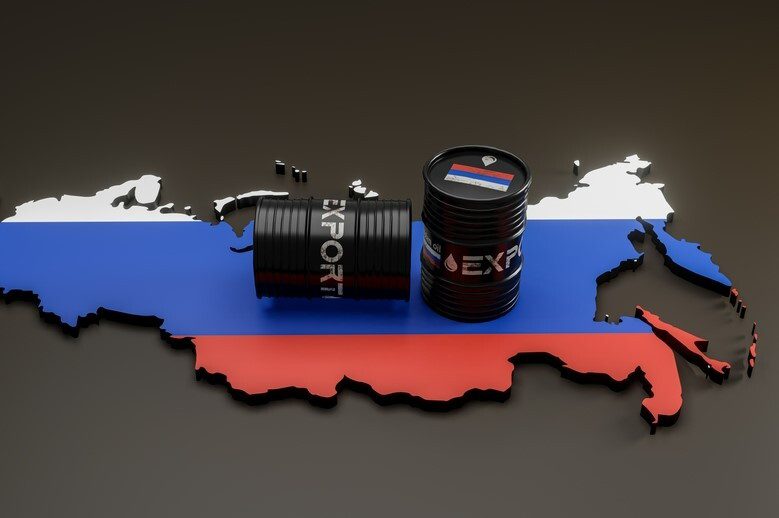
Key takeaways
- Russian oil imports into India are set to reach a new high in June, based on tanker tracking data.
- Indian refiners bought more Russian crude because it was available in large volumes and often priced well against other grades.
- Iraq and Saudi Arabia still matter, but Russia stayed India’s top oil supplier by a wide margin.
- The shift shows how Indian buyers keep changing sources to manage cost, risk, and supply.
Russian oil imports are shipments of crude oil that India buys from Russia. In June, those flows are set to hit a record high. That matters because crude oil is the raw liquid used to make petrol, diesel, and jet fuel. So when supply shifts, prices and trade can shift too.
Why are Russian oil imports rising again?
India’s June buying points to a simple fact: refiners wanted more barrels, and Russia had them. A refiner is a company that turns crude oil into fuels. Indian refiners have kept buying Russian crude since Western sanctions changed old trade routes in 2022.
Sanctions are penalties that countries use to restrict trade or finance. They did not fully ban Russian oil everywhere, but they changed who could buy, ship, insure, and pay for it. As a result, Russia had to sell much more of its crude to countries like India and China.
June imports from Russia are estimated at about 2 million barrels per day, according to ship-tracking data reported by market watchers. A barrel is a standard oil unit equal to about 159 litres. That’s higher than May levels and enough to set a fresh monthly record if final arrivals stay on course.
India uses more than 5 million barrels of oil a day, and it imports most of that need. So even small changes in supply routes matter. In fact, a jump of a few hundred thousand barrels a day can reshape which ports get busy and which refiners gain an edge.
India crude supply estimate for June2.01.00.5RussiaIraqSaudi~2.0 mbpd~1.1~0.9
How big is Russia’s lead over other suppliers?
Russia has stayed far ahead of other sellers to India for many months. In June, flows from Iraq were around 1.1 million barrels per day, while Saudi Arabia supplied roughly 0.9 million barrels per day. Those are still huge numbers, but Russia’s lead looked clear.
That matters because India’s oil basket is usually diverse. A basket means a mix of supply sources. Buyers don’t like relying too much on one country, but they also chase deals that help protect refining margins.
Margin means the gap between a company’s costs and selling price. If a refiner buys cheaper crude and sells fuel at healthy market rates, its margin improves. So Russian cargoes can be attractive when they land at the right price and fit refinery needs.
| Supplier | Estimated June supply | What it shows |
|---|---|---|
| Russia | ~2.0 million barrels/day | Likely record high for India imports |
| Iraq | ~1.1 million barrels/day | Still a major supplier |
| Saudi Arabia | ~0.9 million barrels/day | Important, but behind Russia |
What does this mean for India?
For India, the big point is energy security. Energy security means having enough fuel at workable prices. Since India imports roughly 85% of its crude oil needs, it has to keep finding supply that is affordable, steady, and easy to process.
Russian oil imports help with that goal, at least for now. They give Indian refiners another large source outside the Middle East. But they also bring shipping and payment questions, because global rules and political pressure can change fast.
Freight costs also matter. Freight means the cost of moving goods by ship. If freight rises sharply, a cheap barrel can stop looking cheap by the time it reaches an Indian port.
There’s also a broader trade angle. India has kept balancing ties with many partners while protecting its own energy needs. You can see that balancing act in other trade moves too, like India’s shifting trade talks with Israel and Gulf partners and the country’s wider sourcing strategy in India’s recent crude imports rebound.
Are Russian oil imports risky for refiners?
They can be, because oil markets change quickly. A market is where buyers and sellers agree on prices. If discounts shrink, or if tanker rules tighten, refiners may switch back to more barrels from Iraq, Saudi Arabia, the UAE, or the US.
Insurance is another issue. Marine insurance helps cover ships and cargo if something goes wrong. Since some Russian trades face restrictions, buyers have to check paperwork, ship availability, and payment channels very carefully.
Still, Indian refiners have become more skilled at handling these shifts. They now compare grades, freight, insurance, and delivery times in much more detail. Meanwhile, private and state-run refiners often move fast when a price window opens.
State-run means owned by the government. Private means owned by companies or investors. Both types operate in India, and both can influence Russian oil imports when they place large orders.
How does this connect to global oil politics?
Oil is never just about fuel. It’s also about diplomacy, shipping lanes, and money. When Europe cut back on Russian purchases after the Ukraine war, Russia redirected many cargoes east. India became one of the biggest new destinations.
That changed old patterns in a big way. Before 2022, Russian oil was a much smaller share of India’s imports. Since then, Russian oil imports have become a central part of the story each month.
The official trade and policy backdrop comes from agencies like India’s oil ministry and global groups like the International Energy Agency. Price signals also track benchmark crude markets and data from the OPEC Secretariat.
At home, this matters for inflation too. Inflation means broad price rises across the economy. If refiners get crude at better rates, that can ease pressure on fuel costs, though pump prices also depend on taxes, exchange rates, and company pricing.
Could this record change again soon?
Yes, very easily. Oil flows can swing month to month because cargoes get delayed, weather slows ships, or refiners shut units for repair. A refinery shutdown is called maintenance. It means engineers pause some operations to fix or inspect equipment.
So June may set a record, but July could look different. If Middle East grades become cheaper, or if Russian discounts narrow, buying patterns may shift again. That’s why traders watch daily ship movements, not just monthly headlines.
India is also pushing other energy paths, even while it still needs huge crude imports. The country is adding renewables and storage, as seen in India’s fast-rising battery storage capacity and the strain highlighted by Delhi’s record power demand during the heatwave.
Here’s the clearest takeaway:
India is buying more Russian crude because the barrels are available at useful prices and in large volumes. As long as that mix stays attractive, Russian oil imports are likely to remain high, even if the exact monthly record changes.
What should readers watch next?
Watch three things. First, look at discounts on Russian grades compared with Middle East crude. Second, track freight and insurance costs. Third, see whether Indian refiners keep booking around 2 million barrels per day or pull back.
If those numbers hold, Russian oil imports could stay near record levels through the next few months. But if the economics change, India will adjust fast. That’s the real pattern here: flexible buying, not permanent loyalty.
FAQs
Why is India buying more Russian oil?
India buys more when Russian crude is available in big volumes at useful prices. Refiners want steady supply and better margins.
What are Russian oil imports?
Russian oil imports are crude oil shipments that India buys from Russia. Crude is the raw oil used to make fuels.
How much Russian oil is India importing in June?
June flows are estimated at about 2 million barrels per day. That would be a record high if final cargo arrivals match current tracking.