Battery storage capacity in India is growing because the country needs more power at more times of day. Battery storage capacity means how much electricity batteries can hold and send back later. HSBC says this market is picking up fast as demand stays strong and clean energy grows.
Key takeaways
- India is adding more battery projects to support a power system under strain.
- Batteries store extra electricity, then release it when demand jumps.
- HSBC says strong power demand is helping the battery market move faster.
- This matters for blackouts, renewable energy use, and future power costs.
Why is battery storage capacity becoming a big deal?
India’s power demand has been climbing for years, and hot weather has made it worse. Air conditioners, fans, factories, metros, and data centers all need electricity. So the grid faces heavy pressure, especially on very hot evenings.
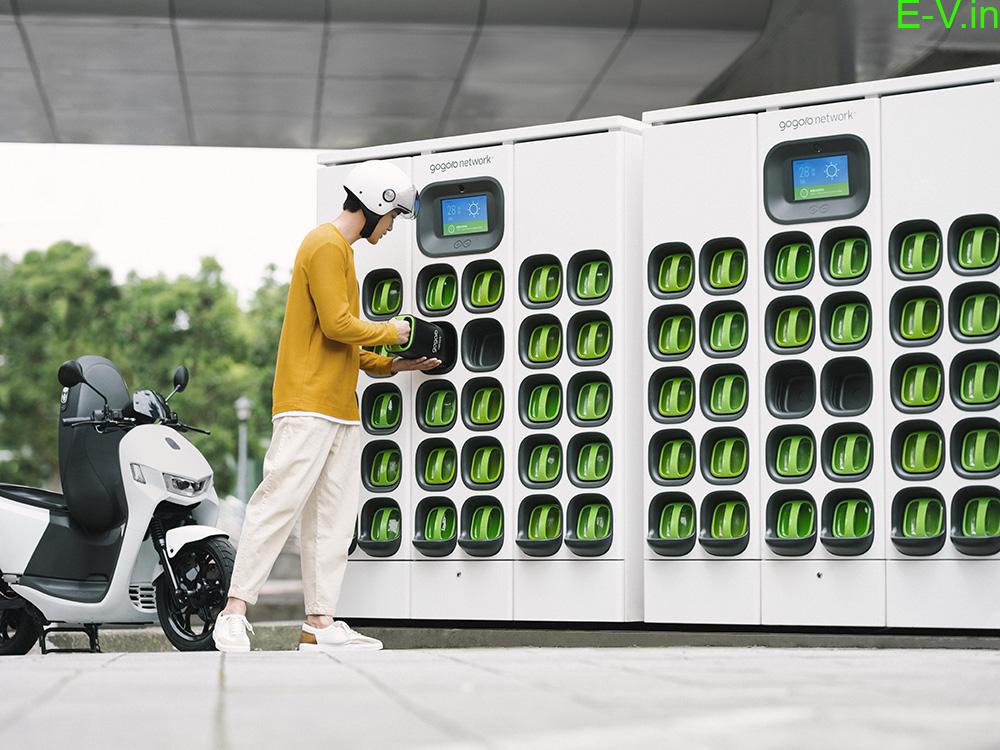
That’s where battery storage capacity comes in. Batteries can soak up power when supply is high, then send it back later. In simple words, they work like a giant power bank for the grid.
HSBC said India’s battery build-out is gaining speed because demand remains robust. Robust means strong and steady. That matters because solar power is strongest in the day, but many homes use more electricity after sunset.
Without storage, some cheap solar power can go to waste. With storage, that same electricity can help run homes and businesses later. As a result, the grid can become more flexible and less stressed.
What is driving battery storage capacity in India now?
Several things are pushing the market at once. First, India wants to add a lot more renewable energy. Renewable energy means power from sources like sun and wind that can be used again and again.
Second, the country keeps seeing record or near-record demand in summer. In June 2024, India’s peak power demand touched about 250 gigawatts. A gigawatt is a very large unit of power, enough to show how huge the grid has become.
Third, government agencies and state utilities have started more storage tenders. A tender is an official bidding process to choose a project developer. These deals give companies clearer demand, so they are more willing to invest.
Battery costs have also changed over time. Prices had jumped during supply chain stress, but they later eased as global production grew. That makes new battery projects look more practical than before, though costs still matter a lot.
Why storage mattersSolar noonEvening demandStored supplyHigh solarPeak useBattery help
How do batteries help when demand spikes?
Think of the grid like a water tank that must stay balanced every second. If too little power shows up, the system can wobble. If too much comes at the wrong time, some supply may get wasted.
Battery storage capacity helps smooth those swings. It can respond very fast, often in seconds. That’s useful when evening demand rises quickly, or when clouds suddenly cut solar generation.
These systems also help with frequency control. Frequency is the speed at which the power system runs. If it moves too far from the safe range, equipment can trip and outages can spread.
Batteries are not the only answer, but they are quick to deploy. Pumped hydro is another option. That method stores energy by pumping water uphill, then letting it flow down later to make electricity.
What do the numbers tell us?
India’s overall installed power capacity is already above 400 gigawatts, and renewables hold a growing share of that mix. Solar capacity alone has crossed 90 gigawatts. Those are big numbers, but supply timing matters as much as supply size.
Battery projects are still much smaller than the full grid, but growth is speeding up from a low base. That’s why battery storage capacity gets so much attention now. Even a few gigawatts of well-placed storage can help at critical hours.
Here is a simple view of the problem batteries try to solve:
| Issue | What happens | How batteries help |
|---|---|---|
| Midday solar surplus | Extra power may go unused | Store it for later |
| Evening peak | Demand jumps after sunset | Release stored power |
| Grid instability | Supply and demand move fast | Respond in seconds |
| Fuel cost pressure | Peaker power can cost more | Reduce some expensive use |
HSBC’s point is simple: when electricity use stays high, storage stops looking optional. It starts looking necessary. In fact, investors often treat storage as the missing piece between renewable targets and real-world power needs.
What does this mean for clean energy and consumers?
More battery storage capacity could help India use more solar and wind without losing reliability. Reliability means the power system works when people need it. That’s a big deal for homes, shops, factories, and hospitals.
It could also reduce dependence on costly backup power at peak times. Peak times are the busiest demand hours. If batteries shave those peaks, power companies may manage supply more cheaply.
That does not always mean your bill drops at once. New projects need funding, land, contracts, and grid links. But over time, smarter storage can make the system cleaner and more efficient.
For people watching India’s energy shift, this is one of the clearest trends. The country is not just adding solar panels. It is also building tools to make that solar useful after dark.
What challenges could slow battery storage capacity?
There are still real hurdles. Batteries cost money upfront, and project developers need clear returns. Returns means the income they expect to earn over time.
Supply chains matter too, because many battery materials come from global markets. If lithium prices jump, projects can get more expensive. If rules change slowly, developers may wait before building.
Grid planning is another challenge. A battery works best when it sits in the right place and has the right contract. Otherwise, it may not solve the local problem it was meant to fix.
Even so, the direction looks clear. India wants more renewable power, and demand is still growing. So battery storage capacity is moving from pilot stage toward a larger role in the national grid.
How does this fit with India’s wider energy story?
India’s energy system is changing fast. The country is adding clean power, but it is also dealing with heatwaves, urban growth, and round-the-clock industrial use. That mix creates a harder balancing act for grid managers.
We’ve already seen how weather can reshape the energy outlook. For example, weak rain can hit farming and power patterns, as in our report on rainfall deficit in West India. We also covered how policy shifts affect fuel markets in India’s petrol and diesel sale curbs change.
The larger point is easy to grasp: more electricity demand needs smarter support systems. Batteries are one of those systems. They don’t replace power plants, but they help the whole network work better.
For technology readers, this trend also connects with the rise of energy-hungry digital tools. AI, cloud computing, and big data centers need stable power, which is why grid upgrades matter alongside stories like Meta testing its MetaCode assistant and Anthropic launching Claude Apps Gateway.
Primary-source data on India’s power system can be tracked through the Ministry of Power and grid statistics from the Central Electricity Authority. Those sources help explain why battery storage capacity is now getting close attention from banks, utilities, and policymakers.
FAQs
What is battery storage capacity?
Battery storage capacity is how much electricity a battery system can store and give back later. It helps shift power from one time of day to another.
Why does India need more battery storage capacity?
India needs it because power demand is rising and solar power fades after sunset. Batteries help fill that gap and support the grid during busy hours.
How can batteries help regular people?
They can make the grid more stable and help use more clean energy. Over time, that may also reduce some costly peak-time power use.