Key takeaways
- Waaree Energies’ US arm has won a 236 MW solar module supply deal in Kentucky.
- Waaree solar order means the company will supply panels for a large US solar power project.
- MW means megawatt. It’s a unit of power. 236 MW is enough for a utility-scale project, which means a very large power plant.
- The deal matters because Waaree is trying to grow in America while global solar supply chains keep shifting.
Waaree solar order is the latest big US contract won by India’s largest solar module maker. Waaree solar order means Waaree will supply 236 megawatts of solar panels for a project in Kentucky. That’s a lot of power gear. It shows the company is pushing deeper into the American market.
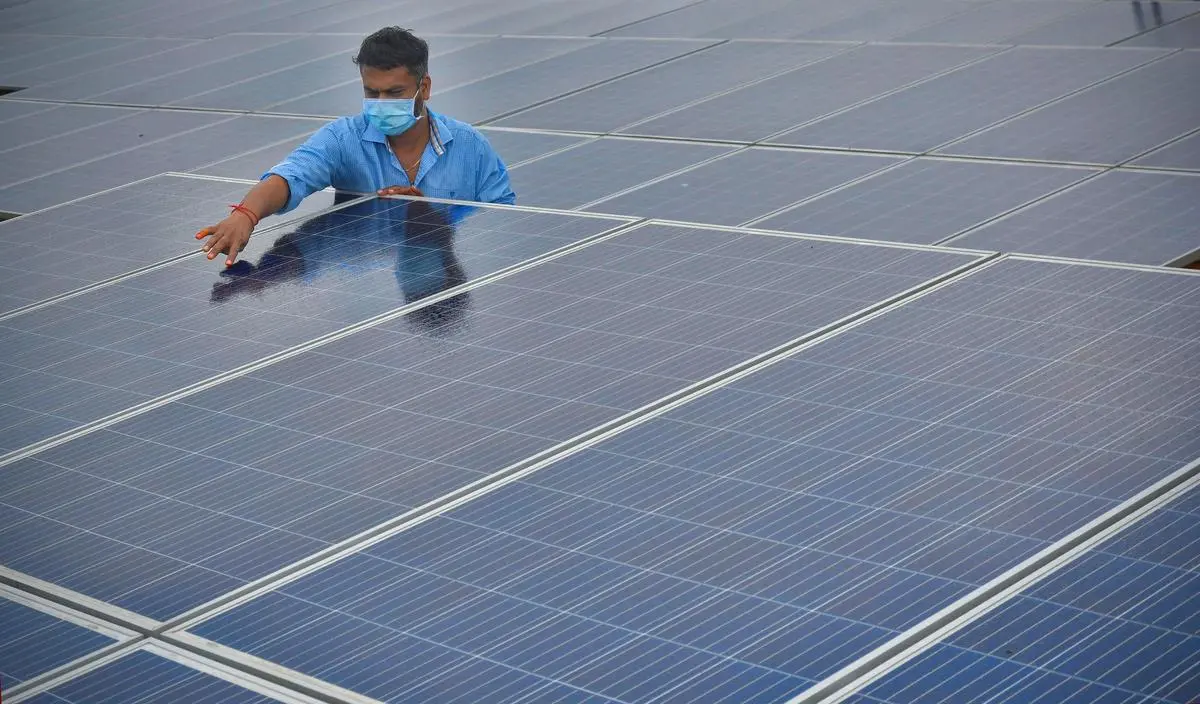
Waaree Energies said its US arm secured the order for solar modules, which are the panels that turn sunlight into electricity. The supply will support a utility-scale project in Kentucky. Utility-scale means the project is built to feed power into the grid, or the big shared electricity network that homes and offices use.
Why does the Waaree solar order matter?
This deal is big for two simple reasons. First, 236 MW is not a small rooftop job. It is the kind of order that helps fill factory lines and brings steady revenue, which means money from regular business.
Second, the US is now one of the hardest but most important solar markets to win. Rules, tariffs, and tax credits keep changing there. A tariff is a tax on imported goods. So when a company lands a large order in the US, investors usually pay attention.
Waaree has been building its name in America while also expanding manufacturing. That matters because buyers in the US increasingly want trusted suppliers, fast delivery, and products that fit local rules. In fact, solar developers often sign supply deals months before a project starts, so dependable manufacturing can make or break a contract.
What exactly is in the Kentucky deal?
The public update says Waaree’s US arm will supply 236 MW of solar modules for a project in Kentucky. The customer name was not highlighted in the source report, which can happen in business deals. Sometimes buyers keep names private until construction gets closer.
Even without the buyer’s name, the size tells us a lot. A 236 MW solar farm is large enough to cover huge open land areas with panels. While output changes with sunlight, projects of this size can power tens of thousands of homes over time, depending on weather and local use.
Here’s a simple way to picture it. One megawatt is 1,000 kilowatts. A kilowatt is a common unit on home electricity bills. So 236 MW equals 236,000 kilowatts of installed capacity.
Waaree Kentucky order: 236 MW236 MW22 MWKentucky orderExample small solar farm2501000
The chart gives a rough size comparison. It shows how large Waaree solar order is beside a much smaller 22 MW example project. It’s not a perfect map of output, but it helps you see the scale fast.
How does this fit Waaree’s bigger US plan?
Waaree has been stepping up its global push, especially in the US. That strategy makes sense because America wants more local and friendly-country solar supply. Friendly-country supply means buying from nations seen as reliable partners.
The company is not alone. Solar firms everywhere are racing to lock in orders before policy changes hit demand. For example, tax credits in the US can boost clean energy projects, but trade actions can also raise costs. That creates both risk and opportunity.
For Waaree, a win like this can do three things. It can strengthen customer trust. It can support future bids. It can also help the firm show that it is more than a domestic Indian player.
If you follow how companies spread risk across markets, this move has something in common with Bajaj Auto’s multi-platform strategy. Different industry, same idea. Don’t depend on only one market if the world is changing fast.
What do the numbers tell us?
Let’s break the key figures into plain English.
| Metric | Number | What it means |
|---|---|---|
| Order size | 236 MW | Large utility-scale solar supply contract |
| Power in kilowatts | 236,000 kW | Shows the project’s installed size in smaller units |
| Country | United States | A major growth market for solar suppliers |
| State | Kentucky | The project location named in the order update |
Those numbers matter because scale drives economics. Economics means how the money works. Bigger orders can lower per-unit costs, because factories run more smoothly when they produce at high volume.
There is also a timing angle. The US added 32.4 gigawatts of solar and storage manufacturing capacity in 2024, according to the Solar Energy Industries Association. A gigawatt is 1,000 megawatts. Meanwhile, developers still need reliable module suppliers as projects move from planning to construction.
The US Energy Information Administration has also said solar is expected to lead new US power capacity additions in recent years, making it one of the fastest-growing energy sources. You can see official power data at the US EIA. That is one reason a Waaree solar order in America stands out.
What could this mean for India-based manufacturers?
Indian clean-tech firms want a bigger share of global energy spending. Spending means the money put into factories, supplies, and projects. So each overseas contract helps build a track record, which is a company’s public record of doing the job well.
That matters even more now because the solar industry is crowded. Chinese manufacturers are still huge. US buyers also care about sourcing rules, shipping timelines, and long-term service. So Indian companies have to compete on price, quality, and trust at the same time.
We’ve seen the same global scramble in other sectors too. For example, our report on ITC’s growth strategy looked at how scale and supply chains shape business bets. Our story on the India-EU scrap export fight also showed how policy can shift trade flows fast.
In energy, those swings can be even sharper. One new tariff can change who wins a contract. One tax break can make a delayed project suddenly viable, which means practical and worth building.
What should readers watch next?
Keep an eye on three things. First, whether Waaree announces more US orders in the next few quarters. A quarter is a three-month business period. One big deal is good, but a string of deals shows momentum.
Second, watch manufacturing updates. If Waaree can supply quickly and meet local rules, it may gain an edge. Third, watch margins, which means profit left after costs. Big orders help, but profits depend on raw material prices, freight, and policy changes.
The clearest takeaway is simple and quotable:
Waaree’s 236 MW Kentucky win shows that Indian solar manufacturers are not just exporting panels. They are competing for large, grid-scale US projects where reliability, timing, and policy fit matter as much as price.
That’s why Waaree solar order is more than a single contract note. It is a small window into a larger race over who will supply the world’s next wave of clean power projects.
FAQs
What is Waaree solar order?
Waaree solar order is the 236 MW solar module supply contract won by Waaree Energies’ US arm for a project in Kentucky.
Why is 236 MW a big number?
Because it is utility-scale. That means the project is large enough to send significant electricity into the power grid, not just one building.
Who uses the solar modules in this deal?
The modules will go to a solar project in Kentucky. Public reports on the deal did not clearly name the end customer.