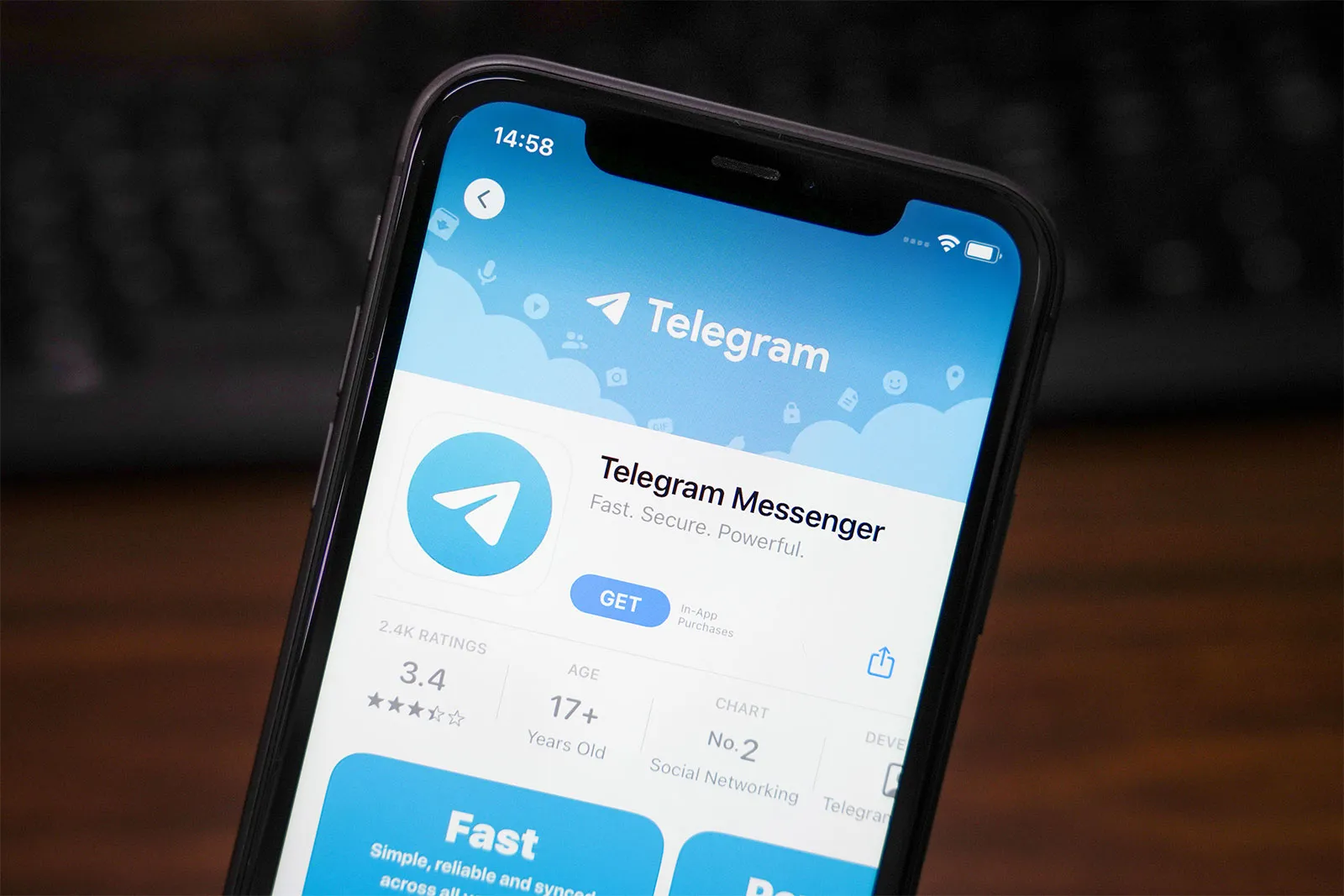
The message-editing feature on Telegram has officially become operational again for users in India, marking the end of a targeted platform restriction imposed by the central government.
While the broader, temporary nationwide ban on the application itself was lifted on June 22, the Ministry of Electronics and Information Technology (MeitY) explicitly mandated that the platform keep its edit functionality blocked until June 30, 2026. With that regulatory deadline passing, normal feature access has been fully restored.
1. Why Was the Feature Disabled?
The Ministry of Electronics and Information Technology (MeitY) and the National Testing Agency (NTA) ordered the feature cut under emergency powers specified in Section 69A of the IT Act to halt cheating syndicates during the high-stakes NEET-UG 2026 re-examination.
Investigators discovered that paper-leak mafias and digital scammers were actively weaponizing Telegram’s message-editing capabilities to fabricate “proof” of question leaks:
- The Timestamp Loophole: Telegram allows a channel administrator or user to completely alter the text or replace an attached PDF within a message long after it has been sent. Crucially, the app retains the original historical timestamp of when the message was first generated.
- Fabricating Evidence: Scammers would post harmless, generic messages days before the national exam. Once the actual test concluded, they edited those old posts to insert the leaked questions or PDFs. They then circulated screenshots of the freshly edited messages with the old timestamps to trick students and parents into believing they possessed the leaked paper beforehand, demanding massive sums of money for subsequent exam access.
 [ Step 1: Pre-Exam Setup ] ──► Scammers post a generic message (e.g., "Hello") on June 15.
                                              │
                                              ▼ (The Exam Concludes)
 [ Step 2: Post-Exam Swap ] ──► actual question paper finishes on June 21.
                                              │
                                              ▼ (The Manipulation)
 [ Step 3: Fabricated Proof] ──► Admin replaces "Hello" with the leaked PDF.
                                  The original June 15 timestamp remains unchanged.
2. Platform Status and Timeline
The restriction triggered a complex game of regulatory cat-and-mouse that temporarily altered the app’s availability in India:
| Phase Timeline | Regulatory Actions / Impact | Platform Availability Status |
| June 16 – June 22 | Full Platform Blocking. MeitY forced a blanket ban on Telegram ahead of the June 21 re-test. | The app was entirely pulled from both the Google Play Store and Apple App Store across India. |
| June 23 – June 30 | Partial Restoration. App store listings returned, and carrier networks unblocked background data syncing. | Platform fully accessible, but editing functions remained strictly disabled for all Indian IP addresses. |
| July 1, 2026 onwards | Complete Normalization. The specific regulatory extension barring text updates officially expired at midnight. | All features fully restored. Indian users can seamlessly edit messages, swap attachments, and use the platform normally. |
While the National Testing Agency acknowledged that taking down platform-wide tools severely inconvenienced millions of legitimate non-student users, officials maintained that the “sledgehammer approach” was textually justified. The Delhi High Court later upheld the temporary restrictions, noting that the threat of automated mass-dissemination of fraudulent material directly compromised the career security of over 22 lakh young minds.
With the examination successfully completed without major security incidents, Telegram has returned to its baseline, standard feature footprint across all Indian mobile and desktop clients.
India Today Report on Telegram Restrictions
This news report outlines how government authorities and cyber experts identified the message-editing loophole being used by exam scam networks, leading to the temporary feature freeze in India.