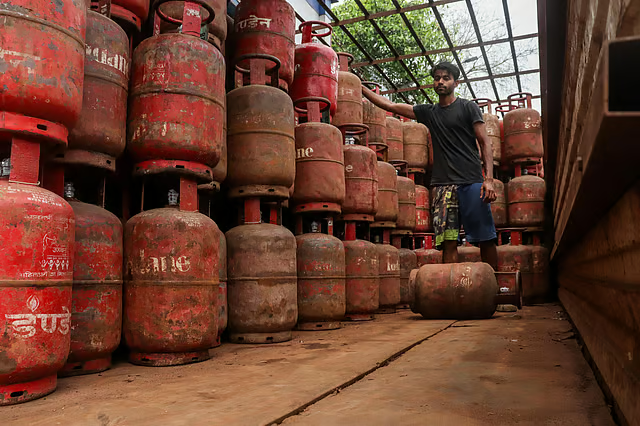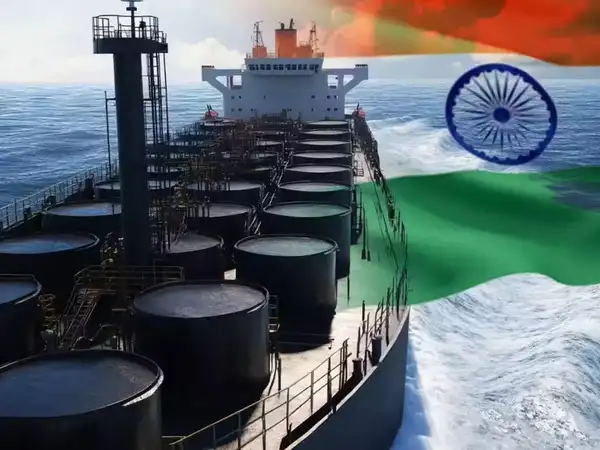
Indian gasoline is petrol made in India and sold to other countries. Russia is now buying Indian gasoline, according to a new report, because its own fuel market is under strain. That matters because Russia is a big oil producer, so buying fuel from abroad is a surprising twist.
Key takeaways
- Russia has reportedly started buying Indian gasoline to ease domestic fuel shortages.
- The move looks unusual because Russia is one of the world’s largest oil producers.
- Refinery outages, attacks, and export curbs have all strained Russia’s fuel supply.
- India can refine crude oil into transport fuels, then sell those fuels where demand is strong.
Why is Russia buying Indian gasoline?
At first glance, this seems backwards. Russia pumps huge amounts of crude oil, which is raw oil from the ground. But crude oil is not the same as gasoline. A refinery turns crude into useful fuels like petrol, diesel, and jet fuel.
Russia has faced fuel stress for months. Some refineries have been hit by drone attacks. Others have gone offline for repairs. When that happens, a country can have plenty of crude oil but still not enough finished fuel for cars, trucks, and farms.
That helps explain why Indian gasoline entered the picture. India has some of the world’s biggest refineries. They buy crude, process it, and ship fuels worldwide. So if Russia needs quick supplies, Indian refiners can step in.
What did the report say?
The report said Russia bought gasoline cargoes from India to deal with shortages at home. A cargo is one full shipment on a tanker. The story matters because Russia has usually been an exporter of fuel, not a buyer.
Reuters has reported similar strains in Russia’s fuel system before, especially after refinery disruptions and seasonal demand jumps. Seasonal demand means people need more fuel at certain times, like harvest season or summer travel. Russia has also used export bans in the past to keep more fuel inside the country.
For readers, the big point is simple. Oil-rich countries can still face petrol shortages if refining gets hit. That’s why this trade flow is getting attention.
How does Indian gasoline reach Russia?
India imports large volumes of crude oil, including discounted Russian crude in recent years. Discounted means sold at a lower price than usual. Indian refineries then turn that crude into fuels and sell them to many markets, depending on prices and demand.
That system can look odd, but it’s normal in global energy trade. One country produces crude. Another country refines it. Then a third country buys the finished fuel. The fuel market moves where margins are best. Margins are the profit left after costs.
India’s role in oil trade has grown since 2022. Its refiners became more important because they could process cheap crude and export higher-value products. That wider trade shift is one reason India keeps showing up in energy headlines, much like in our coverage of the India-Japan summit on chips, AI, and energy.
What numbers matter here?
The report did not frame this as a giant, market-changing surge. It pointed to a notable trade move during a shortage. Even so, the context matters more than the raw shipment count, because Russia is rarely expected to import petrol from abroad.
Russia is one of the world’s top oil producers, pumping roughly 9 million barrels a day in recent months, based on public energy estimates. A barrel holds about 159 litres. India, meanwhile, has refining capacity of more than 5 million barrels a day, making it one of the biggest refining hubs in Asia.
Fuel demand can swing fast. A single refinery outage can remove hundreds of thousands of barrels a day of processing capacity. If several plants slow at once, even a major producer can feel a pinch.
Key energy numbersRussia oil output ~9m bpdIndia refining capacity 5m+ bpd1 barrel = 159 litres
How unusual is this for Russia?
It’s unusual enough to make news. Russia usually sells oil and fuels abroad. When it starts buying Indian gasoline, that suggests the problem is less about oil in the ground and more about turning oil into ready-to-use fuel.
Russia has tried several fixes before. It has limited some exports. It has also leaned on stockpiles. Stockpiles are stored supplies kept for later use. But those steps do not always solve short-term shortages in every region.
This is also a reminder that modern fuel systems are tightly linked. Even countries under sanctions still interact with global markets in complex ways. Sanctions are official restrictions used by governments to pressure another country.
What does this mean for India and global oil trade?
For India, the story highlights refinery strength. Indian refiners can buy crude from one place and sell fuel to another, so they have become key middle players in energy markets. That makes India more important in global trade, even when the original oil comes from elsewhere.
For the world, this is less about a shortage of oil and more about a shortage of processing. Processing means converting crude into usable fuels. That’s why refinery outages can shake prices quickly, as we also saw in our report on how crude oil prices moved when Hormuz traffic stayed open.
It also fits a wider pattern. Trade routes are shifting, buyers are adapting, and refiners are gaining influence. We’ve seen a similar theme in infrastructure-heavy sectors, including our piece on advanced chip packaging, where the bottleneck is not the raw material but the step that makes it useful.
Quick comparison: crude oil vs gasoline
| Item | What it is | Why it matters here |
|---|---|---|
| Crude oil | Raw oil pumped from the ground | Russia has lots of it |
| Gasoline | Finished fuel for cars and bikes | Russia reportedly needed extra supply |
| Refinery | Plant that turns crude into fuels | Outages can cause shortages |
Where did the information come from?
The report was cited by CNBC-TV18 and traced to market shipping data. Shipping data tracks tanker movements and cargo deliveries. These reports are common in energy markets because ships leave clues about who is buying what and where it is going.
For primary source context, readers can check Reuters coverage of Russian fuel market disruptions and India’s oil trade, as well as official energy data from the International Energy Agency and the U.S. Energy Information Administration. Those sources help explain the larger market picture, even when one shipment grabs the headline.
Russia buying Indian gasoline shows a simple truth: a country can be rich in crude oil but still run short of petrol if its refineries are damaged, offline, or unable to meet demand.
FAQs
Why would Russia buy fuel if it produces so much oil?
Because oil and gasoline are not the same thing. Russia may have enough crude, but refinery problems can still leave it short of petrol.
What is Indian gasoline?
Indian gasoline is petrol refined in India. It may be made from crude bought from several countries, then exported where buyers need it.
Will this change global fuel prices?
Probably not by itself. But it does show how refinery outages and trade shifts can tighten fuel markets very fast.