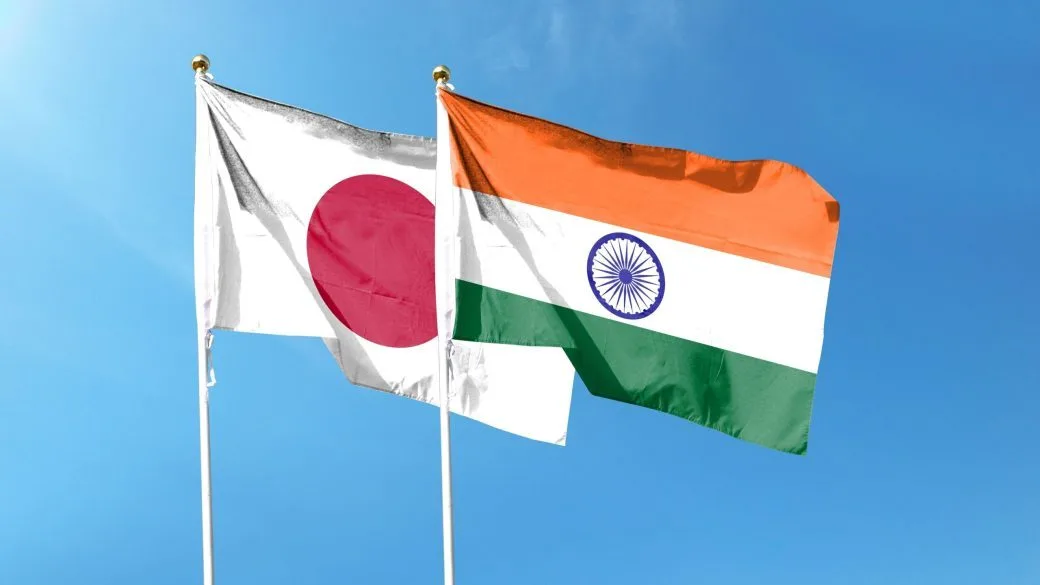
The India Japan summit is a top-level meeting between leaders from India and Japan. This time, the India Japan summit is centered on four big themes: semiconductors, AI, energy, and Indo-Pacific security. That matters because both countries want safer supply chains and steadier ties in Asia.
Key takeaways
- India and Japan are expected to discuss chips, AI, clean energy, and regional security.
- Both sides want to reduce supply risks, especially for key tech parts and fuel needs.
- Semiconductors are tiny chips that power phones, cars, and data centers.
- The visit also matters for the Indo-Pacific, a region that includes the Indian and Pacific Oceans.
Why is the India Japan summit happening now?
The timing is not random. India is pushing hard to build factories, data systems, and energy links. Japan, meanwhile, wants trusted partners in Asia because global supply chains have become more fragile.
That makes this India Japan summit more than a routine visit. It comes as countries rethink who makes their chips, where clean energy money goes, and how to keep sea routes open. Those sea routes carry oil, gas, and goods worth billions.
The bigger backdrop is tension in the Indo-Pacific. That phrase sounds abstract, but it really means the huge area where many of the world’s trade ships move. If that space becomes less stable, prices can rise and deliveries can slow.
What are India and Japan likely to discuss?
The agenda points to four areas. First is energy. Second is artificial intelligence, or AI. Third is semiconductors. Fourth is regional security in the Indo-Pacific.
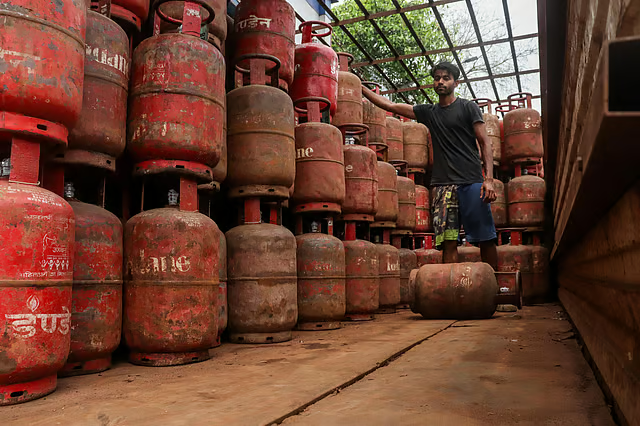
Energy matters because both countries need reliable power for growth. India needs more electricity for homes, trains, and factories. Japan needs secure fuel supplies and stronger clean energy ties after years of energy shocks.
AI is also on the list because it is becoming basic digital infrastructure. Infrastructure means the core systems a country uses every day. In this case, that includes data centers, cloud tools, and advanced software.
Semiconductors may get the most attention. These chips sit inside almost every modern machine. A car can use hundreds of them, while a smartphone uses many tiny, highly packed chips.
Why do semiconductors matter so much?
Think of semiconductors as the brains of electronics. No chips means no phones, weaker car output, and delays for factories. That is why governments now treat chip supply like a strategic issue, not just a business topic.
India has already approved major chip plans at home. For example, the government recently backed India Semiconductor Mission 2.0 with ₹1.25 lakh crore. That is a huge public push to help build the local chip ecosystem.
Japan brings experience here. Its companies have long worked in chip materials, tools, and precision manufacturing. So the India Japan summit could help match India’s scale with Japan’s technical depth.
Even one modern chip plant can cost billions of dollars. Some advanced fabs, or fabrication plants, cost more than $10 billion. A fab is the factory where chips are made in super-clean rooms.
India Japan summit: focus areasLowHighChipsAIEnergySecurity
What could this mean for energy and AI?
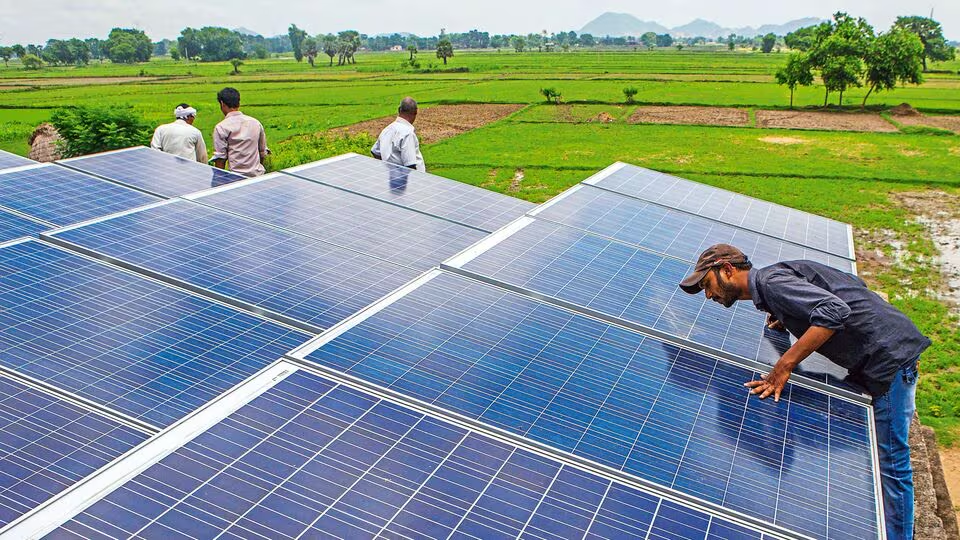
On energy, the two sides may look at both traditional fuel and cleaner options. Cleaner options can include hydrogen, renewables, batteries, and grid technology. A grid is the network that moves electricity from power plants to homes and factories.
That matters for industry. Data centers, chip units, and EV factories all need stable power. If power is costly or patchy, investment slows.
On AI, the practical question is not just chatbots. It is whether India and Japan can work together on computing power, trusted data use, and industrial automation. Automation means machines and software doing tasks with less human effort.
Japan has strength in robotics and high-end manufacturing. India has a fast-growing digital economy and a huge software talent pool. So the India Japan summit could push joint projects that are more useful than flashy headlines.
| Area | Why it matters | What cooperation may look like |
|---|---|---|
| Semiconductors | Needed for phones, cars, servers | Materials, tools, fab investment |
| AI | Drives software and factory upgrades | Research, computing, industrial use |
| Energy | Powers growth and manufacturing | Clean energy, fuel security, grids |
| Indo-Pacific | Keeps trade routes more stable | Strategic coordination, sea-lane focus |
How does the Indo-Pacific piece affect everyday life?
It may sound far away, but it is not. Much of Asia’s trade moves by sea. If routes face risk, then shipping costs often climb, and consumers can feel that later through higher prices.
This is why security talks sit beside business talks. A stable Indo-Pacific helps protect supply chains. Supply chains are the steps used to make and move a product from raw material to shop shelf.
India and Japan have talked for years about a free, open Indo-Pacific. That idea supports open sea routes and rules-based trade. Rules-based means countries follow agreed rules instead of raw pressure.
For India, this also fits a bigger push to become a trusted manufacturing base. For Japan, it helps reduce overdependence on any single country for key imports and parts.
What should readers watch after the India Japan summit?
Watch for specific deals, not just warm words. The best clues will be in joint statements, investment plans, and technical partnerships. Those details show whether the India Japan summit leads to action.
Readers should also watch chip and finance links. We have already seen fresh movement in digital payments through mobile-first netbanking plans and in financial sector expansion through new lending moves by Airtel Money. Big state-to-state deals can shape the next wave of private investment too.
Another area to track is bond and infrastructure funding. Foreign money has been flowing into Indian debt, as seen in June bond purchases by foreign investors. That matters because long-term projects need large, patient capital.
A simple way to read this moment is this: India wants scale, Japan wants trusted capacity, and both want resilience. Resilience means the ability to keep going even when shocks hit. If that shared goal turns into projects, this visit could matter long after the cameras leave.
For primary details, readers can track official updates from India’s Ministry of External Affairs and Japan’s Ministry of Foreign Affairs. Those are the best places to confirm announcements and joint statements.
The clearest takeaway is simple: the India Japan summit is not just about diplomacy. It is about who builds the chips, powers the factories, and secures the sea routes that modern economies need every day.
FAQs
What is the India Japan summit?
The India Japan summit is a top-level meeting between Indian and Japanese leaders. They use it to discuss trade, technology, energy, and regional security.
Why are semiconductors central to this meeting?
Because chips power phones, cars, and servers. Without reliable chip supply, factories slow and prices can rise.
How could this visit affect India?
It could bring investment, technology ties, and stronger supply chains. It could also help India grow its chip, AI, and clean energy plans faster.