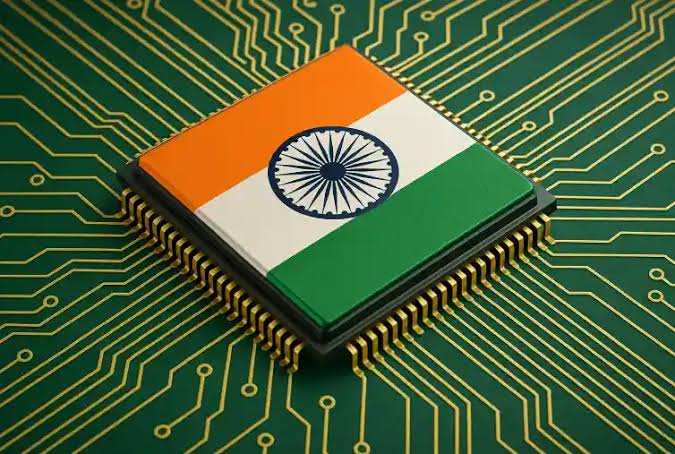
India Semiconductor Mission 2.0 has cleared a big step in New Delhi. India Semiconductor Mission 2.0 is the government’s next chip-building plan. A finance ministry panel has approved an outlay of ₹1.25 lakh crore. That is ₹125,000 crore, or about $15 billion at roughly ₹83 per dollar.
Key takeaways
- India Semiconductor Mission 2.0 has won finance ministry panel approval.
- The proposed outlay is ₹1.25 lakh crore, much larger than the first round.
- The money is expected to support chip plants, packaging units, and the wider supply chain.
- India wants to cut import dependence and build a local electronics base.
- The final rollout still depends on formal government action and project execution.
What just happened in India Semiconductor Mission 2.0?
A panel in the finance ministry has approved the broad plan for India Semiconductor Mission 2.0, according to the source report. This does not mean every rupee is spent today. But it does mean the proposal has crossed a key gate inside the government.
Semiconductors are tiny chips that help phones, cars, servers, and power systems work. They are like the brains inside modern machines. Because of that, countries now treat chip supply as a strategic issue, which means it matters for both business and national security.
The new package is set at ₹1.25 lakh crore. That is much higher than the first India Semiconductor Mission, which was approved in 2021 with an outlay of ₹76,000 crore. The jump is ₹49,000 crore, or about 64% more.
India chip plan outlay20212.0₹76,000 cr₹1,25,000 cr
Why does India Semiconductor Mission 2.0 matter?
India imports a huge share of the chips used in electronics. That leaves companies exposed when global supply gets tight. We saw that clearly in the pandemic years, when chip shortages slowed car factories and pushed up gadget prices.
So the government wants more production at home. If India can build chips, package them, and test them locally, companies may face fewer delays. Packaging means sealing and connecting the chip so it can be used inside a device.
This also fits India’s larger manufacturing push. New chip plants can attract suppliers for chemicals, gases, tools, and clean-room services. A clean room is a super-clean factory space where even tiny dust can ruin a chip.
Where could the ₹1.25 lakh crore go?
The source report says the second mission will support the semiconductor ecosystem more broadly. That usually means more than one type of project. It can include fabrication plants, assembly and testing units, compound semiconductors, and design support.
A fabrication plant, or fab, is the factory where chips are made on wafers. A wafer is a thin round slice of material used to build chips. These plants are very costly, so government support often matters a lot in the early years.
India has already backed several chip-linked projects under the first mission. Those include packaging and display-related investments. Display units make screens, while chip packaging units prepare chips for final use.
| Item | First mission | Mission 2.0 |
|---|---|---|
| Approved outlay | ₹76,000 crore | ₹1.25 lakh crore |
| Difference | ₹49,000 crore more | |
| Increase | About 64% | |
What problems is India still trying to solve?
Big money helps, but money alone is not enough. Chip projects need stable power, lots of water, skilled workers, and long-term policy support. They also need buyers who trust that plants will run well for years.
Then there is the hard part: advanced technology. The most cutting-edge chips come from a small group of global leaders. India may first grow faster in packaging, specialty chips, and support services before it becomes strong in leading-edge fabrication.
That is not a small goal. In fact, even packaging and testing can create jobs and draw in global firms. Once that base gets stronger, deeper manufacturing becomes easier.
How does this fit India’s wider tech strategy?
India is trying to build more of the digital stack at home. That includes chips, telecom links, data centers, and AI systems. You can see the same pattern in our coverage of Tata Communications’ subsea cable plan and India’s AI strategy around open-source models.
It also connects to demand from fast-growing electronics sectors. Electric vehicles, smart devices, and industrial machines all need chips. Our recent reports on the India EV market inflection point and Tata Motors EV demand running ahead of supply show why local component capacity matters.
One simple way to think about it is this: if India wants to make more electronics, it also needs more of the key parts. Chips are one of the most valuable of those parts. Without them, factories cannot finish products.
What should readers watch next?
The approval by the finance ministry panel is a major sign, but it is not the last step. Readers should now watch for a formal cabinet decision, scheme details, and project-level announcements. Those details will show who gets support, for what, and on what terms.
Keep an eye on whether the plan backs only giant fabs or also smaller, faster projects. Smaller projects can start sooner and build real capacity step by step. That can matter because chip ecosystems grow like cities, not like a single building.
Watch the numbers too. If even 10 large and mid-sized projects move, the effect could spread far beyond one industry. It could touch jobs, exports, engineering education, and India’s trade bill over the next five to ten years.
India Semiconductor Mission 2.0 is a much bigger second push to build chips and chip-linked factories in India, so the country relies less on imports and gains more control over a critical technology.
For primary source context, readers can track policy updates from the Ministry of Electronics and IT and budget decisions from the Ministry of Finance.
FAQs
What is India Semiconductor Mission 2.0?
It is the government’s proposed second major chip incentive plan. It aims to support semiconductor factories and the wider supply chain in India.
Why is ₹1.25 lakh crore a big deal?
It is a very large public support package. It is about 64% bigger than the ₹76,000 crore first mission.
Who could benefit from India Semiconductor Mission 2.0?
Chip makers, packaging firms, equipment suppliers, engineers, and electronics companies could all benefit. Consumers may gain too if supply becomes more stable over time.