Key takeaways
- IBM has allotted a system for Amaravati’s new quantum push in Andhra Pradesh.
- Quantum computer Amaravati is a plan to bring advanced computing, research, and training to one place.
- The project could help colleges, startups, and government teams test hard problems faster.
- It also fits a wider race, because India wants a stronger place in deep tech.
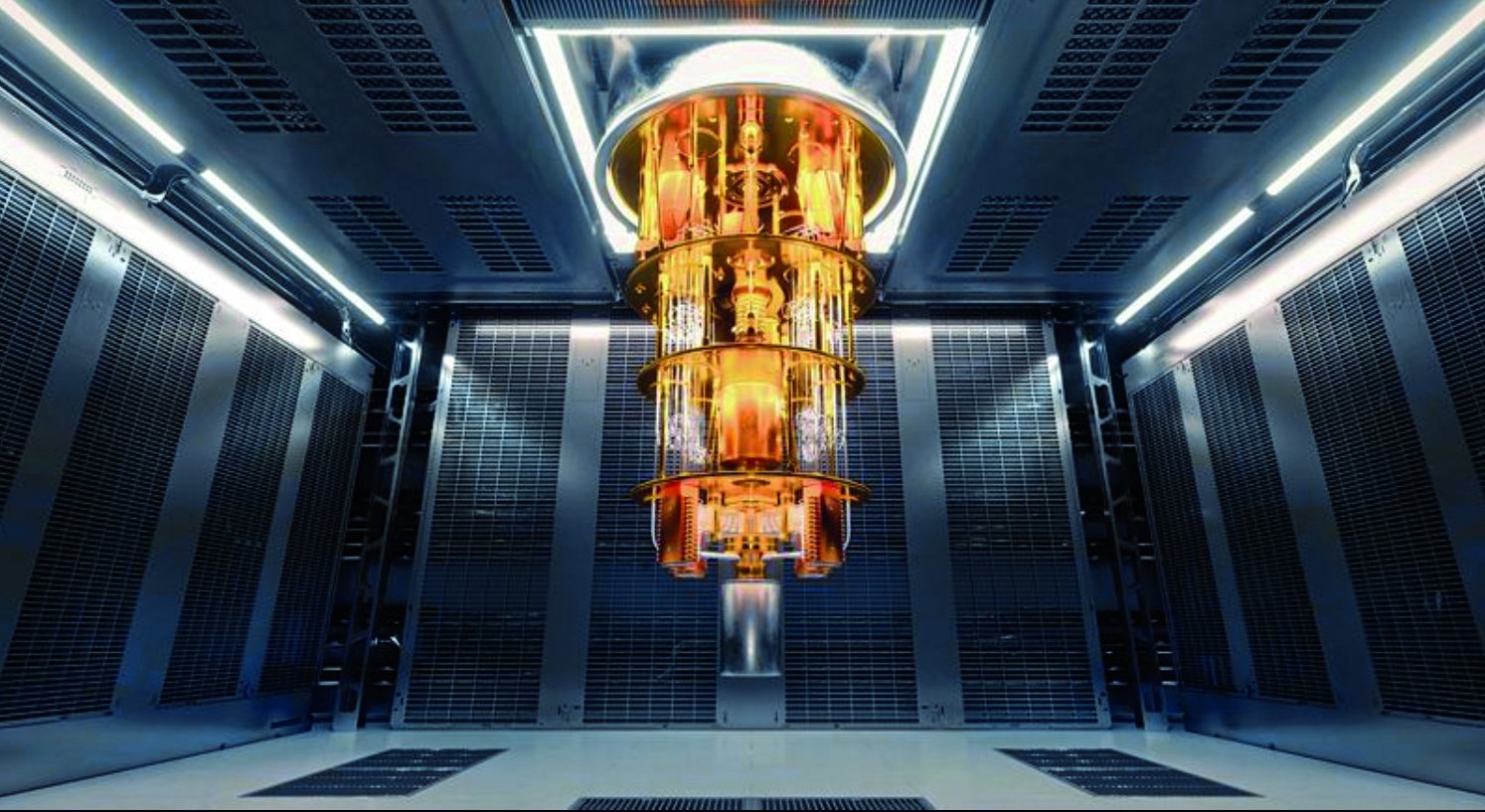
Quantum computer Amaravati is IBM’s move to place quantum computing capacity in Andhra Pradesh’s planned tech hub. A quantum computer is a machine built for some very hard math problems. It works differently from normal computers, so researchers hope it can speed up work in science, materials, and secure systems.
That makes this more than a ribbon-cutting story. It is a sign of what Amaravati wants to become. The city is trying to build a quantum valley, and IBM’s backing gives that idea a real machine, not just a slogan.
Why is quantum computer Amaravati a big deal?
Most people use normal computers every day. Those machines use bits, which are tiny units that hold a 0 or 1. Quantum machines use qubits. A qubit can act in more than one state at once, which is why scientists get excited about them.
That does not mean your laptop is about to vanish. Quantum systems are not better at everything. They are best for certain jobs, like simulating molecules, testing complex routes, or solving giant optimisation problems. Optimisation means finding the best answer from many choices.
So the Amaravati step matters because access is often the hard part. Quantum computers are expensive, rare, and tough to run. If a regional hub gets one, students and researchers can learn on the real thing instead of only reading about it.
IBM said it has allotted a quantum computer for Amaravati Quantum Valley, according to the source report. That gives Andhra Pradesh a headline project in a field where only a few places can claim direct access. For a young tech cluster, that kind of signal can attract talent and money.
What is Amaravati Quantum Valley supposed to do?
The basic idea is simple. Bring universities, companies, and government into one network. Then give them tools, training, and projects that turn a lab idea into useful work.
Amaravati Quantum Valley aims to be that kind of hub. A hub is a place where many groups work together. Instead of one college running alone, the valley model tries to connect classrooms, startups, big firms, and public agencies.
This could help on three fronts. First, it can train students. Second, it can support research. Third, it can help startups test products without spending huge sums on their own machines.
That last part matters a lot. A startup usually cannot buy advanced hardware that may cost millions of dollars to build and maintain. Shared access cuts that barrier, so more teams can at least try.
What numbers help explain the scale?
Quantum computing is still a small field, but investment is rising fast. India approved a National Quantum Mission worth ₹6,003.65 crore in 2023. That is roughly a multi-year national push to build skills, research labs, and homegrown technology.
IBM’s global roadmap has also moved steadily. The company has built systems with more than 100 qubits in recent years, while the exact configuration for Amaravati has not been detailed in the source report. A qubit is the basic unit of a quantum machine, much like a bit in a regular computer.
For a simple picture, think of three levels of access. Zero means no local system. One means remote cloud access only. Two means a named local allocation tied to a regional valley project. Amaravati has now moved up that ladder.
Key numbers behind the Amaravati quantum push3 goals100+IBM qubits*₹6,003.65 crskillsresearchstartupsglobalIBM scaleIndia mission*Global IBM systems; Amaravati system size not stated in source report.
The state also wants a wider tech identity. Andhra Pradesh has been pitching itself on infrastructure, digital services, and industry. You can see that push in other state-linked moves, such as Andhra tax revenue jumps 16% in June to near ₹5,000 crore, which showed the state’s effort to widen economic activity.
| Area | What it means | Why it matters |
|---|---|---|
| Training | Students learn quantum tools | Builds local talent |
| Research | Labs test new ideas | Could lead to patents and papers |
| Startups | Young firms use shared access | Lowers early costs |
| Government | Public teams explore use cases | May improve planning and services |
How could people actually use it?
At first, most work will likely be research and training. That may sound distant, but it is how many new technologies start. You learn, test, fail, improve, and only then build something people use every day.
For example, chemistry teams may model molecules faster. Logistics groups may test route planning. Cybersecurity teams may study new forms of encryption. Encryption means coding data so outsiders cannot read it.
There is also a talent angle. A student in Andhra Pradesh may now point to real quantum lab work on a resume. That matters because companies hire for hands-on skill, not just classroom notes.
If the valley grows well, it could create a small but important pipeline. Colleges train people. Startups keep them local. Larger firms then have a reason to open teams nearby.
What are the risks and limits?
Quantum computing still has hype around it. Hype means excitement that can run ahead of reality. So it is smart to stay calm.
These machines are hard to build and even harder to use well. They need experts, software tools, and clear problems to solve. If a project has a flashy machine but weak training, the impact can fade fast.
That is why ecosystem building matters more than one announcement. Amaravati needs teachers, researchers, startup mentors, and steady funding. It also needs useful local projects, not only big launch events.
There is another challenge too. India is not alone in this race. The US, China, and Europe have been spending for years, and private firms are moving quickly. Readers tracking the wider AI and deep-tech buildout may also want to see why AI chips need advanced chip packaging now and how the AI chip race gives Indian chip startups a new opening.
Why does this matter for India’s tech future?
India often talks about not missing the next big tech wave. That is the bigger story here. Quantum could become one of those waves, even if it takes years to mature.
A project like quantum computer Amaravati gives India one more testing ground. It creates a place where policy, hardware, and skills can meet. In fact, that is often how strong tech regions begin.
It also adds to a wider pattern. Countries want more control over important technologies, from chips to AI to cloud systems. That concern is visible in debates over digital independence, such as warnings about outsourcing AI sovereignty.
Here is the clearest way to say it:
IBM’s allocation gives Amaravati a real foothold in quantum computing, but the long-term win will depend on whether the state turns that access into skills, research, startups, and useful products.
That is the test now. Not just whether a machine arrives, but whether a local ecosystem grows around it. If it does, quantum computer Amaravati could become a marker for India’s next phase in deep tech.
For primary details, readers can track IBM’s own quantum work at IBM Quantum and India’s broader policy framework at the Department of Science and Technology.
FAQs
What is quantum computer Amaravati?
Quantum computer Amaravati refers to IBM allotting quantum computing capacity for Amaravati Quantum Valley in Andhra Pradesh. The goal is to support learning, research, and startup work.
How is a quantum computer different from a normal computer?
A normal computer uses bits with values of 0 or 1. A quantum computer uses qubits, which can behave in more complex ways. That can help with some hard problems, but not every task.
Why does Amaravati want this project?
Amaravati wants to become a stronger tech hub. Quantum access can bring students, researchers, and companies together, so the city has a better shot at building a real deep-tech ecosystem.