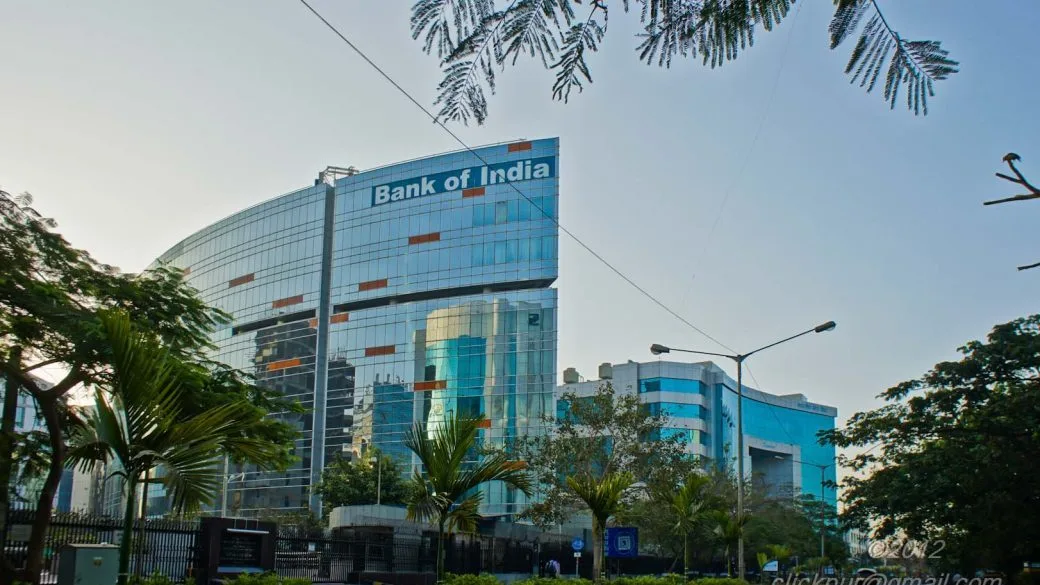
Bank of India Q1 business update shows the lender grew loans faster than deposits in the April to June quarter. Bank of India Q1 business update means a quick snapshot of how much money the bank lent and collected before full earnings arrive. That matters because it gives investors an early clue about growth. It also hints at where demand is strongest.
Key takeaways
- Loans grew 12.7% from a year ago to about ₹6.94 lakh crore.
- Deposits rose 10% to about ₹9.95 lakh crore, close to the ₹10 lakh crore mark.
- Retail, agriculture and MSME loans led growth, while total advances also rose from March.
- The loan-deposit gap widened, so investors will watch funding costs and margins next.
What happened in the Bank of India Q1 business update?
Bank of India said its global business kept growing in the first quarter of FY26. Global business means the bank’s total loans and deposits together. That figure reached about ₹16.89 lakh crore, up from roughly ₹15.85 lakh crore a year earlier.
The bigger story was on loans. Gross advances, which means total loans before setting aside bad-loan buffers, rose 12.7% year on year to around ₹6.94 lakh crore. They also climbed from about ₹6.77 lakh crore at the end of March, so growth did not stall after the last quarter.
Deposits increased too, but at a slower pace. Total deposits rose 10% from a year ago to around ₹9.95 lakh crore. That’s just a shade under the big ₹10 lakh crore line, and that round number often catches the market’s eye.
Why did Bank of India shares react?
Shares rose because the market liked the loan growth. Investors often cheer when a bank lends more, since loans are how banks make much of their money. But they also check whether deposits keep up, because banks need those deposits to fund fresh lending.
Think of it like a water tank. Loans are water flowing out to homes and shops, while deposits are water coming in. If outflow rises faster than inflow for too long, the bank may need costlier funding, and that can squeeze profit.
That is why the next full earnings report will matter. Investors will want to see margins, asset quality, and costs. Margin means the gap between what a bank earns on loans and pays on deposits. Asset quality means how healthy the loan book is, or how likely borrowers are to repay.
Which parts of lending drove growth?
The Bank of India Q1 business update pointed to strong growth in retail, agriculture and MSME loans. Retail loans are money lent to people for homes, cars or personal needs. MSME stands for micro, small and medium enterprises. These are smaller businesses, like local factories, repair shops, and family-run firms.
This mix matters because it shows where demand is alive. Retail lending is often spread across many borrowers, so risk is not tied to just a few large companies. Farm loans can rise around sowing seasons, while MSME credit can signal how smaller businesses feel about the economy.
Here is a simple comparison of the key numbers.
| Metric | Q1 FY26 | Year-on-year change |
|---|---|---|
| Gross advances | ₹6.94 lakh crore | +12.7% |
| Total deposits | ₹9.95 lakh crore | +10.0% |
| Global business | ₹16.89 lakh crore | About +6.6% |
Bank of India Q1 business update in one chart
The chart below shows the growth gap. Loans grew faster than deposits by 2.7 percentage points. That is not huge, but it is enough to keep analysts watching funding closely.
Bank of India Q1 business update: growth ratesLoansDeposits12.7%10.0%04812
What does this mean for customers and investors?
For customers, the update suggests Bank of India is still lending actively. That’s helpful if you want a home loan, a farm loan, or credit for a small business. But loan pricing will depend on competition, deposit costs, and the Reserve Bank of India’s rate path. The RBI sets key policy rates that influence borrowing costs across banks.
For investors, this is a good early read, not the full movie. Business updates do not show profit, bad loans, or treasury gains. Treasury gains mean money a bank can earn from its bond portfolio. So the headline growth looks solid, but the final earnings numbers will tell us how profitable that growth really was.
A bank can grow fast and still disappoint if costs rise too much. In fact, many lenders now face a tight fight for deposits, especially retail deposits from households. That pressure can lift interest rates on savings products and term deposits.
How does this fit the wider banking picture?
Across India, banks have been trying to balance loan growth with slower deposit growth. That has become a theme in recent quarters. If deposits lag, banks may borrow from other sources, but those sources can cost more than regular customer deposits.
This is one reason bank watchers track the loan-deposit ratio closely. The loan-deposit ratio shows how much of deposits a bank has lent out. A higher ratio can boost earnings in good times, but it can also raise pressure if funding gets tight.
Bank of India’s update lands at a time when markets are comparing lenders on exactly these points. Investors have also been looking across the financial sector for signs of stress or strength, just as they did in our report on FPI holdings in Indian equities hitting a 20-year low. And state revenue trends can shape spending and demand, as seen in our piece on Andhra tax revenue jumping 16% in June.
For more on the source filing style banks use, readers can check disclosures at the BSE. Bank-level financial releases and investor updates are also posted on the Bank of India website.
What should you watch next?
The next big check is the full quarterly result. Watch three things. First, did margins hold up? Second, did bad loans stay under control? Third, did retail, agriculture and MSME growth remain strong without hurting asset quality?
One plain way to say it is this:
Bank of India grew loans faster than deposits in the first quarter, which is a positive sign for demand but also a warning to watch funding costs in the full earnings report.
That single sentence captures why the update matters. It is good news, but not simple news. Growth looked healthy. Now the market wants proof that the growth was also efficient and safe.
If you follow credit and industry trends, you may also like our coverage of Paisalo Digital stake plans and how funding choices shape lenders. For the business side of smaller firms, our story on the Odisha deep sea fishing mission shows the kind of sectors that often need bank credit to expand.
FAQs
What is Bank of India Q1 business update?
It is an early quarterly snapshot. It shows major business numbers like loans and deposits before the full earnings report.
Why did Bank of India shares rise?
Shares rose because loan growth was strong at 12.7%. Investors saw that as a sign of healthy credit demand.
Why do deposits matter so much?
Deposits help fund loans. If deposits grow too slowly, a bank may need costlier money from other sources.
When will the full picture become clear?
It will become clearer with the full quarterly earnings. That report will show profit, margins, and bad-loan trends.