Key takeaways
- Odisha approved a ₹2,295 crore plan to expand deep sea fishing and seafood exports.
- The target is ₹5,000 crore in marine exports, which means seafood sold to other countries.
- The plan backs boats, harbours, cold chains and training, so fish can be caught, stored and sold better.
- It could raise incomes in coastal districts, but success will depend on ports, safety and market demand.
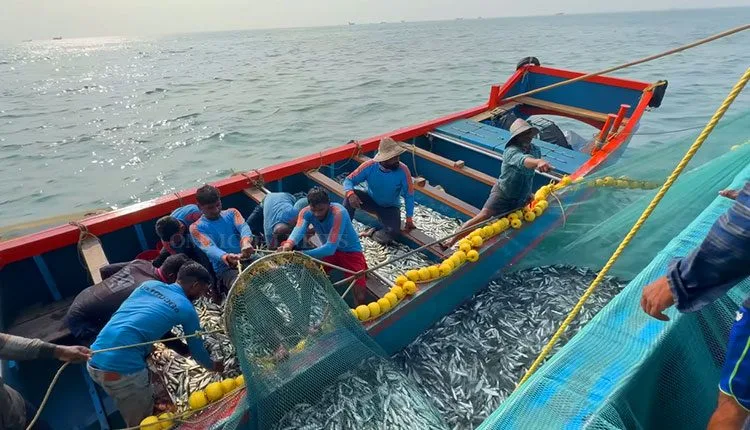
Odisha deep sea fishing mission is a new state plan to help fishers go farther into the sea and earn more. Odisha deep sea fishing mission means public money will support boats, fish landing hubs and export systems. The Odisha Cabinet cleared the plan at ₹2,295 crore. The state wants marine exports to reach ₹5,000 crore.
That headline sounds big, because it is. Fishing is a daily job for many families in Odisha’s coastal belt. But many fishers still work close to shore, where catches can be smaller and weather risks can hurt trips fast.
Why did Odisha approve the Odisha deep sea fishing mission?
The state wants a larger share of India’s seafood trade. Deep sea fishing means going farther from the coast to catch high-value fish. These are species that can sell for better prices in export markets.
Odisha has a long coastline of about 480 kilometres. It also has ports, fishing centres and a large marine workforce. So the government sees room to build a bigger seafood business from that base.
The ₹2,295 crore budget is meant to fix old gaps. Those gaps include weak cold storage, aging boats and limited processing. Processing means cleaning, sorting and packing fish before sale.
If fish spoils, fishers lose money fast. That’s why ice plants, cold rooms and transport matter. A cold chain is a chilled supply system that keeps food fresh from boat to buyer.
What will the Odisha deep sea fishing mission actually fund?
The state has said the mission will support the full fishing chain. That includes catching fish, bringing it to shore and selling it well. In plain words, it is not just about boats.
First, the plan is expected to support deep sea fishing vessels. A vessel is a large boat used for work at sea. Bigger boats can travel farther and stay out longer, so they can target deeper waters.
Second, the mission will improve harbours and fish landing centres. These are places where boats unload their catch. Better docks can save time, reduce waste and make hygiene checks easier.
Third, it should boost seafood processing and storage. That could include freezers, ice plants and packing units. These help keep fish fresh for domestic markets and export buyers.
Fourth, the state is likely to build support systems for fishers. That can mean training, safety gear and market links. Market links are the routes that connect sellers to wholesalers, factories and foreign buyers.
Odisha deep sea fishing mission: key numbers₹2,295 cr₹5,000 crMission outlayExport target
How big are the numbers here?
Two numbers lead this story. One is ₹2,295 crore, which is the mission’s approved cost. The other is ₹5,000 crore, which is the marine export target the state wants to reach.
That means the export goal is more than double the plan outlay. To be exact, ₹5,000 crore is about 2.18 times ₹2,295 crore. Of course, exports are sales, not profit, so the real income gain will depend on costs.
Still, the scale matters. A crore is 10 million rupees. So ₹2,295 crore equals ₹22.95 billion, and ₹5,000 crore equals ₹50 billion.
| Item | Figure | What it means |
|---|---|---|
| Mission outlay | ₹2,295 crore | State spending plan for fishing and support systems |
| Marine export target | ₹5,000 crore | Goal for seafood sales to overseas buyers |
| Odisha coastline | ~480 km | Long coast that supports marine fishing activity |
What could this mean for fishers and coastal towns?
If the plan works well, fishers could earn more from each trip. That can happen if they catch higher-value fish or lose less spoilage. Even a small rise in sale price can make a big difference over a season.
Coastal towns may also gain new jobs. Processing plants need workers, drivers, packers and technicians. A technician is a skilled worker who runs or repairs machines.
Then there is the export side. Export demand often requires strict quality checks. Those checks can push better handling, cleaner landing centres and faster transport.
But there are risks too. Fuel costs can rise. Rough weather can delay trips. And overseas demand can change if prices drop or trade rules shift.
The simple idea is this: Odisha wants fishers to catch better-value fish farther offshore, bring it back safely, and sell more of it at home and abroad. If the support systems work, the state could turn a coastal strength into a bigger export business.
What needs to happen next for the Odisha deep sea fishing mission?
Cabinet approval is the start, not the finish. The state now has to spell out how the money will be spent. That includes timelines, district-level projects and rules for who gets support.
Execution will matter most. A harbour upgrade on paper does not help anyone. Boats, cold rooms and training must reach the ground on time.
Safety will also be key, because deeper waters bring bigger risks. Fishers need navigation tools, weather alerts and rescue support. Navigation tools help crews know where they are at sea.
The state may also need private partners. These can include seafood exporters and processors. Private firms can help build demand, while the government builds the base systems.
How does this fit into India’s wider seafood push?
India is one of the world’s large seafood exporters. States compete to grow value, not just volume. Value means earning more money from better products and better handling.
That is why Odisha’s move fits a wider trend. States are trying to modernise agriculture and fisheries. For example, stronger logistics often matter as much as higher output.
If you want to see how public policy can reshape sectors, our report on the India Semiconductor Mission 2.0 shows a similar build-first approach. And our story on Delhi UP highway projects explains why infrastructure spending can change local economies.
For readers tracking digital public systems, you can also read our piece on the Aadhaar app update. It is a very different sector, but the same basic question applies: can state systems become easier, faster and more useful?
Where can readers verify the official details?
The core announcement came after a state cabinet decision reported by multiple news outlets. Readers should also watch for official notes from the Government of Odisha and updates from the state’s fisheries department. Primary sources matter because details can change after the first headline.
For wider sector data, readers can track fisheries and export trends through the Government of India and related official agencies. Those databases help show whether export goals later turn into real shipments and revenue.
FAQs
What is Odisha deep sea fishing mission?
It is a ₹2,295 crore state plan to improve deep sea fishing, storage, harbours and seafood exports in Odisha.
Why does deep sea fishing matter?
It can help fishers catch species that sell for more money. That may raise incomes if storage and transport also improve.
How much marine export value is Odisha targeting?
The state is aiming for ₹5,000 crore in marine exports. That means seafood sold to buyers in other countries.