Inox Clean Energy has raised ₹700 crore from Adar Poonawalla’s family office. Inox Clean Energy is the renewable energy arm of the InoxGFL Group. That means it works in clean power, like solar, wind, and related energy businesses. The new money could help it grow faster and prepare for bigger plans ahead.
Key takeaways
- Adar Poonawalla’s family office has invested ₹700 crore in Inox Clean Energy.
- The deal backs a large Indian clean energy platform linked to the InoxGFL Group.
- Fresh capital means new money a company can use to expand.
- The move shows strong investor interest in India’s solar and wind market.
Why is Inox Clean Energy in the news?
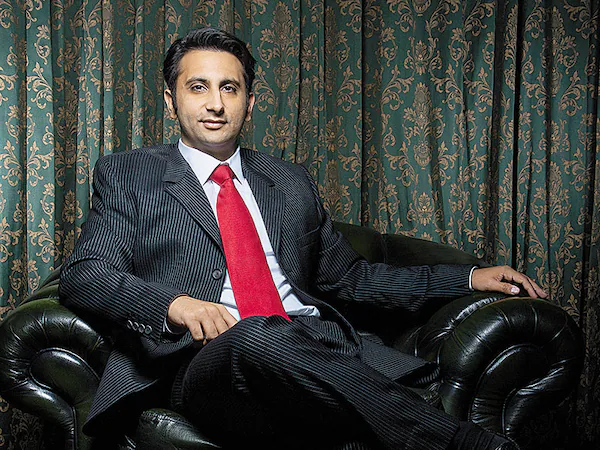
Adar Poonawalla’s family office has put ₹700 crore into Inox Clean Energy, according to the reported development. A family office manages the wealth of a rich family. In simple terms, it decides where that money should be invested.
This is a big cheque. ₹700 crore is equal to ₹7 billion. That kind of money usually goes into businesses that need funds to build, buy, or scale assets over time.
The deal also matters because Poonawalla is one of India’s best-known investors and business leaders. So when his office backs a company, the market pays attention. It can signal confidence in the company’s future plans.
What does Inox Clean Energy actually do?
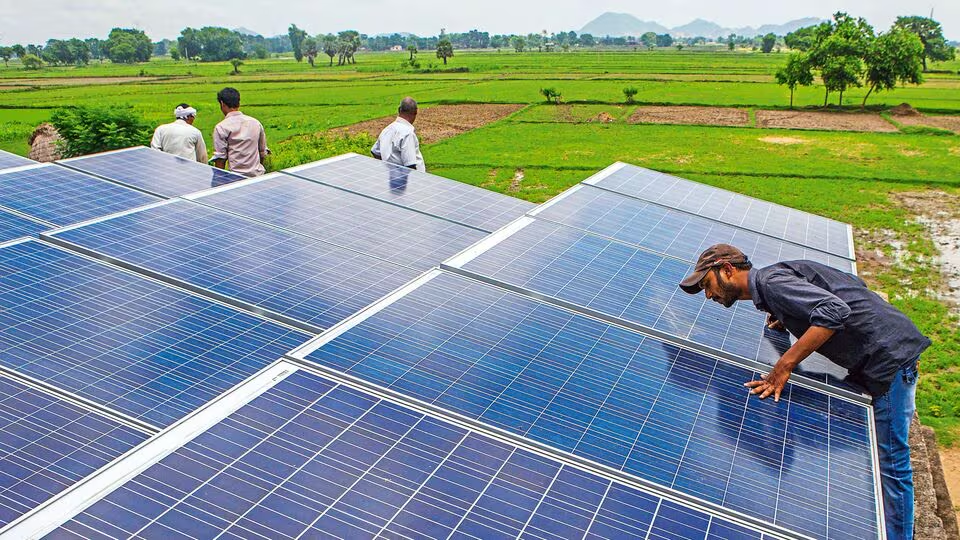
Inox Clean Energy sits inside the wider InoxGFL Group. The group is already known for its presence in wind through Inox Wind. Clean energy means power from sources that pollute less, such as sunlight and wind.
Companies in this space usually work across several steps. They may build projects, supply equipment, run power plants, or manage power sales. That mix can help them earn from more than one part of the clean energy chain.
India needs a lot more electricity as homes, factories, and data centres grow. But it also wants that power to be cleaner. That is why firms like Inox Clean Energy are drawing serious money.
Why would Poonawalla invest ₹700 crore here?
Big investors look for sectors with long runways. A long runway means a business has room to grow for many years. Renewable energy fits that idea because India is still adding huge amounts of solar and wind capacity.
There is also a policy push. The central government has set clean power targets and keeps encouraging new projects. As a result, companies with land, execution skills, and industry links may have an edge.
Poonawalla’s office may also like the scale opportunity. If a platform grows fast, early investors can benefit when it raises more money later or lists on the stock market. A listing means selling shares to the public.
Here is the simple takeaway: the ₹700 crore investment suggests sophisticated money sees India’s clean power buildout as a long-term growth story, not a short-lived trend.
How big is ₹700 crore in context?
It’s large enough to matter, but not so large that it solves every need. Clean energy projects need heavy spending because power plants, land, equipment, and transmission links cost a lot. Transmission means the wires and systems that move electricity.
Still, ₹700 crore can go a long way. For example, it can support project development, strengthen the balance sheet, or help unlock more borrowing. A balance sheet is a snapshot of what a company owns and owes.
Debt often plays a major role in infrastructure. Debt means borrowed money that must be repaid with interest. So equity money like this can help a company raise even more project funding later.
Key number in the dealPoonawalla office₹700 cr₹7 billionsame value
What could Inox Clean Energy do with the money?
The company has not publicly laid out every rupee in this report, but the likely uses are easy to understand. It could fund new clean power projects. It could also support expansion across solar, wind, equipment, or project platforms.
Another use could be corporate cleanup. That means simplifying company structure, paying down some obligations, or preparing for future fundraising. Businesses often do that before a major expansion or a market listing.
India’s renewable market is crowded, so speed matters. Companies that can secure land, grid access, and financing faster often win better projects. Grid access means permission and connection to send electricity into the power network.
| Deal point | What it means |
|---|---|
| Investor | Adar Poonawalla family office |
| Amount | ₹700 crore |
| Company | Inox Clean Energy |
| Sector | Renewable energy |
| Likely impact | More funds for growth and future financing |
Why does this matter for India’s renewable energy race?
India is trying to add more non-fossil power while demand keeps rising. Fossil fuels are fuels like coal, oil, and gas. Clean energy can help reduce pollution and lower dependence on imported fuel over time.
Private capital is a huge part of that story because power projects are expensive. Government support helps, but companies still need investor money. That is why deals like this are watched closely by banks and rivals.
It also shows that energy is still attracting capital even when markets swing. Investors may be nervous about some sectors, but clean power keeps pulling interest. We have seen similar long-term bets in other future-facing sectors, such as the quantum computer for Amaravati story and the wider India-Japan summit focus on chips, AI, and energy.
What should readers watch next?
First, watch whether Inox Clean Energy announces new projects, partnerships, or a funding roadmap. That would show where the cash is going. It would also help investors judge how fast the platform plans to move.
Second, keep an eye on any future listing talk. If Inox Clean Energy aims to tap public markets later, this investment could be an early step. We often see that pattern in growth sectors, much like the attention around the Ratnadeep Retail IPO plan.
Third, watch the wider funding climate. Interest rates, policy support, and equipment costs all shape clean power returns. Equipment costs mean what firms pay for turbines, panels, cables, and related parts.
There is one more angle. If more large family offices start backing energy platforms, competition for quality assets could rise. That could help strong developers, but it may squeeze weaker players.
How does this compare with other sectors chasing capital?
Not every industry is pulling money as easily. Some consumer and tech stories depend on fast profit growth or changing rules. For example, even sectors with strong demand can face margin pressure, as seen in our report on Parle’s demand outlook as costs ease.
Renewable energy has its own risks too. Land issues, delayed approvals, and transmission bottlenecks can slow projects. A bottleneck means a choke point that causes delays.
But the core demand story is hard to miss. India needs more electricity. It also needs cleaner electricity. That simple mix is why Inox Clean Energy and its peers remain important.
FAQs
What is Inox Clean Energy?
Inox Clean Energy is a clean power business within the InoxGFL Group. It is linked to renewable energy areas like wind and solar.
Who invested ₹700 crore in Inox Clean Energy?
Adar Poonawalla’s family office made the ₹700 crore investment. A family office manages and invests a wealthy family’s money.
Why is this investment important?
It gives the company fresh funds for growth and shows strong investor belief in India’s renewable energy market.
Where can I verify the reported development?
You can check the original report from The Hindu BusinessLine. For sector background, readers can also review renewable energy updates from the Ministry of New and Renewable Energy.