Key takeaways
- Parle says demand is getting better as raw material costs ease.
- The company now sees less need for more price hikes.
- Festive season demand could lift sales in the next quarter.
- Lower costs may also help margins, which means profit on each pack sold.
Parle demand outlook is getting better after a rough stretch of high costs. Parle demand outlook means how the biscuit and snacks maker expects sales to move in the coming months. The company says easing input costs and festive buying may help both demand and margins.
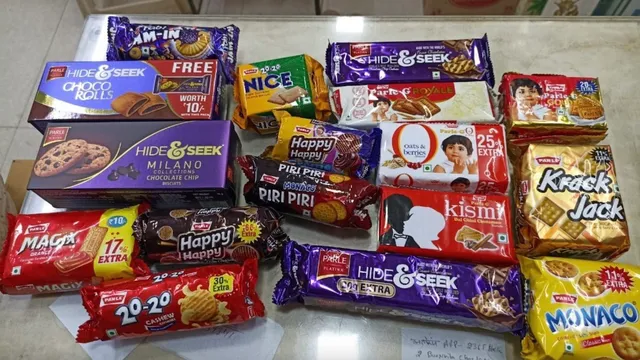
That matters because Parle sells some of India’s most familiar low-cost snacks. When prices of flour, sugar, milk, and packaging rise, companies often raise prices or shrink pack sizes. But if those costs cool, brands get more room to keep prices steady and protect sales.
Why is Parle demand outlook improving now?
Parle said demand has started improving as inflation pressure has eased. Inflation means prices in the wider economy keep rising. When inflation slows, shoppers usually feel less squeezed and may buy more impulse items like biscuits and snacks.
The other big reason is costs. Raw materials and packaging had stayed high for a long time, so consumer goods firms had to make tough choices. They either raised prices, cut grammage, which means pack weight, or accepted lower margins.
Now that pressure looks lighter. If wheat, sugar, edible oil, and packaging costs stay calm, Parle may avoid sharp price hikes. That’s good news for small stores and families, because budget packs often do best when prices stay predictable.
Parle is also looking at the festive season. In India, festivals often bring extra buying of sweets, snacks, and gift packs. So even a small rise in store traffic can help a mass brand like Parle, which depends on huge volumes.
What does this mean for prices and margins?
Parle’s message is simple. It may not need the kind of price increases that hurt demand earlier. That’s important because fast-moving consumer goods, or FMCG, rely on repeat buying. FMCG means everyday items sold quickly, like biscuits, soap, and tea.
When a company avoids frequent price hikes, shoppers are less likely to trade down. Trade down means moving to a cheaper brand or a smaller pack. In fact, that shift has been a real issue across the consumer sector in the past few quarters.
Margins could improve too. Margin means the share of money left after costs are paid. If a biscuit pack sells for ₹10 and costs less to make, the company keeps more from that sale.
For a business with millions of packs sold each day, even a tiny change matters. A cost drop of just 50 paise on a pack can add up fast at scale. So softer commodity costs can have an outsized effect on profits.
Parle: what is changingEarlierNowFestive Q2High costDemand upBetter salesLow marginMargin upFestive boost
How big is the consumer goods pressure?
This isn’t just a Parle story. Many consumer brands have faced weak urban demand, uneven rural recovery, and cost swings. Urban demand means buying in cities. Rural demand means buying in villages and smaller towns, where low-price packs are especially important.
Over the past year, companies across biscuits, soaps, and packaged foods have talked about softer volume growth. Volume growth means selling more units, not just earning more from higher prices. That is why easing input costs can be a bigger relief than it sounds.
Parle sits in a part of the market where a ₹5 or ₹10 pack matters a lot. A price jump of even ₹1 can change buying decisions. For a child with pocket money, or a worker grabbing tea and biscuits, that difference is easy to feel.
Meanwhile, India’s wider consumer story still looks mixed. Some premium brands have held up better, but mass-market labels need broad demand. That makes Parle a useful signal for what ordinary spending looks like on the ground.
How does Parle demand outlook compare with the wider market?
The company’s view fits a broader pattern in business news. Firms are watching costs very closely, much like in our report on cement makers facing profit pressure from higher fuel costs. Different sectors use different inputs, but the lesson is the same: costs can shape profits fast.
There is also a wider debate about how companies protect margins without hurting growth. You can see that in our coverage of inflation risks and market reactions, where investors tracked how sticky prices affect business decisions. In consumer goods, those decisions often show up right on the shop shelf.
Parle’s comments also land at a time when India’s economy is sending mixed signals. For example, state tax collections such as Andhra Pradesh’s June tax revenue growth can suggest solid activity, but daily consumption trends still matter most for snack makers. A biscuit brand feels demand changes quickly.
| Factor | Earlier pressure | What it looks like now |
|---|---|---|
| Input costs | High and volatile | Easing in some key items |
| Price hikes | More likely | Less urgent |
| Demand | Soft in parts of the market | Improving gradually |
| Margins | Under pressure | Chance of recovery |
| Near-term trigger | Weak buying mood | Festive season support |
What should shoppers, stores, and investors watch next?
The next few months matter. If festive demand comes through, Parle could see better sales without leaning on price hikes. That would be a healthier kind of growth, because it comes from more packs sold rather than just higher prices.
Shoppers should watch whether pack sizes stay steady. A stable ₹5 or ₹10 pack is often the clearest sign that cost pressure has cooled. Retailers should watch order volumes, because faster shelf movement usually shows up there first.
Investors will focus on margins, volume growth, and management commentary. Commentary means what company leaders say about business conditions. If Parle confirms a sharper pickup after the festive season, the market may read that as a sign that mass consumption is finally improving.
A clear way to put it is this:
Parle says demand is improving because costs have eased, and that may let the company protect prices, sell more packs, and recover margins during the festive season.
That is the core story, and it reaches beyond one biscuit company.
For primary details on India’s inflation path, readers can track the Reserve Bank of India. For official economic data, the Ministry of Statistics and Programme Implementation is a useful source too.
Why does Parle demand outlook matter beyond biscuits?
Parle demand outlook matters because low-cost snacks are a quick test of household spending. If families feel less pressure, they often return to small everyday treats. So this trend can hint at broader recovery in mass-market consumption.
Parle demand outlook also matters for rivals, distributors, and kirana stores. Kirana stores are small neighbourhood shops. If Parle sees better movement, others in the same value segment may benefit too.
That said, one quarter won’t decide everything. Weather, crop prices, freight, and sudden commodity spikes can still change the picture. But for now, Parle demand outlook looks better than it did when cost inflation was biting harder.
FAQs
What is Parle demand outlook?
Parle demand outlook means Parle’s view of future sales demand. Right now, it looks better because costs have eased and festive buying may rise.
Why are lower costs such a big deal for Parle?
Lower costs reduce pressure to raise prices. So Parle can try to keep packs affordable and improve margins at the same time.
How could the festive season help Parle?
Festivals usually lift snack and gift buying. If more people shop, Parle may sell more units and recover profits faster.