Key takeaways
- The Supreme Court threw out two lower tribunal orders after it found fake AI citations in them.
- Fake AI citations are made-up case references that look real but do not exist.
- The court said judges and lawyers must verify every citation because justice cannot run on unchecked AI output.
- The ruling matters beyond one case, since AI tools are spreading fast across law, business, and government work.
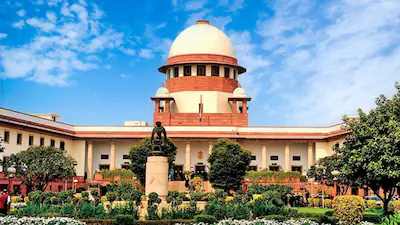
Fake AI citations are made-up legal references created by an AI tool, or copied from one, as if they were real cases. India’s Supreme Court has now said that is not acceptable. It quashed orders from the NCLT and NCLAT, because courts must stay under human control.
The decision is a sharp warning. AI can help with drafting and research, but it can also invent things. In law, that is dangerous, because one false case name can tilt a judgment and hurt real people.
What did the Supreme Court do in the fake AI citations case?
The Supreme Court set aside, or cancelled, orders passed by the NCLT and the NCLAT. NCLT means National Company Law Tribunal. It handles company and insolvency disputes. NCLAT is the appeals body above it for those matters.
According to the court, the problem was serious. The orders relied on legal citations that were not real. A citation is the exact reference to a past judgment. Judges use it to show why a legal point stands.
That sounds small, but it is not. A fake citation is like giving a school answer and claiming it came from a book that was never written. It looks solid at first, but the support is empty.
The Supreme Court said justice delivery must remain under human control. That line matters. It means judges cannot let software make legal claims without checking them first.
AI tools may assist with legal work, but courts cannot treat machine-made references as truth. Human judges must verify the law themselves before they decide a case.
Why are fake AI citations such a big problem?
Fake AI citations can fool busy readers because they often look polished. They may include case names, dates, and paragraph numbers. But some of them are simply invented by the model.
That problem is called hallucination in AI. Hallucination means the system states false things in a confident tone. It does not know facts the way a person does. It predicts likely words.
In court, a bad prediction can become a bad order. Then people may lose money, control of a company, or legal rights. As a result, the risk is much bigger than a typo.
This is not just an India problem. Courts in the United States and other countries have already seen lawyers submit AI-made fake cases. Some were fined. Some faced discipline, which means official punishment for breaking professional rules.
How does this affect NCLT and NCLAT cases now?
The ruling sends a message to tribunals, lawyers, and law firms. Do not paste AI output into legal filings or orders without checking every line. That includes case names, section numbers, quotes, and dates.
NCLT cases often involve insolvency. Insolvency means a person or company cannot pay its debts on time. These disputes can involve crores of rupees, jobs, lenders, and suppliers, so accuracy matters a lot.
NCLAT appeals can move quickly, but speed is not an excuse. If a legal order cites cases that do not exist, the whole chain of reasoning may crack. Then the higher court may have to step in, as it did here.
That can waste time and money. A single fresh hearing may delay a case by weeks or months. For companies already in distress, even a short delay can bite hard.
What numbers help explain the risk?
One false citation can be enough to damage an order. In this matter, the Supreme Court quashed 2 tribunal-level orders. That shows even a small number of fake references can have a large effect.
India’s tribunal system handles huge volumes of disputes each year. So even if only 1 or 2 filings in 100 contain unchecked AI errors, the fallout could still hit many cases. That is why the court chose a strong warning.
Global examples show the same pattern. In several well-known foreign cases, courts found multiple fake citations in a single filing. Some filings had more than 5 wrong references, which made the entire research chain suspect.
Fake AI citations: key numbersOrdersquashed: 2ControlHuman-ledCheckEvery cite
| Issue | What it means | Why it matters |
|---|---|---|
| Fake citation | A case reference that does not exist | Can mislead a judge |
| Unchecked AI output | Text copied without verification | Can spoil the legal reasoning |
| Order quashed | The higher court cancels the order | Case may need to be heard again |
Could this change how lawyers use AI tools?
Yes, and it probably should. Law firms may now tighten review steps, because no lawyer wants a filing rejected over made-up cases. Courts may also ask sharper questions when a citation looks odd or hard to trace.
That does not mean AI is banned. It means AI is a junior helper, not the final brain. A junior helper can draft notes. The senior person must still check the work.
This wider debate is already growing in tech and policy. For example, our report on AI sovereignty concerns looks at who should stay in control of important systems. Our piece on Meta’s cloud business push shows how fast AI infrastructure is spreading.
That spread makes guardrails more urgent. Guardrails are safety rules. In legal work, guardrails may include manual verification, source logs, supervisor sign-off, and clear disclosure when AI helped prepare a draft.
What should readers take from the fake AI citations ruling?
The biggest lesson is simple. Smart-looking text is not the same as true text. That is true in school, online, and especially in court.
Fake AI citations matter because courts shape real lives. They decide who controls a company, who gets paid first, and whether a process was fair. So the Supreme Court’s warning reaches far beyond one legal file.
It also fits a broader pattern. As AI tools enter more workplaces, humans need to check the output before acting on it. You can see that tension in our coverage of Meta selling excess AI compute and the India-Japan push on chips and AI.
If you want the primary legal record, watch the Supreme Court of India website for case updates. Readers can also follow the Insolvency and Bankruptcy Board of India for the wider framework behind many NCLT disputes.
For now, the message is blunt. Fake AI citations can break trust in legal orders. And trust is the basic fuel of any court.
FAQs
What are fake AI citations?
Fake AI citations are legal references that an AI tool invents or gets wrong, but presents as real cases.
Why did the Supreme Court quash the orders?
The court found that the lower orders relied on false legal citations. Because of that, it cancelled them.
How should lawyers use AI after this?
They can use it for help, but they must verify every fact, quote, and citation before filing or arguing a case.