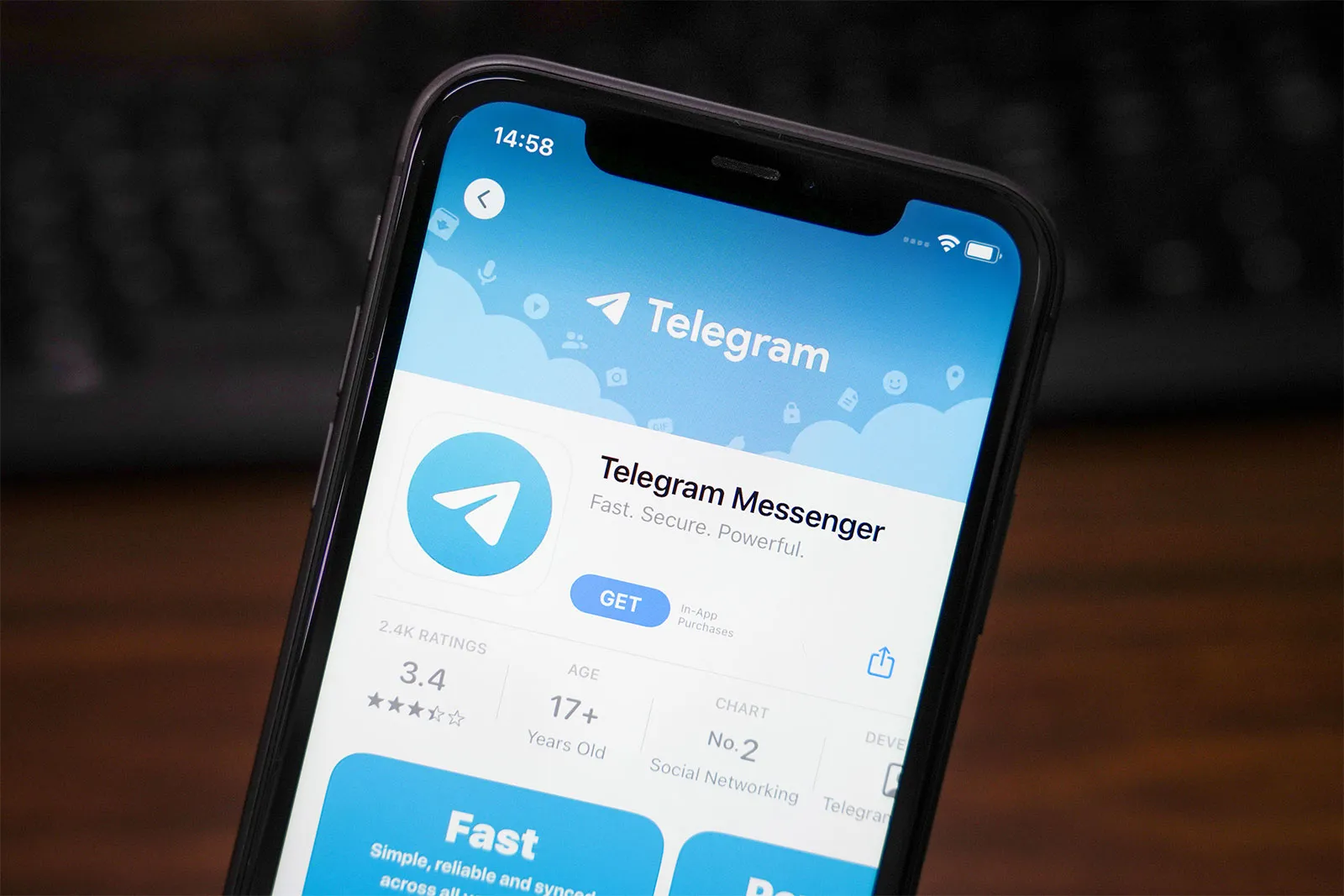
UPI engagement is how often people open a payment app and use it for small daily tasks. UPI engagement matters because fintech firms want more than payment traffic. They hope those repeat taps can lead to loans, shopping, and other money services. That shift is now becoming a clear business plan.
Key takeaways
- Fintech firms are using payment app habits to sell loans, shopping, and other services.
- UPI engagement gives these apps frequent user visits, which can lower customer hunting costs.
- PhonePe, Google Pay, Paytm, and others need new income because basic UPI payments earn little.
- Regulators are watching closely, so firms must balance growth with safety and clear consent.
Why is UPI engagement such a big deal?
India’s Unified Payments Interface, or UPI, is a real-time payment system. It lets people send money instantly from one bank account to another. That simple tool has become a daily habit for millions, because people use it for tea, groceries, rent, and bills.
Those daily visits are valuable. A fintech app may not earn much from a basic payment. But if a user opens the app five or ten times a week, the company gets many chances to offer something else. That could be a small loan, a credit line, insurance, or even a shopping deal.
So the race is not only about who processes the most payments. It’s also about who turns those visits into a broader business. That’s where UPI engagement becomes the key number inside many fintech plans.
How are fintech companies using UPI engagement?
Many apps now place extra services next to the payment button. A user may pay an electricity bill, then see a loan offer. Another user may scan a QR code, then get a reward tied to shopping. The idea is simple: make the app useful every day, then build trust slowly.
Lending is a big target. Lending means giving money now and collecting it back later, usually with fees or interest. Since payment apps already know when users pay, how often they transact, and which bills they settle, firms can use that pattern as one clue about user activity.
Commerce is another target. Commerce here means selling things and earning a fee from the sale. If a payments app can nudge users to buy gold, book tickets, order food, or shop inside the app, it gets another way to make money.
That matters because UPI itself is cheap for users. In many cases, it is free. Great for the public. Harder for fintech margins. Margins are the money left after costs.
What do the numbers show?
The scale is huge. In July 2025, UPI processed more than 18 billion transactions, according to the National Payments Corporation of India. The value crossed ₹24 lakh crore. One lakh crore means one trillion rupees.
That works out to roughly 580 million transactions a day. It’s like every person in the United States making almost two payments each day. Even a tiny share of those visits can become a strong sales funnel for loans or shopping.
Some payment apps also already sit inside larger business groups. That helps them cross-sell. Cross-sell means offering a new product to an existing user. So an app can connect payments with wealth, insurance, travel, or merchant services.
UPI at a glance18B+ monthly transactions₹24 lakh crore+ monthly value~580M transactions a day
Which business lines can grow from UPI engagement?
Small consumer loans are one path. These are short loans for spending needs like school fees, repairs, or a medical bill. A payments app can place such offers at moments when a user seems active and trusted.
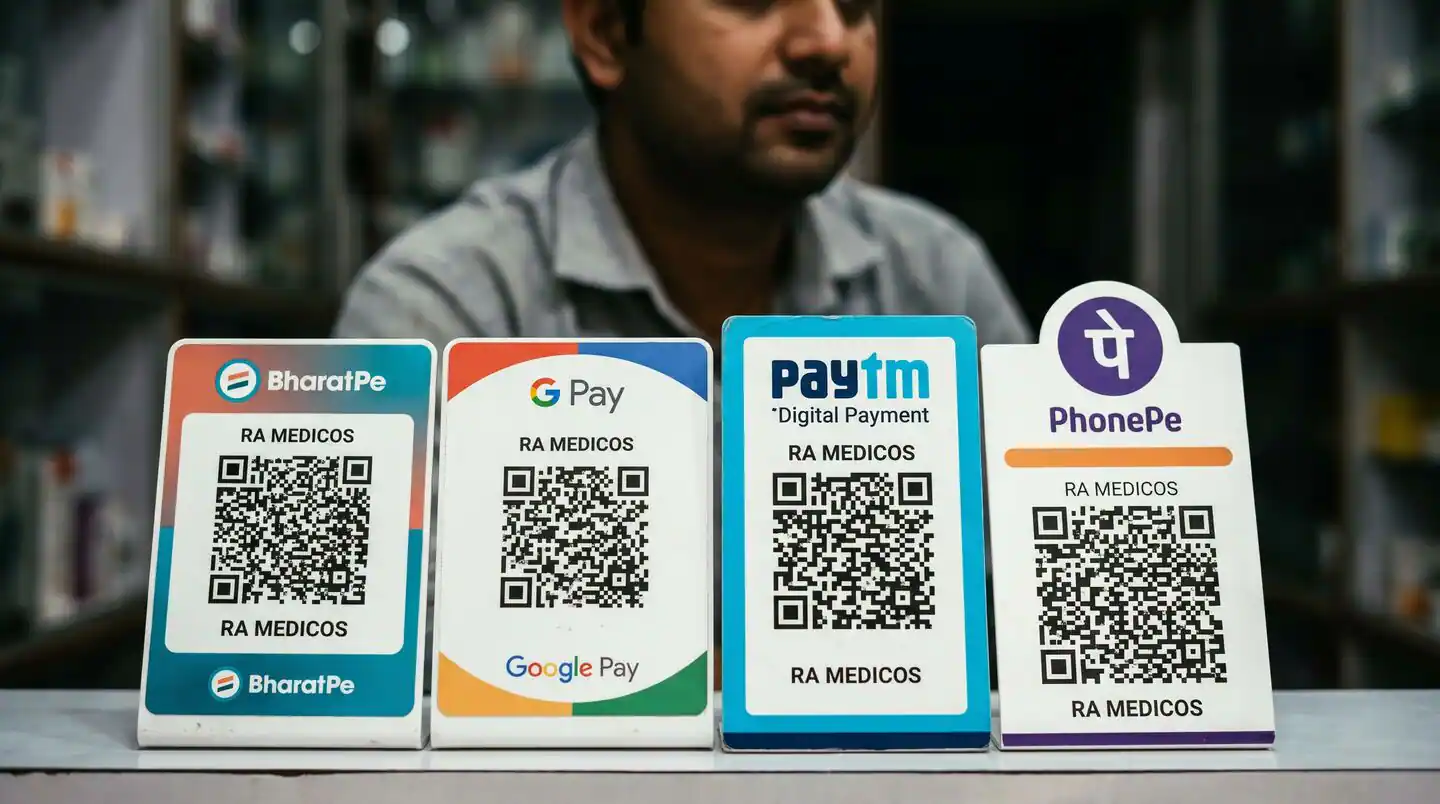
Merchant lending is another path. A merchant is a shopkeeper or seller. If a small store uses a UPI QR code every day, a fintech may use that payment flow as one sign of business activity and offer working capital. Working capital is cash used to run day-to-day business.
Then there is commerce. A fintech can earn referral fees from brands, delivery firms, or service platforms. That is why many apps now bundle rewards, vouchers, and mini-stores. This trend fits with a wider shift in digital business, where firms want several income streams instead of one.
We’ve seen a similar hunt for stronger business models in other tech stories too, from Amazon Prime India’s pricing rethink to India IT firms buying AI companies to find new growth.
Why can’t fintechs rely on payments alone?
Because scale does not always equal profit. A payment app can handle millions of transfers and still struggle to earn enough. Customer rewards cost money. Technology costs money. Marketing costs money too.
That is why UPI engagement has become so valuable. If one app visit leads to a bill payment today, a credit product next month, and a shopping purchase later, the app may finally recover what it spent to get that user. That’s the math many firms are chasing.
Here is the simple answer a reader can quote:
UPI engagement gives fintech companies repeated chances to meet users, and those repeat visits are what can turn a low-money payment app into a real lending and commerce business.
| Business area | How UPI helps | How fintech earns |
|---|---|---|
| Consumer lending | Frequent app use shows payment habits | Interest or fees |
| Merchant lending | QR payment flow shows shop activity | Loan income |
| Commerce | Payments bring users back often | Referral or sales commissions |
| Insurance/wealth | Trusted app can upsell simple products | Distribution fees |
What are the risks in this model?
There are real risks, and they are not small. Lending can go wrong if users borrow too much. Bad loans hurt both the customer and the company. A bad loan is money that may not come back on time.
Privacy is another issue. Payment data is sensitive because it can reveal habits and income patterns. Firms need clear user consent. Consent means the user knowingly says yes.
Regulators also keep a close watch on digital lending. India has tightened rules before, especially around hidden charges and unfair recovery methods. Recovery means trying to collect unpaid debt. So fintech firms cannot treat UPI engagement as a free pass to push risky products.
That caution lines up with other financial policy moves, including RBI funding curbs that hit market firms and the broader debate around digital finance rules.
What does this mean for users and the market?
For users, the upside is convenience. One app can handle payments, bills, rewards, loans, and shopping. That saves time. But it also means people need to read offers carefully, because a quick tap can turn into a real debt obligation.
For the market, this is a sign that India’s payment war is entering a new phase. The winner may not be the app with the flashiest cashback. It may be the one that uses UPI engagement to build trust, add useful services, and stay on the right side of regulation.
India’s digital economy keeps getting deeper. Stories such as the rise in factory output and the spread of new consumer tech show the same pattern: once scale arrives, the next battle is turning that scale into steady income.
Primary source reporting on this shift appeared in The Hindu BusinessLine, while UPI transaction data comes from NPCI and policy context from the Reserve Bank of India.
FAQs
What is UPI engagement?
UPI engagement means how often people use a UPI app for payments and other tasks. More visits give fintech firms more chances to sell extra services.
Why do fintech firms want loans and commerce?
Basic UPI payments bring huge traffic but thin earnings. Loans, shopping, insurance, and wealth products can bring fees or interest.
How should users stay safe?
Read loan terms, check fees, and avoid tapping offers too fast. Only share consent when you understand what data an app wants and why.