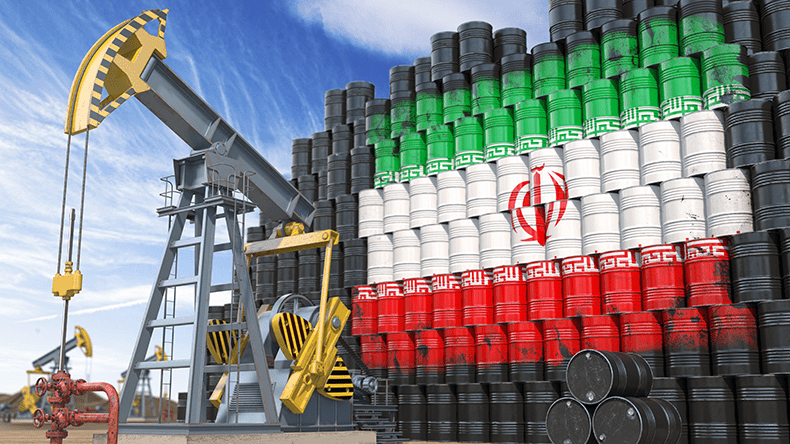
In a stunning reversal of Washington’s long-standing “maximum pressure” policy, the Trump administration has officially authorized a temporary 60-day general license allowing the production, delivery, and unlimited sale of Iranian crude oil, petroleum products, and petrochemicals.
Announced by Treasury Secretary Scott Bessent, the Office of Foreign Assets Control (OFAC) issued General License X, which remains active through August 21, 2026. The waiver comes as part of an interim memorandum of understanding signed in Switzerland to build a path toward an enduring peace deal.
1. The Terms: A Dramatic Financial & Maritime Reversal
The scope of General License X represents a massive departure from decades of aggressive sanctions enforcement. Under the 60-day framework:
- U.S. Dollar Transactions Permitted: In a striking shift, buyers are explicitly allowed to pay for Iranian oil using U.S. dollar-denominated funds.
- Sweeping Maritime Protections: The waiver completely lifts the recent U.S. naval blockade of Iranian ports. Furthermore, it protects buyers and shipping firms by clearing associated maritime services—including vessel management, crewing, bunkering, registration, insurance, and salvage—even when utilizing previously blacklisted tankers.
- U.S. Imports Allowed: The text even permits Iranian oil to be physically imported into the United States when necessary to complete a sale, delivery, or trans-shipment—marking the first time the U.S. has open-sourced an import channel for Iranian crude since the 1979 revolution.
2. The Diplomatic Trade-Offs
The 60-day window is explicitly tied to a confidence-building framework negotiated by a newly formed “High-Level Committee” at the Bürgenstock Resort in Lucerne, Switzerland. In exchange for the multi-billion dollar economic lifeline, Tehran has committed to immediate security concessions:
                        ┌──► Absolute free & open transit through the Strait of Hormuz
[Switzerland Framework] ┤
                        └──► Immediate return of IAEA nuclear inspectors into Iran
Vice President JD Vance called the breakthrough a “major milestone,” highlighting that the temporary nature of the license ensures a strict “snapback” mechanism—if diplomatic relations deteriorate or Iran breaks its transit promises before August 21, the blockade and sanctions will be immediately reinstated.
3. Immediate Shockwaves Through Global Energy Markets
The sudden policy pivot has sent rapid shockwaves through the global energy landscape, causing Brent crude futures to ease down toward $77 per barrel as traders prepare for a surge of supply.
Historical Peak (Pre-2019) ──► China, India, Japan, South Korea absorb 2.5M+ bpd
Sanctions Era (2019-2026)  ──► Secretive "shadow fleet" shipments strictly to China
Waiver Window (June 2026)  ──► 26M barrels immediately exit Kharg & Chabahar islands
Tehran did not wait for the ink to dry. Within hours of the announcement, three U.S.-sanctioned supertankers loaded with a combined 6 million barrels of crude departed from Kharg Island. This follows an earlier offloading of 20 million barrels from the Gulf of Oman coast, highlighting the speed with which Iran is moving to liquidate stockpiles built up during months of intense maritime standoffs.
4. The Geopolitical Winners
The 60-day window creates an immediate window for major Asian energy consumers who were forced to entirely halt Iranian imports in 2019 under U.S. secondary sanctions.
Refiners in India, South Korea, and Japan are reportedly reviewing logistics data to snap up the newly legal, heavily discounted Iranian barrels. For India—which historically counted Iran as its second-largest crude supplier before the 2019 ban—the temporary waiver offers a vital supply buffer to stabilize local fuel prices amidst broader global energy volatility, provided they can clear the transactions before the strict August deadline.