Goldman Sachs food supply shock warning: 3 reasons Southeast Asia may face costlier food
Goldman Sachs is a big bank. It has given a warning. It says food may soon get much more costly in Southeast Asia. This is called a “food supply shock.” A supply shock means food suddenly gets harder to grow, move, or buy. So prices jump fast. The bank says three problems are coming at the same time. This could push up food inflation. Food inflation means the price of everyday food goes up faster than normal. Below, we explain the warning in easy words. We cover the three problems, the countries and crops in danger, and what it could mean for food prices in India.
What did Goldman Sachs actually say?
Goldman Sachs is a large global investment bank. An investment bank is a company that helps big firms and governments with money and trading. In a report dated 22 June 2026, it said food will likely get more costly in Southeast Asia. The reason is a rare set of problems hitting all at once.
The bank gave some numbers. A “percentage point” is just a way to measure how much a rate goes up. The bank thinks the problems could add about 1 percentage point to the region’s food inflation after 6 months. After 12 months, that grows to about 2.1 percentage points. Then it drops back to about 2 percentage points by 18 months. In simple words: food bills could rise faster for over a year. After that, they should calm down.
The 3 reasons behind the food supply shock
1. Higher oil prices from the Middle East conflict
A conflict in the Middle East has pushed oil prices up. Farming and food need a lot of fuel. Tractors run on diesel. Trucks and ships burn fuel to carry food to markets. When fuel costs more, growing and moving food costs more too. Goldman says this oil jump is already showing up in some prices.
2. Higher fertilizer costs
Fertilizer is like food for crops. Farmers add it to the soil to help plants grow. Making fertilizer needs a lot of energy. The Middle East makes a lot of it. So the same conflict that lifts oil also lifts fertilizer prices. This raises “farm input costs.” Farm input costs are the money a farmer spends before any crop is even picked. Some countries are hit hard here. For example, Thailand buys more than 90% of its fertilizer from other countries.
3. A possible strong El Nino in late 2026
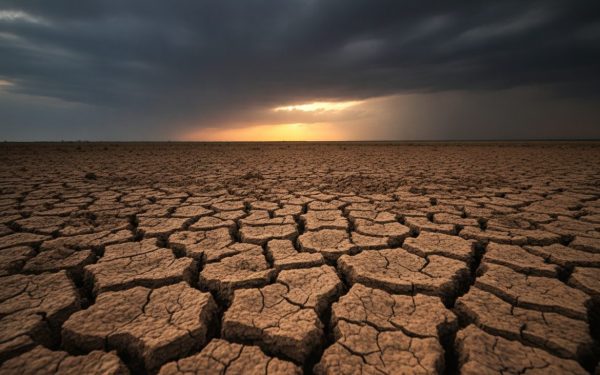
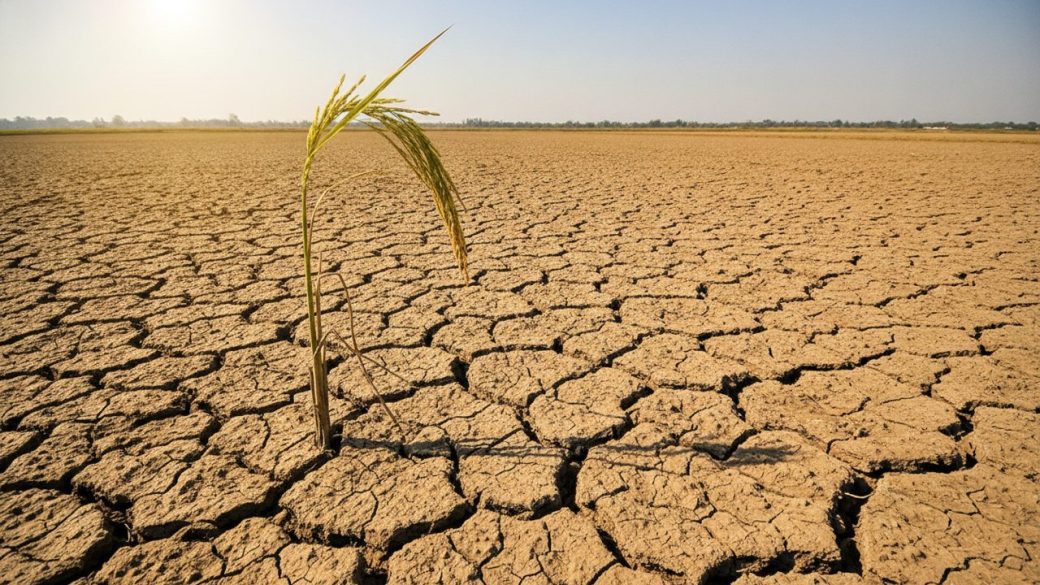
El Nino is a weather pattern. It warms part of the Pacific Ocean. It often brings hot, dry weather to Asia. Dry weather can hurt crops. That means farms grow less food. Weather experts say the chance of an El Nino in mid-2026 is about 80%. Later in the year, the chance goes near or above 90%. Goldman warns this could hit “just as oil and fertilizer pressures are passing through the food chain.” In short: the three problems may come together, not one at a time.
Key facts at a glance
| Item | Detail (as reported) |
|---|---|
| Who warned | Goldman Sachs (report dated 22 June 2026) |
| Region at risk | Southeast Asia |
| Driver 1 | Higher oil prices (Middle East conflict) |
| Driver 2 | Higher fertilizer costs |
| Driver 3 | Possible strong El Nino in late 2026 |
| Food inflation after 6 months | +1 percentage point |
| Food inflation after 12 months | +2.1 percentage points |
| Food inflation after 18 months | ~2 percentage points |
| El Nino probability (mid-2026) | ~80%, rising to near/above 90% later |
| Thailand fertilizer imports | More than 90% |
Which countries and crops are most at risk?
Goldman says some countries are in more danger than others. A “net food importer” is a country that buys more food from abroad than it sells. These countries feel global price jumps the most.
- Singapore and the Philippines: They buy a lot of their food from other countries. So they are hit hard by world price jumps.
- Malaysia and Indonesia: They look safe because they sell palm oil. But take palm oil away, and both buy more food than they sell.
- Thailand: It buys more than 90% of its fertilizer from abroad. So its farm costs rise fast when world fertilizer prices go up.
The main crops in focus are rice, vegetables, and other basic foods. These need fertilizer and steady rain. Palm oil matters too. It shapes how exposed Malaysia and Indonesia really are.
Why it matters (especially for India and founders)
The Goldman report is about Southeast Asia, not India. But food markets are linked. India has the same monsoon rains. It uses the same global oil and fertilizer. A weak monsoon in an El Nino year can hurt Indian crops too, like sugar. India also buys a big share of its cooking oils from abroad. So higher palm oil prices in the region can push up cooking-oil costs at home.
A “founder” is a person who starts a company. For founders and business owners, food inflation is more than a kitchen problem. It can change interest rates. An interest rate is the extra cost you pay to borrow money. Banks often raise rates to slow down rising prices. Food inflation also squeezes the budgets of normal customers. When food costs more, people spend less on other things. Anyone who runs a food, grocery, restaurant, or delivery business should watch their costs closely over the next 12 to 18 months.
FAQ
What is a food supply shock?
It is a sudden problem that makes food harder to grow or move. Supply falls, or costs rise fast. So prices spike. Goldman warns three such problems may hit Southeast Asia at once.
How much could food prices rise?
Goldman thinks the region’s food inflation could rise by about 1 percentage point after 6 months. After 12 months, it could rise about 2.1 percentage points. Then it should ease to about 2 points by 18 months.
Will this affect India?
The report is about Southeast Asia. But India shares the same weather, oil, and fertilizer markets. So India is not fully safe. A weak monsoon and costlier cooking oils could push Indian food prices higher too.
The takeaway
Goldman Sachs is warning about a rare mix: costly oil, costly fertilizer, and a likely strong El Nino. Together, they could lift Southeast Asia’s food prices for over a year. India is not in the report. But the same forces touch Indian kitchens too. For shoppers and founders alike, this is a signal. Plan for higher food costs in 2026 and 2027.
Source: CNBC — Three reasons why a food-supply shock may be coming to Southeast Asia: Goldman Sachs