Starlink India Data Routing Hurdle: Why Satellite Internet Faces a Fresh Roadblock
Elon Musk wants to send internet to India from space. But there is a new problem in the way. The Indian government is worried about where your data goes after it leaves your dish. Data is all the information you send and get online, like messages, videos, and web pages. Officials fear that Indian people’s data could travel through computers in other countries first, and then come back to India. They see this as a danger to the country’s safety. So India wants firm rules on how the data travels before Starlink is allowed to start.
Let us explain this in easy words. We will tell you what satellite internet is. We will explain what “data routing” and a “gateway” mean. We will share the real worry. And we will see what this means for India’s plan to give fast internet to its villages.
What is satellite internet, in simple words?
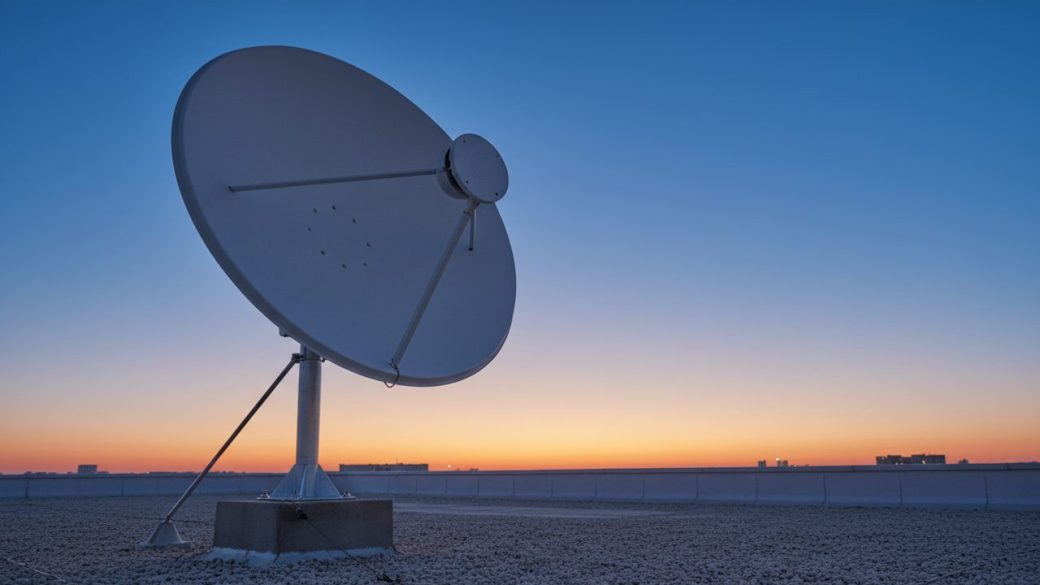
Satellite internet is internet that comes from space. It does not come from cables buried in the ground. Starlink is a satellite internet service. It is owned by SpaceX, which is Elon Musk’s space company. Starlink has thousands of small satellites flying around the Earth. A satellite is a machine that circles the Earth high up in the sky. You buy a small dish for your home. The dish talks to a satellite above you. The satellite sends your request down to a ground station. The ground station then connects you to the rest of the internet.
The big plus is that it can reach far places. Cables cannot easily reach high hills, small islands, or far-off villages. But satellites can cover all of them. That is why India likes this idea.
What is “data routing”?
Data routing is just the path your data takes to reach the internet and come back. Think of a delivery person picking roads to drop off a parcel. The road they pick matters. If your private data goes through a faraway country, that country might be able to see it or stop it.
What is a “gateway”?
A gateway is a ground station. It is also called an earth station. It is the spot on the ground where the satellite hands your data over to the normal internet. It is like a door between space and the land network. India wants these doors to be inside India. That way, Indian data stays on Indian land and follows Indian law.
What is the actual concern?
The worry is about a feature called LISL. LISL is short for Laser Inter-Satellite Link. It lets satellites talk to each other in space using beams of laser light. A laser is a thin, strong beam of light. The satellites pass data from one to the next. This builds a web of links up in the sky. Your data can jump across many satellites before it ever comes down to the ground.
Here is the catch. With this web in space, your data could land at a gateway in another country. It might skip India fully on the way. Indian officials say this is a safety risk. They cannot easily watch or control data that goes around the country’s borders.
There is a second worry: control. SpaceX has shown that it can change Starlink’s coverage and routing from far away. It did this during fights in Ukraine and West Asia. It turned the service on or off in some areas. New Delhi is afraid that one company could hold that switch during a crisis on Indian land.
Which regulators are involved?
A regulator is a government body that makes and checks the rules. Several Indian bodies have a say in this. Each one looks at a different part of the problem.
| Item | Detail (as reported) |
|---|---|
| Technology in question | LISL (Laser Inter-Satellite Link) — satellites pass data via laser in space |
| Home Ministry (MHA) | Slowed approvals after reports Starlink terminals were used in Iran |
| Dept. of Telecom (DoT) | Working on compliance safeguards for routing and data |
| TRAI | Telecom regulator involved in the review |
| License status | Starlink has a satcom / Unified License; awaits final security clearance |
| Key proposed rule | All Indian user traffic must land on gateways inside India only |
| Data rule | No copying or decrypting of Indian user data overseas |
The Home Ministry (MHA) is the safety gatekeeper. It looks after the country’s security. The Department of Telecommunications (DoT) makes the rules for phones and internet. It is now shaping the safety steps for Starlink. TRAI stands for the Telecom Regulatory Authority of India. It is the body that gives advice on telecom rules. Together, these bodies decide the terms that Starlink must accept.
What rules is India proposing?
- Local gateways only: All Indian data must land on gateways (earth stations) built inside India.
- No foreign detours: Starlink may have to block or stop sending Indian data through computers in other countries.
- Data localisation: Data localisation means keeping a country’s data inside that country. So the company is not allowed to copy or unlock Indian data abroad.
- Final security clearance: Even with a license in hand, Starlink cannot start until the security teams say yes.
In short, India is saying this: serve Indians, but keep their data here and follow our rules. Reports say the government is not likely to allow Starlink’s laser web feature unless these safety steps are in place first.
Why it matters (especially for India and founders)
Satellite broadband could give fast internet to millions of Indians who have none today. Broadband just means a fast internet connection. This would be a big help for village schools, clinics, shops, and small businesses. A founder in a far town could finally run an online store or take video calls without a weak cable. A founder is a person who starts a business.
But this story shows that getting online is not enough by itself. Data sovereignty is now a key part of the rules. Data sovereignty means a country’s right to control the data made inside its borders. The rules India sets for Starlink will also shape the path for its rivals. These rivals include Eutelsat OneWeb, Reliance Jio’s satellite arm, and Amazon’s Kuiper.
If you are a founder building anything that needs internet, the lesson is clear. Where your data lives and travels can decide if you are even allowed to run your business. So plan for local data rules from the very first day.
FAQ
Is Starlink banned in India?
No. Starlink has a license, but it is still waiting for final security clearance. The data routing rules are a thing it must meet before it can start.
What is the main security worry?
The worry is that Indian people’s data could pass through gateways in other countries. This could happen through Starlink’s laser satellite web, which skips India’s checks. India wants all of this data to stay inside the country.
What is a gateway in satellite internet?
A gateway is a ground station where satellite data joins the normal internet. India wants these built on Indian land so the data follows Indian law.
The takeaway
The Starlink India data routing hurdle is not a “no.” It is a “yes, but on our terms.” India wants the wide reach of satellite internet. But it does not want to lose control of its people’s data. How Starlink answers will set the rulebook for every satellite company that wants to enter India’s huge market of people who still need good internet.
Source: Inc42 — Starlink’s India Entry Faces Fresh Hurdle Over Satellite Data Routing Concerns