The Battle for India’s Kirana Stores Has Begun
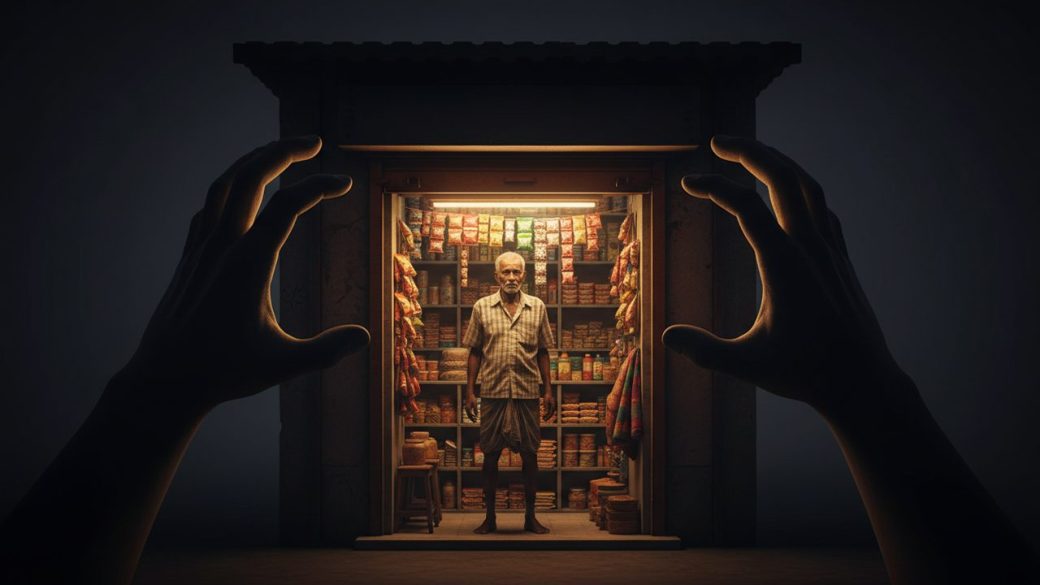
India’s neighbourhood shops are now a prize worth fighting for. The battle for India’s kirana stores has begun, with big tech platforms, B2B networks and quick commerce players all chasing them. A kirana is a small, family-run local shop that sells everyday goods. For decades these shops were seen as old-school. Today they sit at the centre of India’s retail future.
Why the sudden rush? These shops carry something money cannot buy quickly: trust, local knowledge and deep supplier ties. Let us look at who is fighting and what they really want.
From corner shop to key asset
Kirana stores have shifted from being side players to central distribution assets. Distribution means how products travel from a brand to the final customer. These shops connect brands, online marketplaces, B2B networks and shoppers all at once.
B2B stands for business-to-business, where one company sells to another company rather than to a regular shopper. Building a network like this from scratch would take years and huge sums of money. Buying access to existing kirana networks is far faster.
Who is competing
Several types of players are in the race.
Ecommerce platforms
Meesho acquired Kirana Club. Flipkart and its parent Walmart are also active in this space.
B2B networks
Udaan acquired ShopKirana. Jumbotail is another player building supply links to small shops.
Quick commerce and others
Quick commerce operators are in the mix too, though the article notes they reach only about 5-6% of Indian homes today. Fairdeal.Market also raised $15 million from Bertelsmann India Investments.
Key facts
| Item | Reported figure |
|---|---|
| Quick commerce reach of Indian homes | About 5-6% |
| Meesho’s deal for Kirana Club | ₹202 crore (per linked story) |
| Fairdeal.Market funding | $15 million (from Bertelsmann India Investments) |
| Udaan acquisition | ShopKirana |
The real prize: data and trust
The biggest reason platforms want kirana stores is not shelf space. As one cofounder put it, “What’s notable isn’t that big platforms are acquiring access but what they’re acquiring access to. It’s not shelf space. It’s the relationship and trust a retailer has” with its community.
There is another prize too: demand intelligence. When kirana sales go digital, the data shows what people buy, where and when. That information can power lending, smarter stock planning, better demand forecasting and targeted advertising.
In short, the digitised kirana could become more valuable than the goods it sells. The data underneath it may matter most.
Why it matters (especially for India and founders)
Kirana stores are the backbone of Indian retail. Whoever wins their trust can reach millions of households at low cost. That is why so many well-funded companies are competing at once.
For founders, the lesson is clear. The value is not in just listing products. It lies in relationships, trust and the data that local commerce creates. Startups that help kirana owners, rather than replace them, may have the strongest position.
FAQ
What is a kirana store?
A kirana is a small, family-run local shop in India that sells everyday goods like groceries and household items.
Why do big companies want kirana stores?
They want the trust, local demand knowledge and supplier relationships these shops hold. Building such networks alone would take years and a lot of money.
Which companies are competing?
Ecommerce players like Meesho and Flipkart, B2B networks like Udaan and Jumbotail, quick commerce operators and others such as Fairdeal.Market.
What is the real prize?
Trust with shoppers and demand intelligence. Digitised kirana data can power lending, inventory planning, forecasting and targeted ads.
Takeaway
India’s kirana stores have moved from the edges of retail to the centre of a big contest. The fight is less about shelves and more about trust and data. The winners will likely be those who strengthen these shops instead of sidelining them.
Source: Inc42