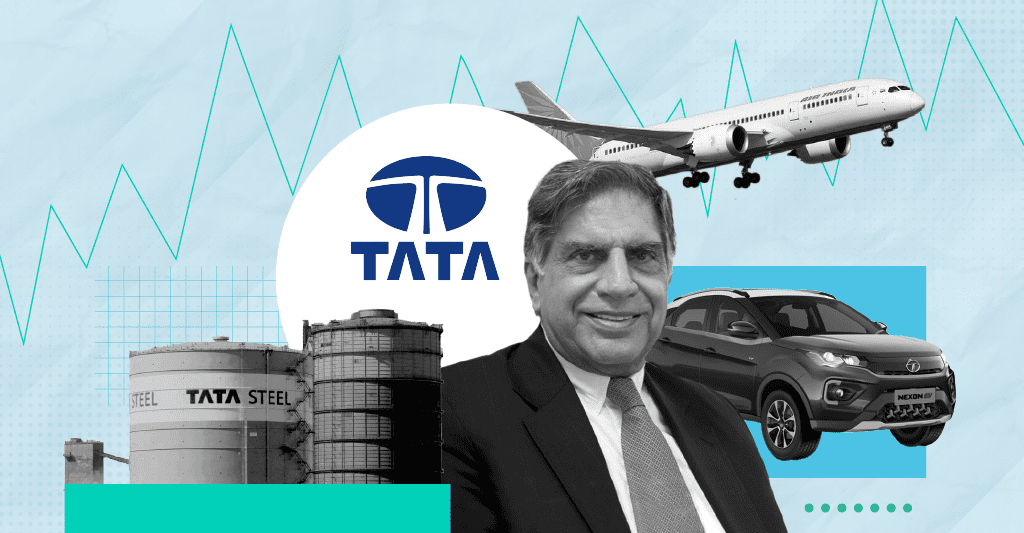
Tata Sons AGM is the yearly meeting of Tata Sons, the holding company at the top of the Tata Group. A holding company is the main parent that owns big stakes in other firms. This year, the Tata Sons AGM has drawn extra attention because an old legal fight still hangs over who gets to question the board and how much power key shareholders have.
Key takeaways
- The Tata Sons AGM has become more than a routine yearly meeting.
- An old dispute linked to Cyrus Mistry and the SP Group still shapes the mood.
- The biggest issue is control: who can challenge decisions inside Tata Sons.
- Tata Sons sits above many famous companies, so even boardroom fights matter widely.
- Investors watch these signals because governance can affect trust and future deals.
Why is the Tata Sons AGM getting so much attention?
The short answer is simple. The Tata Sons AGM is happening under a legal cloud from a long-running family and boardroom fight. That fight began after Cyrus Mistry was removed as chairman in 2016, and it has never fully faded from public memory.
Tata Sons is not just another company. It is the central holding firm for a huge business group that includes listed names like Tata Consultancy Services, Tata Steel, and Tata Motors. So when trouble shows up at the top, people pay attention far beyond one meeting room.
The annual general meeting, or AGM, is where shareholders meet the company’s leaders. They hear updates, vote on key matters, and ask questions. In private companies, those rights can be tighter than in widely traded public firms, but they still matter a lot.
That is why the Tata Sons AGM matters now. It is not only about yearly accounts. It is also about whether old court battles, trust issues, and shareholder rights still shape the way one of India’s best-known business houses runs itself.
What is the old fight behind this Tata Sons AGM?
The roots go back nearly 9 years. In October 2016, Tata Sons removed Cyrus Mistry as chairman. He later challenged that move in court, and the battle grew into one of India’s biggest corporate governance stories.
Corporate governance means the rules and habits that guide how a company is run. In plain words, it is about who has power, who checks that power, and whether decisions are fair. That is the heart of the issue here.
Mistry’s family is linked to the Shapoorji Pallonji Group, often called the SP Group. The SP Group has long been one of the largest shareholders in Tata Sons. The Tata side, meanwhile, is strongly influenced by Tata Trusts, which hold a powerful stake in the parent company.
In 2021, India’s Supreme Court ruled in favor of Tata Sons in the main Mistry case. You can read the court record at the Supreme Court of India. But legal and governance questions around rights, oversight, and shareholder relations did not vanish overnight.
Who holds power inside Tata Sons?
This is where the story gets interesting. Tata Trusts and the SP Group are the two most watched blocs in Tata Sons. A bloc is a group with enough shares to influence votes.
Publicly available reports have long shown that Tata Trusts hold about 66% of Tata Sons. The SP Group has held roughly 18%. That split matters because a two-thirds stake gives the trusts very strong control over big decisions.
Here is a simple picture of that balance inside Tata Sons:
Approximate Tata Sons shareholding blocsTata Trusts ~66%SP Group ~18%Others ~16%
Those numbers help explain why the Tata Sons AGM attracts legal and media interest. If one side already has strong voting control, then the real fight often shifts from raw votes to process, rights, and how the board treats dissent. Dissent means disagreement inside a company.
| Group | Approx. stake | Why it matters |
|---|---|---|
| Tata Trusts | ~66% | Can strongly influence major decisions |
| SP Group | ~18% | Large minority shareholder with a long history |
| Others | ~16% | Smaller holders with limited combined power |
What legal issues could cloud the meeting?
The phrase “legal tangle” usually means several disputes overlap at once. That can include questions on voting rights, board procedure, old claims, or the value and transfer of shares. It does not always mean a dramatic court order on the same day.
In Tata Sons, one sensitive issue has been the rights of minority shareholders. A minority shareholder owns less than the controlling side. Even then, that shareholder can still challenge unfair conduct under company law.
Another important point is Tata Sons being a private company. A private company has tighter ownership and share transfer rules than a public one. That status itself became part of past litigation, because it affects how freely shareholders can act and exit.
People also watch whether any resolutions face unusual questions at the Tata Sons AGM. A resolution is a formal item put to a vote. Even if votes pass easily, sharp questions at the meeting can still reveal tension behind the scenes.
Why does this matter outside one boardroom?
Because Tata Sons stands at the center of a very large business web. Tata Group companies span steel, software, cars, airlines, hotels, power, retail, and more. If confidence weakens at the top, people wonder what that says about the wider group’s direction.
For everyday readers, this is really a story about trust. If big shareholders keep fighting, markets may ask whether future deals, fund-raising, or leadership choices will turn messy too. That does not mean the group is unstable, but it does raise the volume on governance concerns.
India has seen more focus on governance in recent years. Regulators, courts, and investors now ask harder questions about board power and minority rights. For a related example of tighter oversight, see our report on SEBI adding more forensic auditors for listed firms.
The Tata case also matters because family-linked business groups still play a huge role in India. These groups can move fast and think long term, but they also face hard questions when ownership and control sit in a few hands.
What should readers watch after the Tata Sons AGM?
Start with the meeting outcome. Did resolutions pass smoothly, and did management give clear answers? Then watch for any fresh court filings, official statements, or shareholder comments in the days after.
You should also watch the bigger strategy picture. Tata Group has large ambitions across airlines, chips, energy, and digital services. For example, aviation plans already look busy, as we explained in our report on Air India adding 60 aircraft and its push for a 30% domestic market share.
If a company wants to make bold, expensive bets, stable governance helps. It makes lenders, partners, and smaller investors feel safer. As a result, even an old dispute can matter a lot during a year packed with expansion plans.
One quotable way to see it is this: the Tata Sons AGM is not just a yearly formality, because it shows whether one of India’s biggest business groups can keep old shareholder wounds from shaping new decisions.
For readers who want primary records, the Tata Sons company page and filings are the best place to start at Tata Group. Court developments, if any, tend to carry more weight than rumor, so official documents matter most.
FAQs
What is Tata Sons?
Tata Sons is the main holding company of the Tata Group. It owns stakes in many Tata businesses and helps shape group-level decisions.
Why is the Tata Sons AGM important?
The Tata Sons AGM matters because shareholders can review decisions, ask questions, and vote. This year, old legal tensions make that meeting more sensitive than usual.
Who are the main sides in the dispute?
The best-known sides are Tata Trusts and the SP Group linked to Cyrus Mistry’s family. Their long clash is really about control, process, and shareholder rights.
How could this affect ordinary investors?
Most people do not own Tata Sons directly, but they may own Tata group stocks. Strong governance at the top can support confidence across the wider group.
Get the day’s top stories in your inbox
One concise email. No spam, unsubscribe anytime.