Brent oil price jumped above $90 a barrel as fighting fears around Iran shook energy markets. Brent oil price is the global benchmark, which means a common reference price for crude oil. Traders worried that any hit to shipping near the Strait of Hormuz could squeeze supply fast.
Key takeaways
- Brent crude rose above $90 a barrel as markets priced in new Middle East risk.
- The Strait of Hormuz matters because about one-fifth of the world’s oil moves through it.
- U.S. crude, called WTI, also climbed, though Brent stayed the main global signal.
- Higher oil can push up petrol, airline costs, shipping bills, and inflation.
Why did the Brent oil price jump so fast?
The move was all about fear of disruption. Traders saw a bigger chance that ships, pipelines, or export terminals could face trouble. So they rushed to buy oil futures. Futures are contracts to buy or sell later at a set price.
Brent crude traded above $90, while U.S. benchmark WTI also rose sharply. A benchmark is a standard price people use to compare markets. Brent matters most for many countries because lots of oil deals around the world track it.
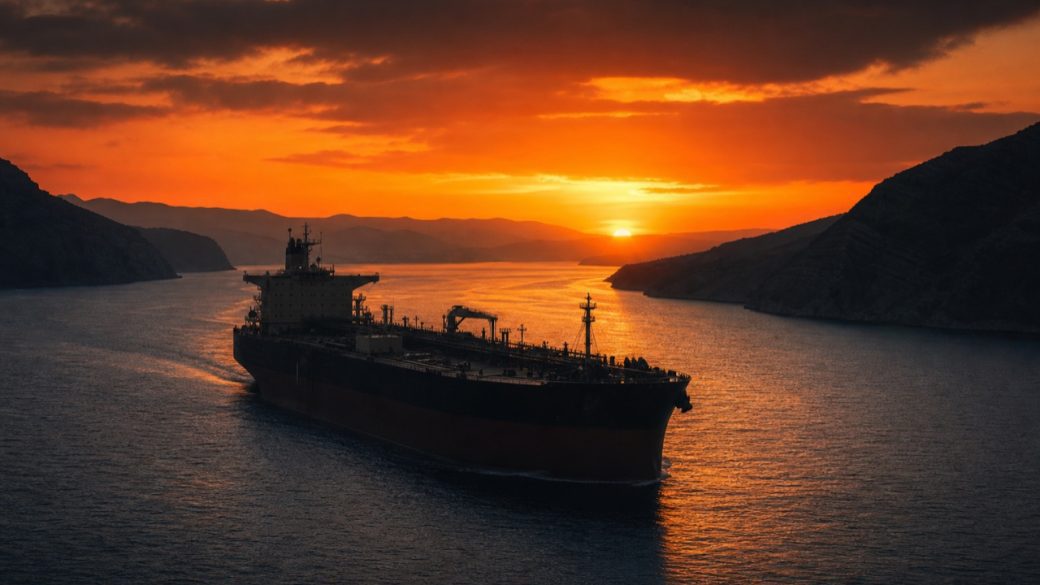
The big worry is the Strait of Hormuz. It is a narrow sea route between the Persian Gulf and the Gulf of Oman. Around 20% of global oil consumption moves through that chokepoint, according to the U.S. Energy Information Administration, so even a small threat can rattle prices.
That fear is not new, but it hits hard each time tension rises. We explained a similar shipping-risk story earlier in our report on global oil market shifts and Hormuz risk. This time, though, traders pushed the Brent oil price through a round number that people watch closely.
What is the Strait of Hormuz, and why does it matter?
Think of the Strait of Hormuz like a very busy bridge for oil tankers. If that bridge slows, the whole line backs up. Saudi Arabia, Iraq, the United Arab Emirates, Kuwait, and Iran all ship large volumes through it.
According to the U.S. EIA, roughly 20 million barrels per day moved through the strait in recent years. A barrel is a standard oil unit equal to 42 U.S. gallons. That is why traders react before any real shutdown happens.
The market does not need a full closure to panic. Higher insurance costs, slower routes, or military escorts can lift prices too. Insurance costs are the fees ship owners pay to cover damage and danger. If those fees jump, oil becomes more expensive even before it reaches buyers.
Key oil market numbers01020Hormuz20 mbpdBrent$90+WTI$80s
How high did prices go?
The Brent oil price broke past $90 a barrel, a level that often grabs attention on trading desks. WTI crude moved into the high $80s. WTI stands for West Texas Intermediate, which is the main U.S. crude benchmark.
Those numbers matter because oil moves into many other prices. Airlines pay more for jet fuel. Truck firms pay more for diesel. Families can then feel it at the petrol pump a bit later.
Here is a simple snapshot of the market move.
| Market | Recent level | Why it matters |
|---|---|---|
| Brent crude | Above $90/barrel | Main global benchmark |
| WTI crude | High $80s/barrel | Main U.S. benchmark |
| Hormuz flows | About 20 million barrels/day | Major global chokepoint |
The Brent oil price also acts like a warning light for inflation. Inflation means prices in general rising over time. If oil stays high for weeks, central banks may worry more about transport and energy costs spreading across the economy.
What could this mean for India and other importers?
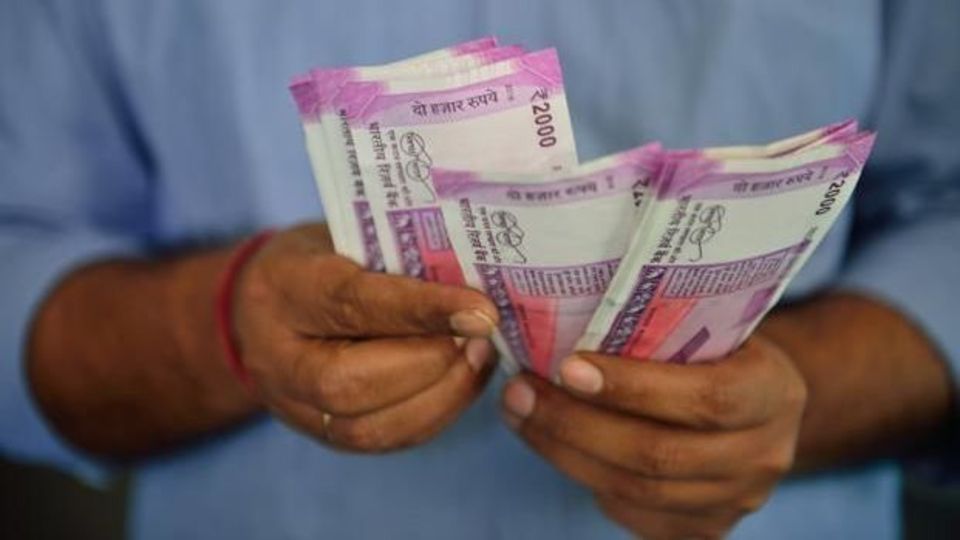
India imports most of the crude oil it uses, so a higher Brent oil price can sting. Importing means buying from other countries. A long price spike can raise fuel bills, pressure the rupee, and make inflation harder to control.
Airlines could feel it quickly because fuel is one of their biggest costs. That matters for a fast-growing market like India’s aviation sector. You can see the wider industry backdrop in our coverage of Air India’s plan to add 60 aircraft and Akasa Air’s fund raise plan.
Shipping and factory costs can rise too. Then companies may try to pass those costs to shoppers. But if demand stays weak, firms may absorb part of the hit instead of raising prices right away.
Governments also watch taxes and subsidies during oil spikes. A subsidy is state support that lowers a cost for people or firms. Some countries can cushion consumers for a while, but that also strains public money.
Could the Brent oil price keep rising?
Yes, it could, but much depends on what happens next in the region. If shipping stays open and supply keeps flowing, fear may cool. Then the Brent oil price could slip back from panic highs.
If attacks spread or exports get disrupted, prices could jump again. Markets often move before the real shortage starts. That is why headlines about military action can hit screens, and oil, within minutes.
OPEC producers and the U.S. will also matter. OPEC is a group of major oil-exporting countries. If spare supply comes in, it may calm prices, though not always right away.
The latest Middle East coverage from Reuters and official U.S. military updates can shape trading day by day. Traders will watch tankers, export data, and any sign that key routes are safer or more dangerous.
What should readers watch next?
First, watch whether the Brent oil price holds above $90 for several sessions. One sharp move can fade fast. A week-long rise tells you fear is turning into a deeper market view.
Second, keep an eye on tanker traffic through Hormuz. If ships reroute or slow, costs can rise even without a full stop. Third, watch what governments say about reserves. Strategic reserves are emergency oil stockpiles held for supply shocks.
Here is the clearest takeaway: the Brent oil price jumped because traders fear a supply shock, not because the world has already run out of oil. If the Strait of Hormuz stays open, prices may cool. If the route faces real disruption, energy costs could climb much more.
FAQs
What is Brent oil price?
Brent oil price is the reference price for much of the world’s crude oil. It helps buyers and sellers set deal prices.
Why does the Strait of Hormuz affect oil prices?
It carries about one-fifth of global oil flows. So any threat there can make traders fear less supply and bid prices up.
How does higher oil affect regular people?
It can raise petrol, flight, and shipping costs. After that, food and other goods may also get pricier.
When could oil prices fall again?
Prices could ease if tensions cool and shipments continue normally. Markets usually calm when supply risk looks lower.
Get the day’s top stories in your inbox
One concise email. No spam, unsubscribe anytime.