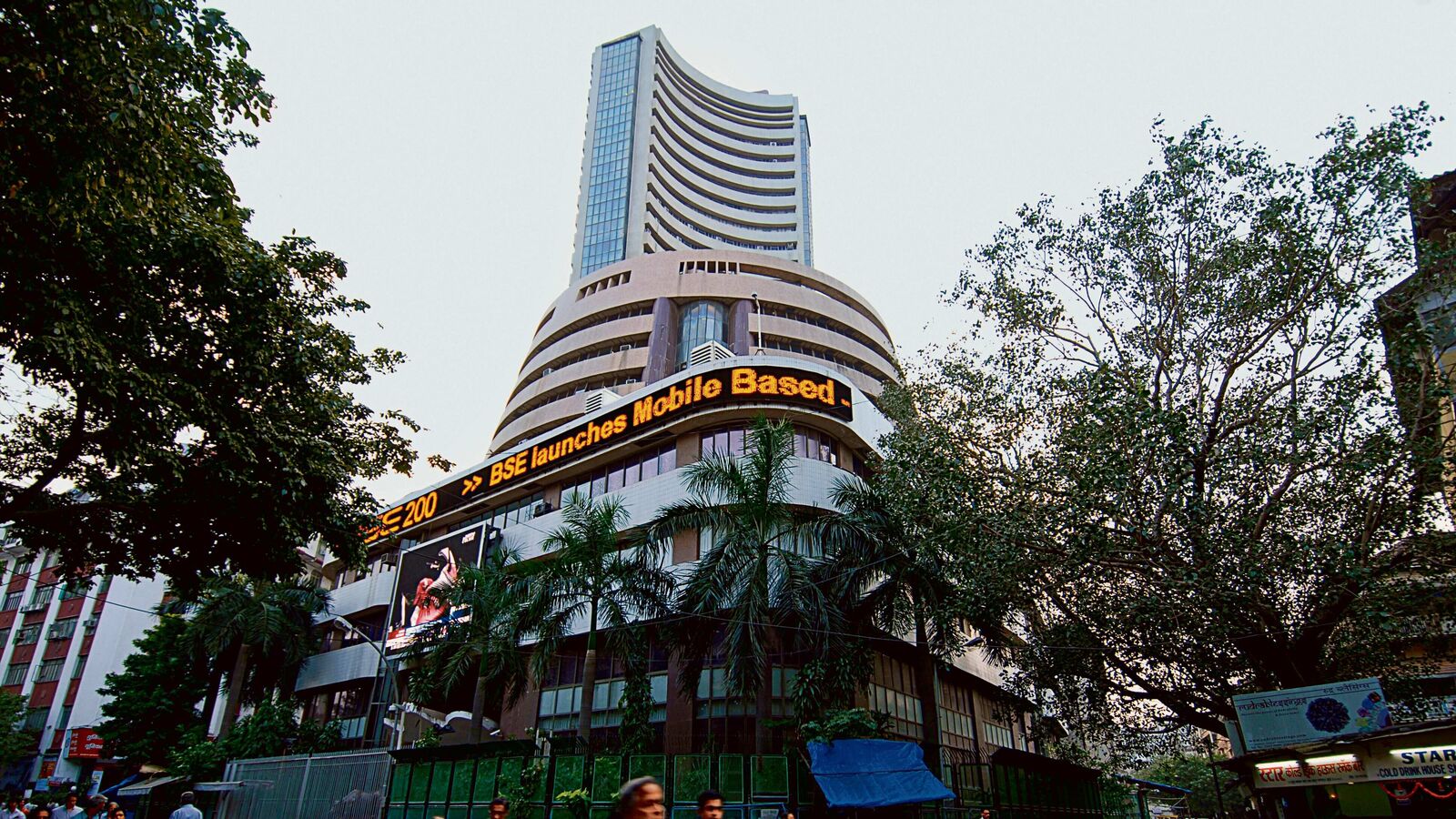
The Ministry of Finance has clarified that there is no proposal under consideration to abolish the long-term capital gains (LTCG) tax on listed equity investments — the LTCG tax on shares that domestic investors pay when they book long-term profits. The clarification puts to rest speculation that the government was considering tax relief for retail investors. It came in a written reply to the Lok Sabha by Minister of State for Finance Pankaj Chaudhary, who said the Centre has no plans to scrap the levy despite demands from some market participants.
The statement follows calls from investors and industry experts to either eliminate the LTCG tax on equities or raise the exemption threshold to encourage long-term investing and improve market sentiment. However, the government indicated that no such proposal is currently being examined.
Government Rules Out Scrapping LTCG on Equities
In response to a parliamentary question, the finance ministry stated that:
- There is no proposal to abolish LTCG tax on listed equity investments.
- The existing tax framework for domestic equity investors will remain unchanged.
- Any review of capital gains taxation will continue to be considered as part of the regular Union Budget process rather than through a standalone policy change.
Government’s Position
| Aspect | Status |
|---|---|
| Proposal to scrap LTCG on equities | No proposal under consideration |
| Current LTCG tax on listed equities | Continues unchanged |
| Announcement | Written reply in Lok Sabha |
| Minister | MoS Finance Pankaj Chaudhary |
Why the Clarification Was Needed
The clarification comes after repeated appeals from sections of the investment community to reduce the tax burden on long-term equity investors.
Supporters of removing or reducing the tax argue that it would:
- Improve post-tax investment returns.
- Encourage long-term wealth creation.
- Strengthen retail participation in equity markets.
- Boost investor sentiment during periods of market volatility.
The issue also gained attention after the government recently introduced certain tax concessions for foreign portfolio investors (FPIs) investing in government securities, prompting questions about whether similar relief would be extended to domestic equity investors. The finance ministry clarified that those changes do not apply to equity investments, where domestic and foreign investors continue to face the same LTCG tax treatment.
Arguments Around LTCG Tax
| In Favour of Removal | Government’s Current View |
|---|---|
| Improve investor returns | No proposal to abolish the tax |
| Encourage long-term investing | Existing framework continues |
| Support retail participation | Capital gains policy reviewed during Budgets |
LTCG Remains an Important Revenue Source
The government also highlighted that the LTCG tax on equities has become a significant contributor to tax revenues.
According to the finance ministry, LTCG tax collections from equity investments have increased sharply, reflecting both higher market participation and stronger capital market activity. Over the past two assessment years, the government collected more than ₹2.01 lakh crore from LTCG on equities, underscoring the fiscal importance of the levy. Of that, ₹1.29 lakh crore came in AY 2025–26 alone.
Revenue Snapshot
| Metric | Details |
|---|---|
| LTCG proposal status | No change planned |
| Revenue from equity LTCG (last two assessment years) | Over ₹2.01 lakh crore |
| Of which, AY 2025–26 | ₹1.29 lakh crore |
| Current significance | Major source of tax revenue |
Impact on Investors
For investors, the clarification means there is no immediate change to the taxation of long-term gains on listed equity shares.
Market participants expecting:
- Removal of LTCG tax,
- Higher exemption limits, or
- Preferential treatment for domestic investors,
will have to wait for any future policy review through the Union Budget process. That matters most for investors sitting on large unrealised gains, including those eyeing big upcoming listings such as the SBI MF IPO.
The government’s response also provides policy certainty by dispelling speculation over imminent tax reforms in the equity market.
Looking Ahead
The finance ministry’s statement makes it clear that abolishing the long-term capital gains tax on listed equities is not currently on the government’s agenda. While investor groups continue to advocate for lower capital gains taxes to encourage long-term investment and deepen retail participation in India’s equity markets, the Centre has indicated that the existing framework will remain in place for now.
Going forward, any changes to capital gains taxation are likely to be considered as part of the annual Union Budget process, where the government balances investor expectations with revenue requirements. Until then, long-term equity investors should continue to plan their investments under the current LTCG tax regime.
Frequently Asked Questions
Is the LTCG tax on shares being removed?
No. The Finance Ministry told the Lok Sabha in a written reply that no proposal to abolish the LTCG tax on listed equities is under consideration. The existing framework continues unchanged.
Do FPIs get better LTCG treatment than domestic investors?
Not on equities. The recent concessions applied to foreign portfolio investors in government securities, not equity investments. On listed shares, domestic and foreign investors face the same LTCG tax treatment, the ministry said.
When could the LTCG tax on equities change?
Any revision would come through the annual Union Budget, where capital gains policy is normally reviewed — not through a standalone announcement. No timeline has been indicated.
Get the day’s top stories in your inbox
One concise email. No spam, unsubscribe anytime.