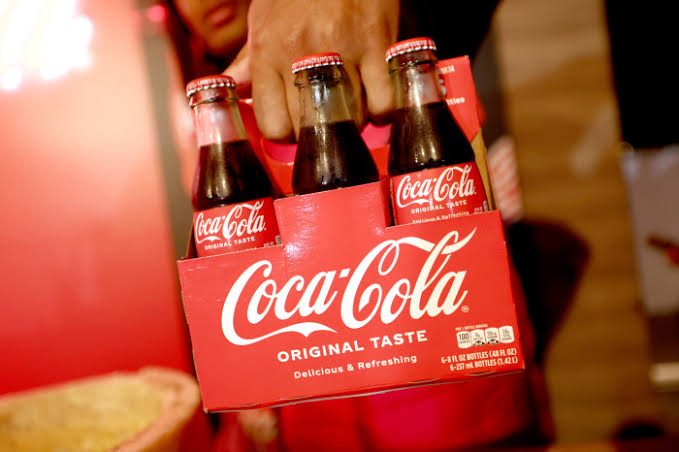
Coca-Cola bottling IPO plans are moving ahead after Coca-Cola picked JPMorgan and Citi to work on a possible share sale of its India bottling arm. A Coca-Cola bottling IPO is when the company may sell part of that business to public investors. That matters because India is one of Coca-Cola’s fastest-growing big markets.
Key takeaways
- Coca-Cola has picked JPMorgan and Citi as bankers for a possible India bottling listing.
- The likely IPO would involve Hindustan Coca-Cola Beverages, its local bottling business.
- Bottling is the part that makes, packs, and moves drinks to stores.
- India is a key market, so investors will watch growth, margins, and store reach closely.
- No final IPO size, price, or launch date has been announced yet.
What is the Coca-Cola bottling IPO about?
The reported plan centers on Hindustan Coca-Cola Beverages, often called HCCB. This is the company that bottles and distributes many Coca-Cola drinks in India. Distribution means getting products from factories to shops. So this business sits close to the real action on the ground.
Reuters reported that Coca-Cola has appointed JPMorgan and Citi as bankers for the deal, citing people familiar with the matter. Bankers help prepare an IPO. IPO means initial public offering, which is the first sale of shares to the public. You can read Reuters’ report here.
Coca-Cola has not publicly announced the offer size yet. It also has not shared a listing date. But choosing bankers is a serious early step, because it usually means planning has moved beyond loose talks.
Why would Coca-Cola list its India bottling arm?
There are a few simple reasons. First, India is huge. It has more than 1.4 billion people, and packaged drink demand can rise as incomes grow. So a listed local bottling arm could attract investors who want a direct bet on that growth.
Second, bottling needs a lot of money. Companies must build plants, buy trucks, and keep coolers running in stores. Capital expenditure is money spent on big assets. A listed company can raise money more easily for that kind of expansion.
Third, a market listing can make value easier to see. Right now, the bottling arm sits inside the wider Coca-Cola system. If it trades on the stock market, investors can judge its sales, profit, and growth more clearly.
That could also help Coca-Cola shape its India strategy. In some markets, global consumer brands keep core control but still sell a minority stake. Minority stake means a smaller ownership share. So the parent can raise cash without giving up the steering wheel.
How big is the India opportunity?
India has become one of the most watched consumer markets in the world. People are spending more on quick treats, cold drinks, and convenience items. That is why global brands keep adding factories, fridges, and retail points across the country.
Coca-Cola and PepsiCo both want deeper reach in smaller cities and villages. Reach means how many stores and buyers a company can serve. In a hot country, cold drinks can sell fast, but only if the supply chain works well.
Numbers help show the scale. India has over 600,000 villages. It also has millions of small retail outlets. Even adding one cooler to 10,000 extra stores can change sales in a big way.
Here is a simple snapshot of why the market matters:
India market signals1.4B+ people600,000+ villagesMillions of retail outletsNot to scale. Bars show broad market size signals, not exact ratios.
What does the bottling business actually do?
This is the nuts-and-bolts part of the drinks business. The bottling company makes beverages, fills bottles and cans, stores inventory, and ships products out. Inventory means goods kept ready for sale. It also works with stores, restaurants, and local sellers.
That sounds simple, but it is hard work. Bottlers deal with sugar prices, plastic costs, fuel bills, and summer demand spikes. A weak monsoon, a heatwave, or higher transport costs can all change profit quickly.
Margins are a key number here. Margin means how much profit is left after costs. Investors will want to know whether the India unit earns steady margins, especially when raw material prices move around.
What will investors want to know before a Coca-Cola bottling IPO?
The first big question is valuation. Valuation means what the market thinks the company is worth. If the price looks too high, investors may stay away. If it looks fair, demand can build fast.
The next question is growth. Investors will ask how fast the India bottling arm is adding sales volume, new stores, and profit. Volume means the amount of product sold. In beverage businesses, volume often matters as much as price.
They will also check debt, expansion plans, and competition. Debt means borrowed money. A bottler with large factory spending may carry debt, so investors will compare that with future cash flow. Cash flow is money moving in and out of the business.
| What investors may check | Why it matters |
|---|---|
| Revenue growth | Shows if drink sales are rising |
| Margins | Shows how much profit stays after costs |
| Store reach | Shows how deeply the company is spread across India |
| Debt levels | Shows how much financial pressure the business carries |
| Capex plan | Shows how much it may spend on plants and logistics |
How does this fit into the bigger India market story?
India has seen strong interest in public listings across sectors, from manufacturing to finance. That is because investors want companies tied to local growth. A consumer-facing business like beverage bottling fits that theme neatly.
This also comes at a time when investors are watching taxes and market rules closely. For example, we recently explained why the Finance Ministry says there is no plan to scrap LTCG tax on listed equities. LTCG tax is tax on long-term gains from selling assets like shares after a set holding period.
The government has also been collecting large sums from this tax. You can see that in our report on how the government earned ₹1.29 lakh crore from LTCG tax in FY26. Those rules shape how investors think about IPO gains and long-term returns.
If Coca-Cola moves ahead, the deal could become one of the more watched consumer-market offerings. It would give investors a fresh way to bet on India’s everyday spending story, much like how other sector listings help people target specific themes.
What happens next?
The next steps are usually slow and private at first. Bankers study the business, build a pitch, and test investor interest. They may also help with structure, timing, and documents needed for regulators. Regulators are official bodies that oversee markets.
In India, IPO papers typically go to SEBI, the market regulator. SEBI stands for Securities and Exchange Board of India. If a filing appears, it would give clearer details on revenue, profit, risks, and the amount of shares on sale. You can track official filings on SEBI’s website.
Until then, this is still a reported plan, not a launched offer. But the choice of JPMorgan and Citi suggests the Coca-Cola bottling IPO is not just idle chatter. It looks like a real project taking shape.
The simple answer is this: a Coca-Cola bottling IPO would let public investors buy into the company that makes and distributes Coca-Cola drinks in India, a fast-growing consumer market where store reach and summer demand can drive big sales.
Could the Coca-Cola bottling IPO affect rivals?
Yes, at least in how investors compare businesses. A listed bottling arm would create more public data on sales, costs, and expansion. That can raise pressure on rivals to show their own growth story more clearly.
It may also shine a light on India’s wider consumer supply chain. For example, costs like packaging, fuel, and retail expansion matter across many sectors. We saw a different version of that in our coverage of Reliance’s FMCG business turning EBITDA positive. EBITDA is a profit measure before some major costs.
So even if you never buy a single share, this story still matters. It tells you where big companies see demand, where money is being invested, and how India’s consumer economy is changing in real time.
FAQs
What is a Coca-Cola bottling IPO?
It is a possible stock market listing of Coca-Cola’s India bottling business. Investors could buy shares if the deal goes ahead.
Why does Coca-Cola want this IPO?
It may want to raise money, show the business’s value, and support growth in India. India is one of its most important markets.
When could the Coca-Cola bottling IPO happen?
There is no public launch date yet. First, bankers prepare the deal, and then formal filings may come later.
Get the day’s top stories in your inbox
One concise email. No spam, unsubscribe anytime.