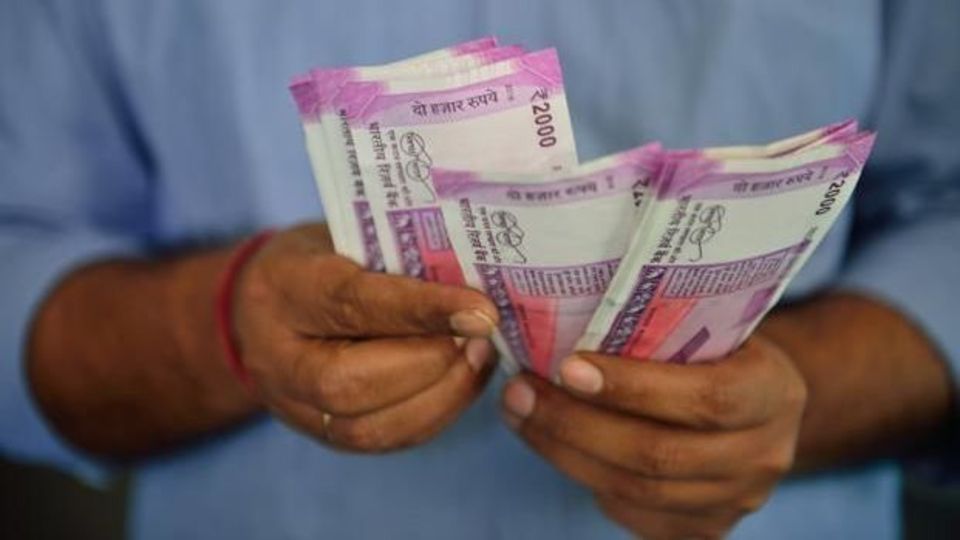
The rupee two-month low story is simple: India’s money lost value against the US dollar as crude oil climbed near $90 a barrel. A rupee two-month low means the rupee is at its weakest level in about eight weeks. That matters because India buys most of its oil from abroad, so a weaker rupee can make imports cost more.
Key takeaways
- The rupee slipped to a rupee two-month low as Brent crude moved close to $90 a barrel.
- Higher oil prices usually hurt the rupee because India imports more than 80% of its crude needs.
- Traders also watched the West Asia conflict, which raised fears of supply trouble.
- The RBI may step in to smooth sharp moves, but it does not fix oil prices.
- If oil stays high, India could face pressure on inflation, fuel costs, and the trade gap.
Why did the rupee hit a two-month low?
The big reason was oil. Brent crude, a global oil benchmark, traded near $90 a barrel. A benchmark is a widely used price marker. Since India imports a huge share of its crude, rising oil means more dollars are needed to pay overseas sellers.
That pushes up demand for dollars and weakens the rupee. The latest move came as fighting in West Asia made traders nervous. They feared oil supply could tighten, so prices rose fast.
Currency markets react quickly to risk. A currency market is where one country’s money is traded for another. When traders get worried, they often rush into the US dollar because it is seen as safer.
What does a rupee two-month low mean for India?
A rupee two-month low does not mean a crisis by itself. But it can raise costs across the economy if it lasts. Think of it like this: if your family must buy the same thing in dollars, and each dollar costs more rupees, the bill rises.
India imports about 85% of its crude oil needs. So even a small jump in oil can sting. If Brent rises from $80 to $90, that is a 12.5% increase. If the rupee also weakens, the total import bill can climb even more.
That can feed inflation. Inflation means prices in shops go up over time. Fuel costs can affect transport, food, and factory bills, so the impact often spreads beyond petrol and diesel.
How weak was the rupee, and what numbers matter?
Reports said the rupee touched its weakest level in around two months during trading on Tuesday. Oil prices were near $90 a barrel, while the dollar stayed firm. A firm dollar means it is strong against many other currencies.
Here are the key numbers traders watched:
| Indicator | Latest level | Why it matters |
|---|---|---|
| Brent crude | Near $90 a barrel | Higher oil raises India’s import bill |
| India crude import dependence | About 85% | India relies heavily on overseas oil |
| Rupee move | Weakest in about 2 months | Shows pressure from oil and risk mood |
The trade deficit can also widen. A trade deficit means a country buys more goods from the world than it sells. Costlier oil is a common reason India’s trade gap gets worse.
Key numbers behind the rupee moveBrent$90Import85%9085
Can the RBI stop the rupee from falling?
The Reserve Bank of India can calm sharp swings, but it cannot control world oil prices. The RBI is India’s central bank. A central bank manages a country’s money system and helps keep markets orderly.
It can sell dollars from its foreign exchange reserves. Foreign exchange reserves are savings kept in foreign currencies, mostly dollars. That step can slow a sudden fall in the rupee because it adds dollars to the market.
Still, intervention has limits. If oil stays high for weeks, pressure can return. We saw similar concern in our earlier coverage of RBI intervention and the rupee near a record low and in our report on the rupee’s early drop to 96.42.
Why is West Asia conflict moving oil so much?
Oil traders care about supply routes. West Asia is a major oil-producing region, so any conflict there can raise fears about exports, shipping, or insurance costs. Even if actual supply does not fall at once, fear alone can lift prices.
That is what markets seemed to price in here. Oil was not just a number on a screen. It became a risk signal, and that pushed the rupee two-month low theme to the front of the market.
For daily oil price moves, traders often track the US Energy Information Administration and Brent futures data from ICE. These are primary market sources. They show how fast energy prices can change.
What should families, travellers, and investors watch next?
First, watch oil. If Brent falls back below $85, some pressure on the rupee could ease. But if it stays near $90 or climbs above it, the rupee two-month low could turn into a longer weak patch.
Second, keep an eye on inflation data. If transport and fuel costs rise, prices for other things may follow. That could make the RBI’s job harder because it tries to support growth while keeping prices stable.
Third, watch bond yields and dollar moves. Bond yields are the returns investors get from bonds, which are loans to governments or companies. We explained that link in our story on the India 10-year bond yield and oil risk.
Here is the plain answer readers can quote:
The rupee fell to a two-month low mainly because oil neared $90 a barrel, and India needs a lot of dollars to import crude. If oil stays high, the rupee can stay under pressure, and that can raise costs across the economy.
That does not mean every price jumps tomorrow. Markets move in waves. But the mix of high oil, a strong dollar, and war risk is one that India watches very closely.
How long could the rupee two-month low pressure last?
It depends on three things: oil, the dollar, and RBI action. If the conflict cools and oil drops, the rupee may recover some ground. If tension grows, traders may keep buying dollars.
Foreign investors matter too. Foreign investors are people or funds from other countries who buy Indian stocks and bonds. If they pull money out, the rupee can weaken more because they often need dollars to leave.
FAQs
Why does oil affect the rupee?
India buys most of its crude from abroad. So when oil gets costlier, India needs more dollars, and that can weaken the rupee.
What is a rupee two-month low?
It means the rupee has fallen to its weakest level in about two months against the US dollar.
Will petrol and diesel prices rise now?
Not always right away. But if oil stays high and the rupee stays weak, fuel prices can face upward pressure over time.
Get the day’s top stories in your inbox
One concise email. No spam, unsubscribe anytime.