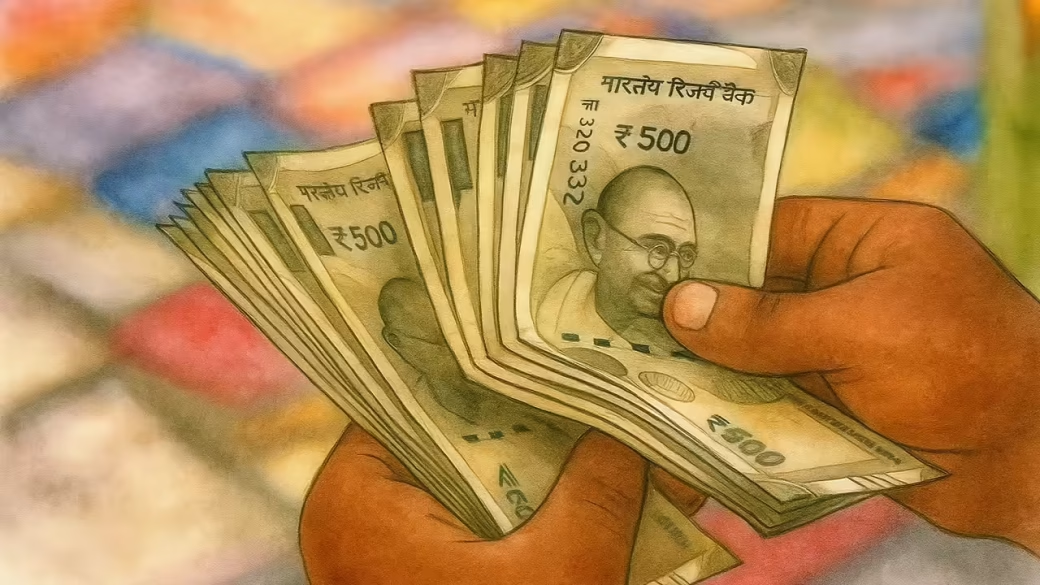
Rupee falls was the big market move early today, with India’s currency slipping 12 paise to 96.42 against the US dollar. Rupee falls means the rupee lost value, so it now takes more rupees to buy one dollar. That matters because India buys many goods, especially oil, in dollars. It can make imports costlier very fast.
Key takeaways
- The rupee slipped 12 paise in early trade to 96.42 per US dollar.
- A weaker rupee often raises India’s import bill, especially for crude oil.
- Traders watched dollar demand, oil prices, and global risk mood.
- If the rupee stays weak, fuel and other imported items can get costlier.
Why did rupee falls show up again today?
The rupee opened under pressure because traders wanted dollars. In currency markets, demand matters a lot. If more people or firms buy dollars than rupees, the local currency weakens.
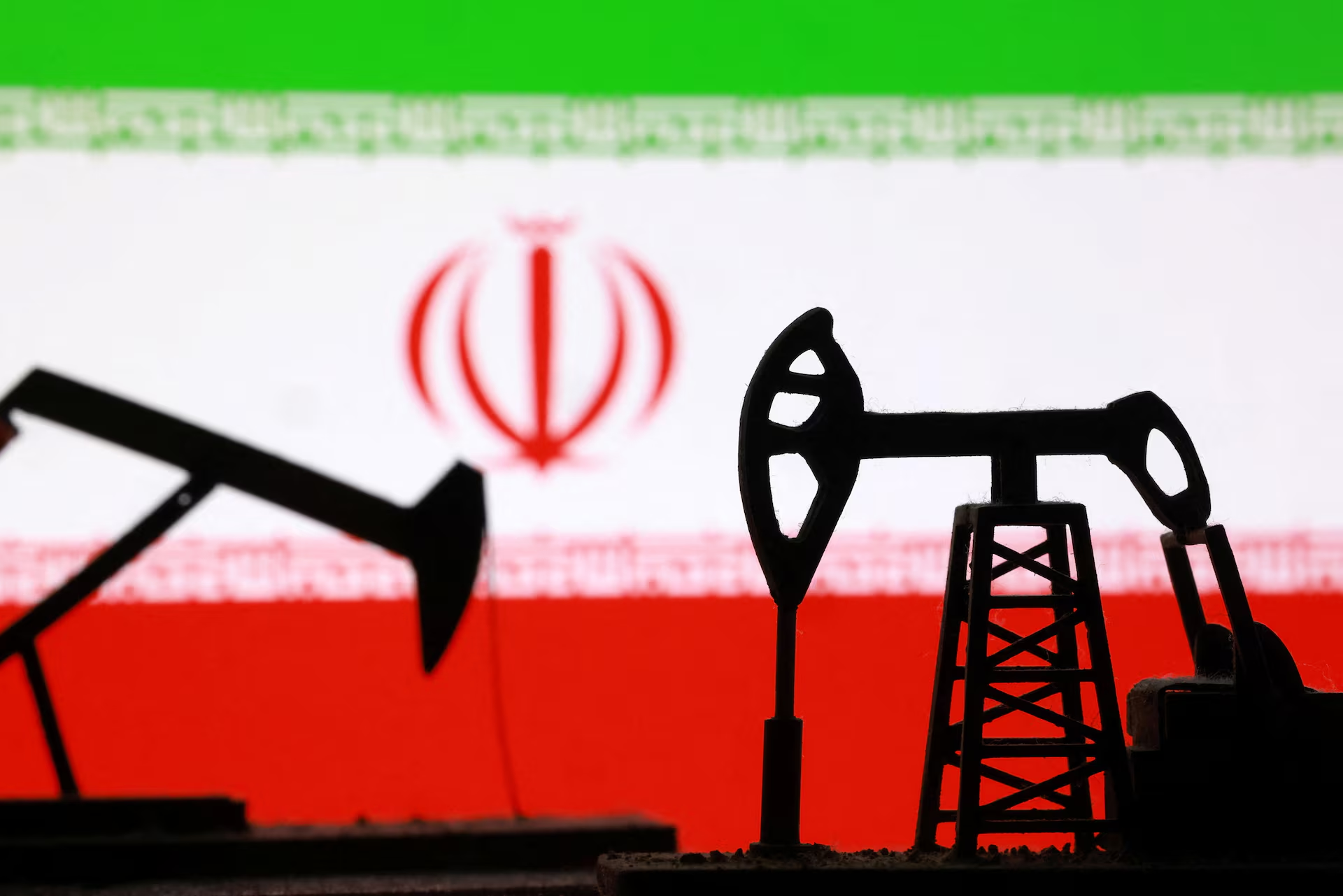
Oil worries also played a part. India imports most of its crude, so a weaker rupee hurts more when oil is expensive. We’ve already seen how energy fears can move markets in stories like Brent oil price jumps past $90.
Another reason is global mood. When investors feel nervous, they often rush to the US dollar. That’s because the dollar is seen as a safer place to park money during stress.
The move was 12 paise, from the previous close to 96.42. A paise is one-hundredth of a rupee. That may sound tiny, but in giant trade deals, even a small move can change costs by crores of rupees.
What does rupee falls mean for regular people?
Most people do not trade currencies. But they still feel the effect. If the rupee stays weak, imports get costlier, and companies may pass some of that cost to buyers.
Think about fuel first. India buys crude oil in dollars, so a weak rupee can raise the final bill. Then transport costs can go up, and that can affect food, flights, and online deliveries too.
Students and tourists also watch this closely. If you pay college fees abroad, a weaker rupee means your family needs more money. The same goes for hotel bills, shopping, and travel cards overseas.
Companies with big foreign loans can feel pain as well. A foreign loan is money borrowed in another currency. If the rupee weakens, paying that loan back becomes harder in rupee terms.
How big is this move compared with other market signals?
One early trade move does not decide the whole week. Still, it gives a clue about market nerves. Traders look at three things together: the dollar index, crude oil, and foreign fund flows.
Foreign fund flows are money moving in or out of Indian stocks and bonds. If overseas investors pull money out, they often sell rupees and buy dollars. That can push the currency lower.
Here is a quick look at the key numbers from the morning move:
| Indicator | Latest | Why it matters |
|---|---|---|
| Rupee vs dollar | 96.42 | Shows how many rupees buy 1 US dollar |
| Early move | -12 paise | Signals fresh weakness at the open |
| 1 rupee | 100 paise | Helps explain the size of the move |
The chart below shows the simple shift from the prior close to early trade. It is small on paper, but big enough for markets to notice.
Rupee vs US dollar: early trade movePrevious closeEarly trade96.3096.42Down 12 paise
Could the RBI step in if rupee falls more?
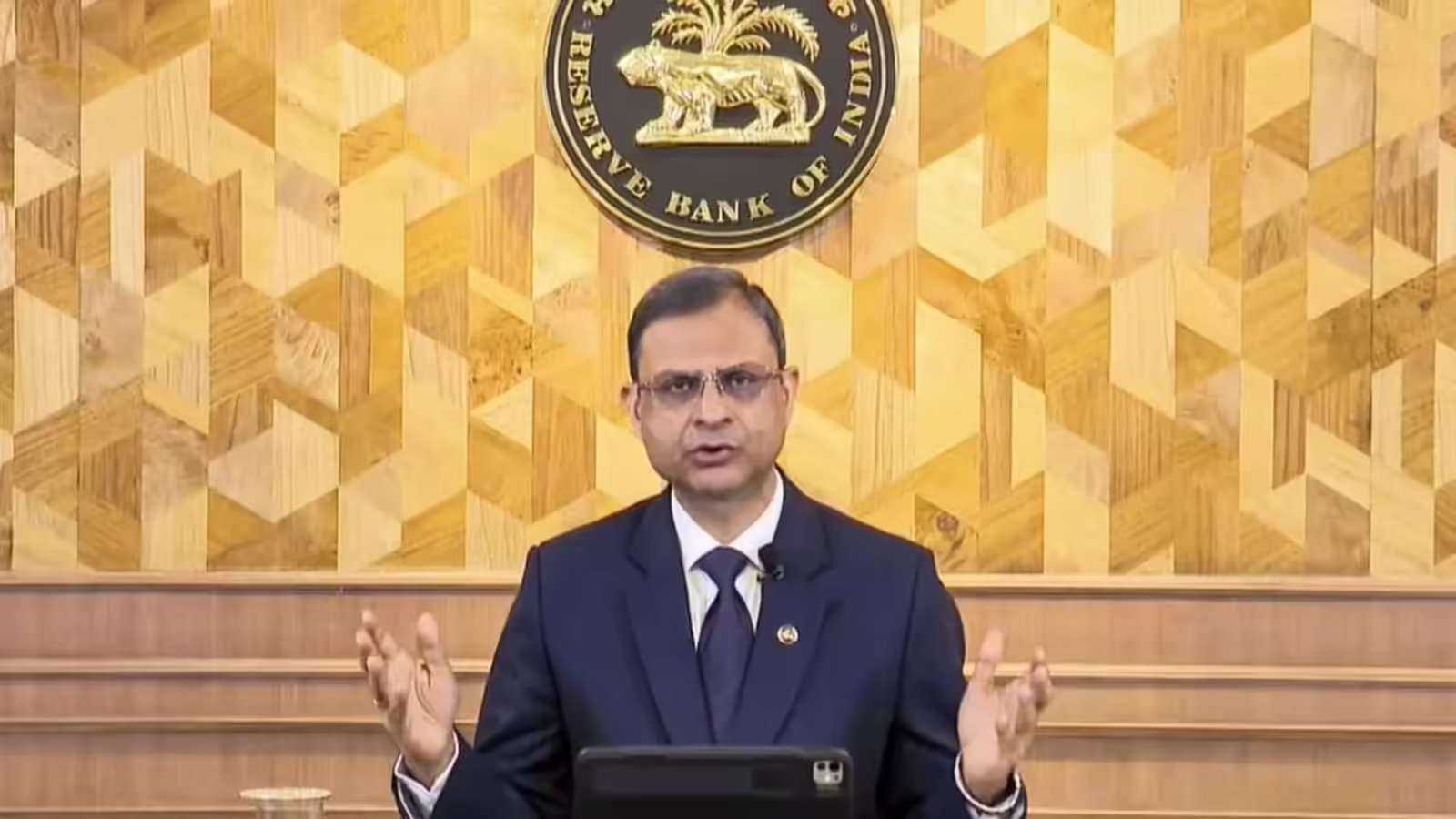
The Reserve Bank of India, or RBI, often watches sharp currency moves closely. The RBI is India’s central bank. It can step into the market by selling dollars, so the rupee does not swing too wildly.
That does not mean the RBI tries to fix one exact price. Usually, it aims to smooth sudden jumps. We explained that idea in our earlier report on RBI intervention: Why the rupee is near a record low.
Markets also care about India’s foreign exchange reserves. Reserves are the country’s stockpile of foreign currencies and assets. They give the RBI firepower if it wants to calm the market.
Banks are under tighter checks in some areas too, which can support cleaner market records. For related context, see RBI Directs Banks to Verify Trade Records Against Client Documentation.
What should investors and businesses watch next if rupee falls?
First, watch oil. If crude rises by a few dollars a barrel while the rupee stays weak, India’s import pain grows. That can affect inflation, which means the general rise in prices over time.
Second, watch the dollar itself. If US yields rise, the greenback often gets stronger. Yields are the returns investors earn on bonds. Higher US yields can pull money away from emerging markets like India.
Third, keep an eye on import-heavy sectors. Airlines, paint makers, electronics firms, and oil marketing companies can feel pressure. A few exporters may benefit, though, because they earn dollars and convert them into more rupees.
There is another angle too. If imported inflation climbs, the RBI may have less room to cut rates quickly. That matters for loans, savings, and stock market hopes.
A falling rupee does not just move a chart. It can raise India’s import bill, squeeze companies that pay in dollars, and slowly lift prices for families if the weakness lasts.
How does this fit into the bigger India story?
India’s economy is still growing faster than many big countries. But growth does not shield the rupee from every shock. Oil, geopolitics, and global money flows can still push the currency around.
That is why one morning move gets attention. It links the world economy to daily life in India. For official currency reference data, readers can check the Reserve Bank of India and forex market details from the Clearing Corporation of India.
So yes, rupee falls is more than a trader headline. It is a simple sign that global pressure is meeting India’s import needs. And if rupee falls again in coming sessions, markets will ask whether oil, capital flows, or policy action is driving the next leg.
FAQs
Why did the rupee fall to 96.42?
The rupee weakened because traders bought dollars, while oil worries and global risk fears weighed on sentiment.
What does a weaker rupee mean?
It means you need more rupees to buy one US dollar. That can make imports like oil, gadgets, and foreign travel costlier.
Who benefits when rupee falls?
Some exporters can benefit because they earn dollars. When they convert those dollars, they may get more rupees.
Get the day’s top stories in your inbox
One concise email. No spam, unsubscribe anytime.